Change ONLYOFFICE Workspace’s Default Storage Location
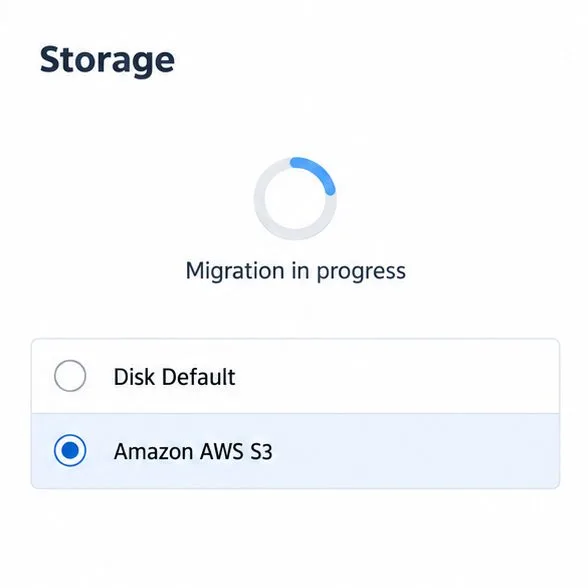
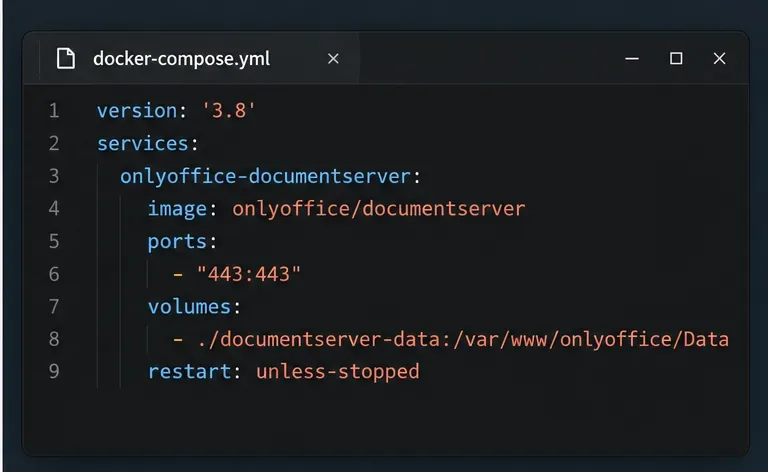
Move portal data from Disk Default to a supported cloud storage provider, or relocate Docker data safely by changing its host volume mapping.
For users of Google Drive in particular or other online storage services , the protection of their data is extremely important. The following article will introduce you to an extremely effective tip to do this without the need for software or settings that are too sublime.
Disguised as Google Drive data can be understood that we will use the image, the format of another file to cover the original file to be protected. However, this way can cause a lot of trouble if you "disguise" too much and do not remember which file is the file to use.
Google Drive for iOS Google Drive for Android
Step 1: You access the homepage of Google Drive and then log into your Drive account.
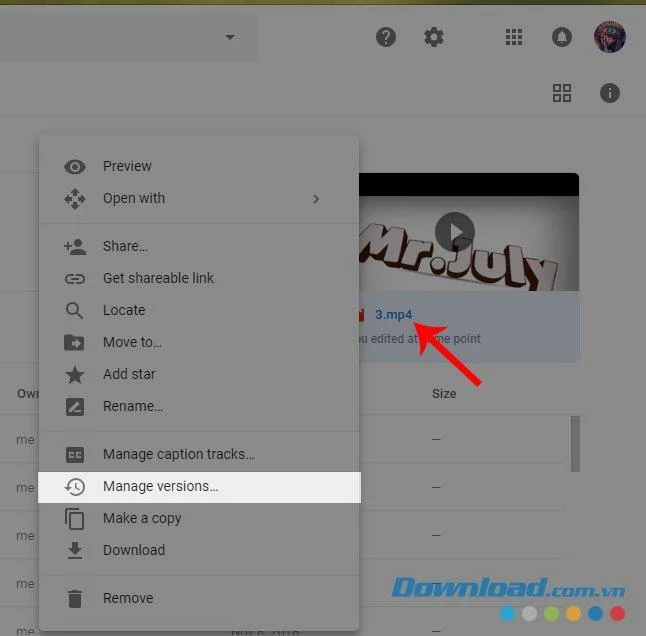
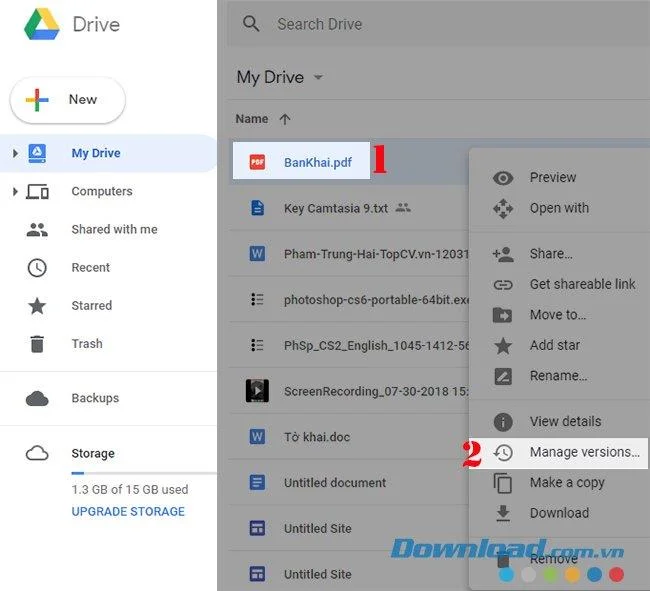
Step 2 : At the main interface of this online storage service, navigate to the location or file that needs to be hidden. Then right-click on the file and select Manage versions - Manage versions .
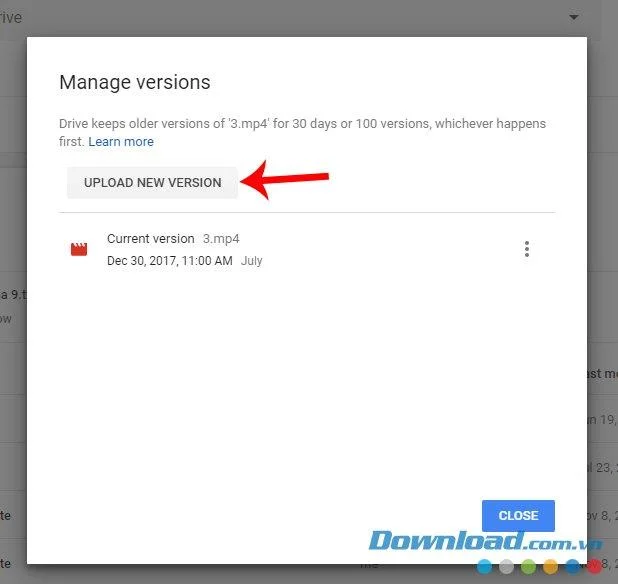
Step 3 : New interface appears, left click on Upload new version - Upload the new version .
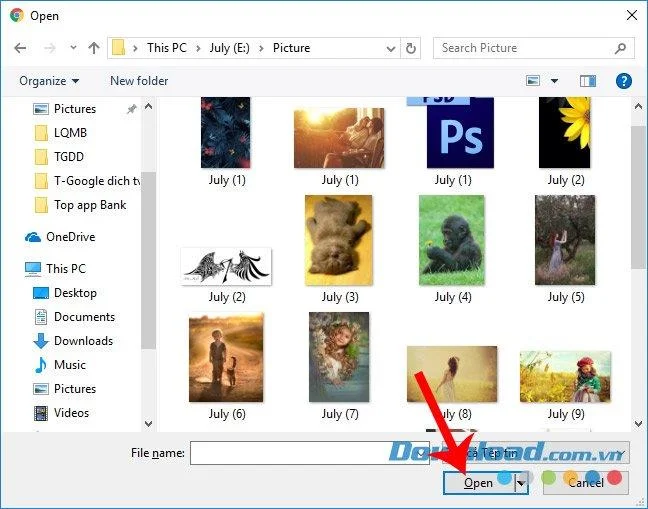
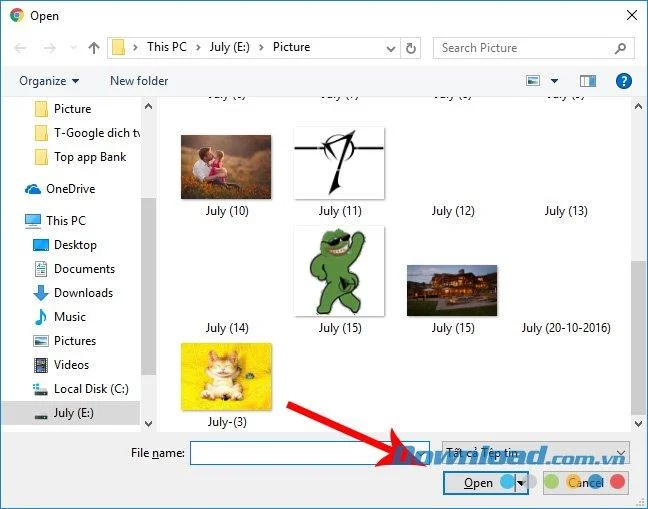
Step 4 : This is when we will select a new file to hide, hide the true image of the original file, select then click Open.
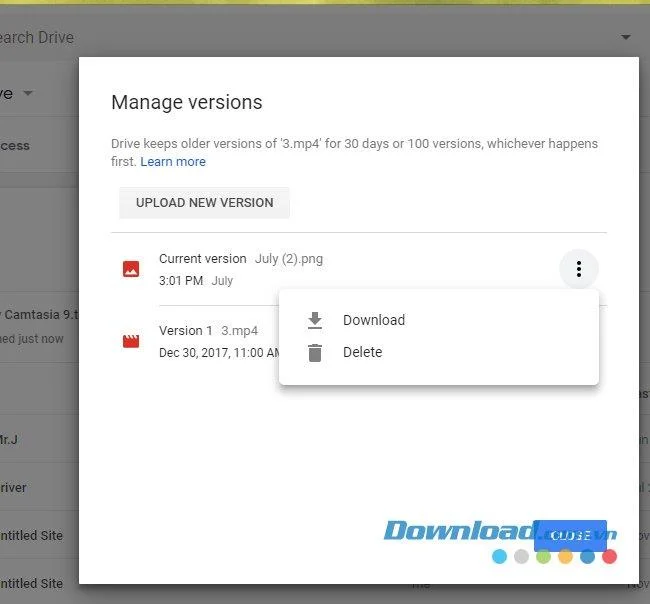
After the new file has been uploaded successfully, the Manage versions interface will automatically change, specifically:
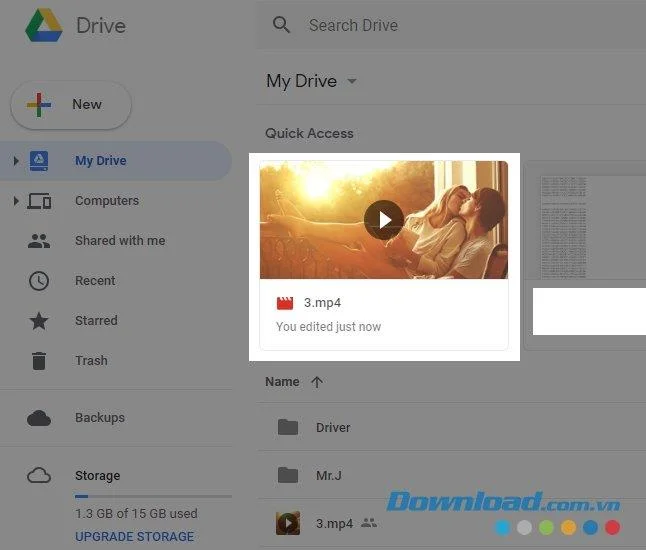
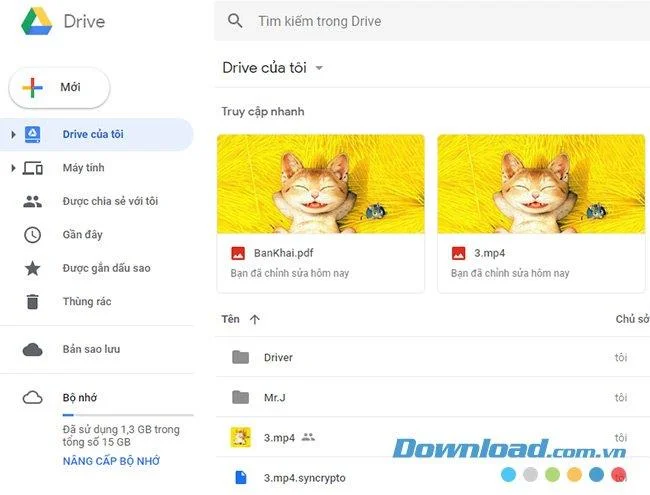
Back to the main interface of your Google Drive account, you will see the file we selected first has now been replaced with a new image.
We can do this with many different file formats, from videos, photos, music to text files ...
Another interesting thing about this approach is that the original file and the file used as the cover are not required to have the same format or size.
You can even use the same image for different types of files. As in this example, the writer uses an image file ( * .jpg format ) to replace the default display image of the video file ( * .mp4 format ) and text file in PDF format .
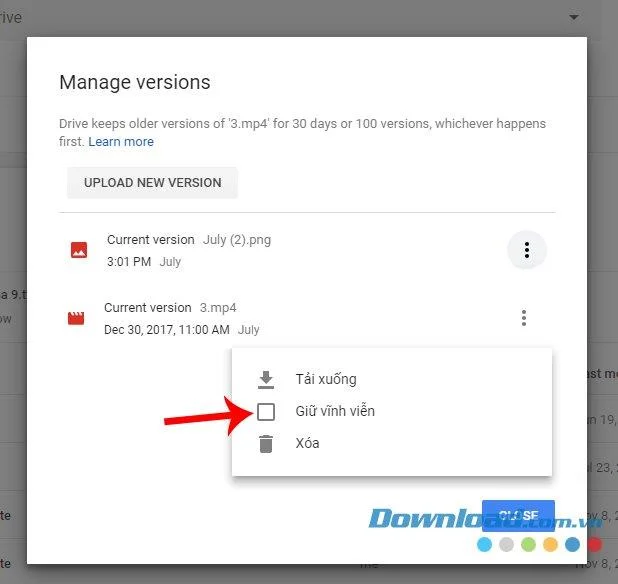
Normally, Google will only support us to keep the original file hidden for about 30 days or 100 times to replace the disguised file. But we can change this by opening the Manage versions dialog, selecting the 3-dot icon corresponding to the original file and ticking the box Keep forever - Keep it permanent .
Using another file to hide the original file on Google Drive is an interesting and extremely handy feature that we need to know if we want to use Google Drive more effectively.
Move portal data from Disk Default to a supported cloud storage provider, or relocate Docker data safely by changing its host volume mapping.
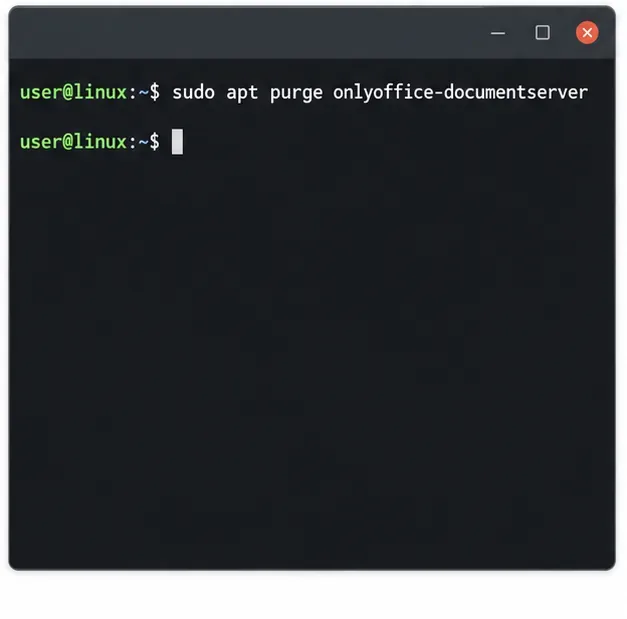
Identify whether Document Server uses a Linux package or Docker, remove only its components, and check remaining data without deleting shared services by mistake.
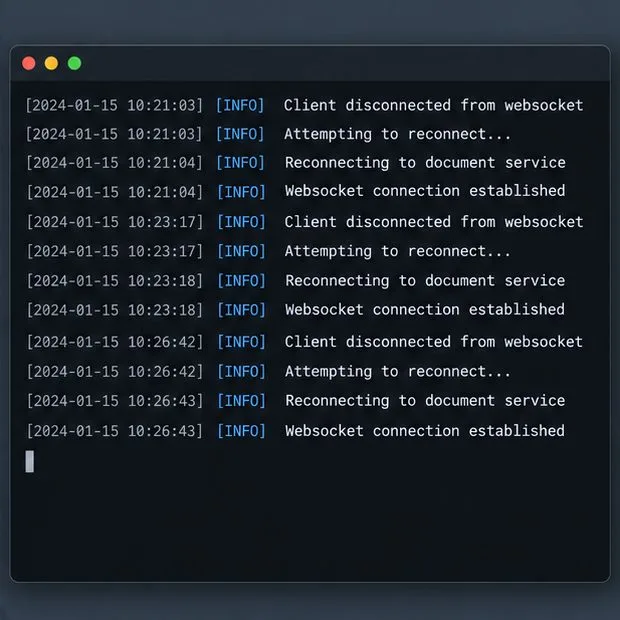
Trace slow collaborative editing to Docker resource pressure, proxy connections, or document load, then choose the fix that matches your measurements.
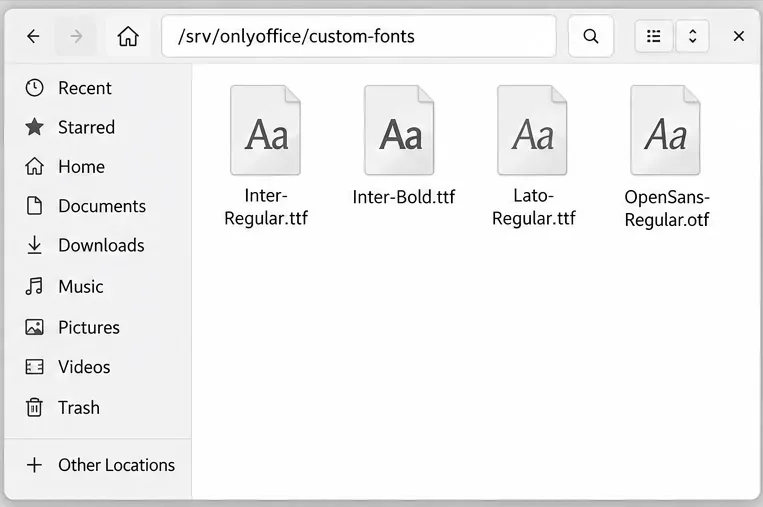
Install custom fonts in ONLYOFFICE Document Server, compare persistent Docker mounts with direct copies, rebuild the font list, and verify the result.
Choose where TLS should terminate, mount a trusted certificate and private key safely, and verify HTTPS access to a Dockerized ONLYOFFICE Docs server.
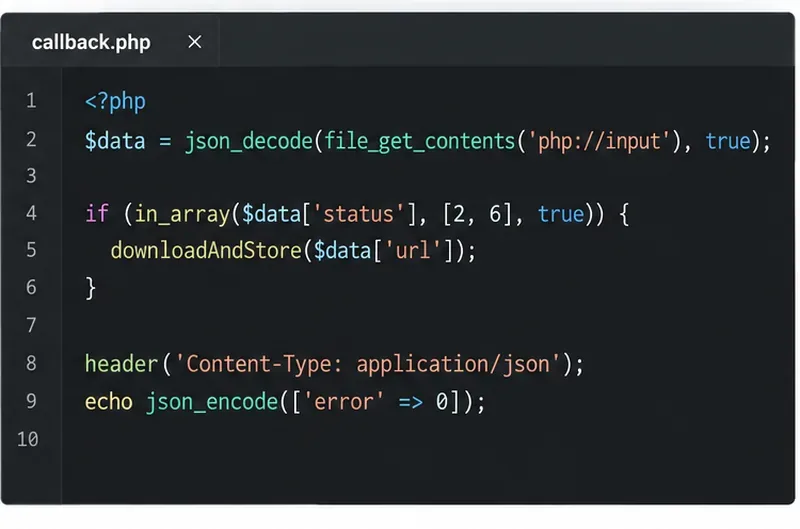
Embed the ONLYOFFICE editor in your PHP app, sign its configuration with JWT, and save edited files through a secure callback.
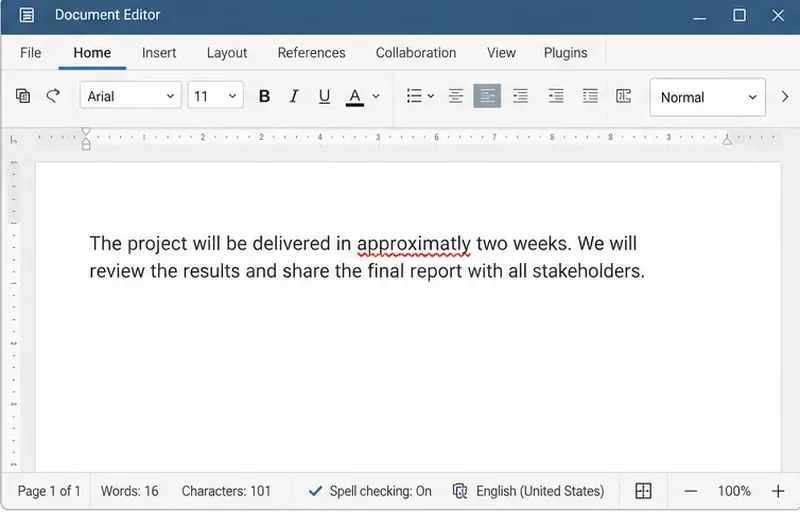
Set the proofing language for the whole document or selected text, confirm spell checking is active, and identify when a server dictionary is missing.
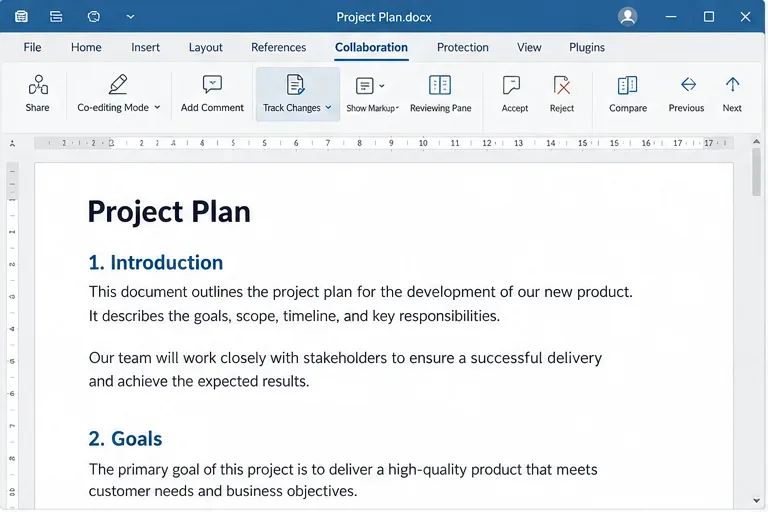
Enable persistent Track Changes for everyone in one ONLYOFFICE document, verify edits are recorded, and understand the limits of this setting.
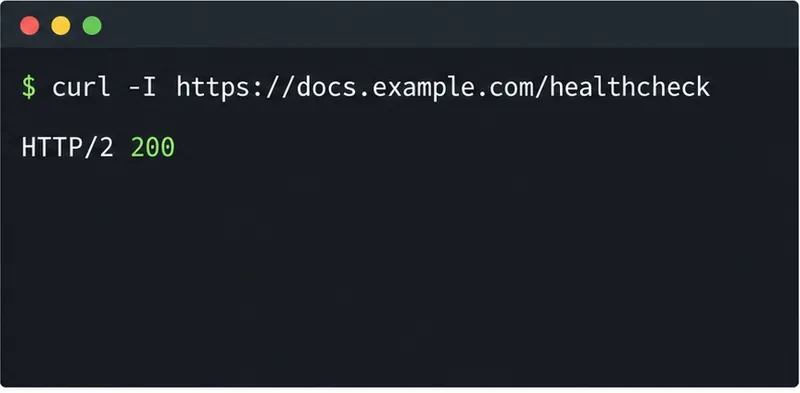
Find whether Nginx, Docker networking, or an internal ONLYOFFICE service is returning 502, then verify the corrected upstream and health check.
Diagnose failed ONLYOFFICE saves by checking the Nextcloud callback route, proxy redirects, and storage logs, then verify the edited file persists.