There are two main ways to create bootable media for your Windows 11 installation: Use Microsoft's Media Creation Tool or burn the ISO yourself to removable media.
Create Windows 11 bootable USB using Windows Media Creation Tool
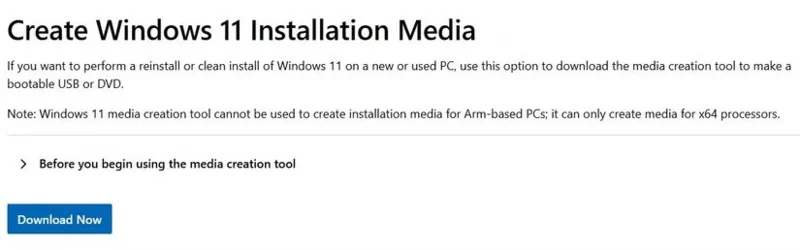
The Windows 11 Media Creation Tool is a free download from Microsoft. It's the easiest way to do a clean install of Windows 11 using a USB flash drive.
Windows11 MCT Download Page
Warning : A USB drive of at least 8GB in size will work. This will wipe the contents of the USB, so make sure to back up any data you want to keep first.
Here's how to use the Media Creation Tool to create a Windows 11 bootable USB:
Select your language and version. The recommended default settings work fine. Click Next .
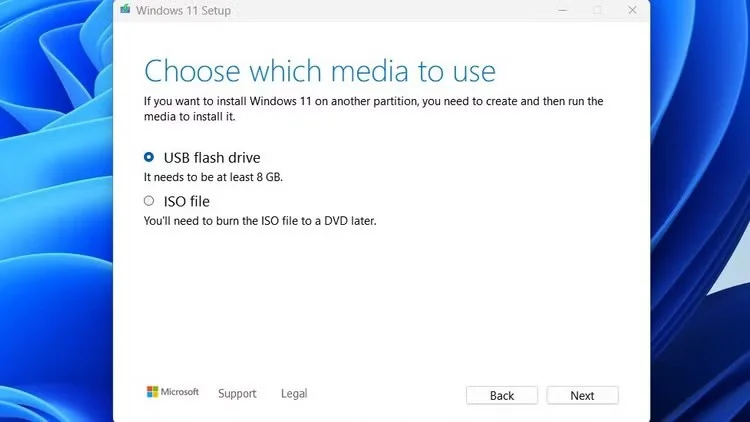
Plug the USB into your PC. In the tool, select USB. Click Next .
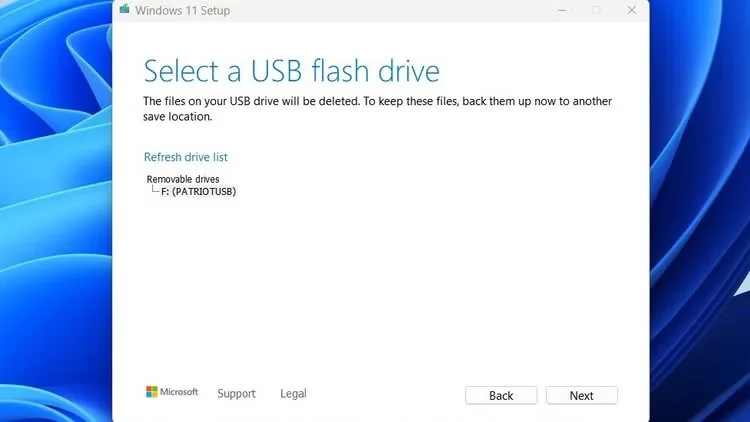
Select your USB from the list that appears. Click Next . (If your USB is not in the list, click Refresh drive list . If it still does not appear, you may need to format the USB first. When formatting, select FAT32 for the USB's file system.)
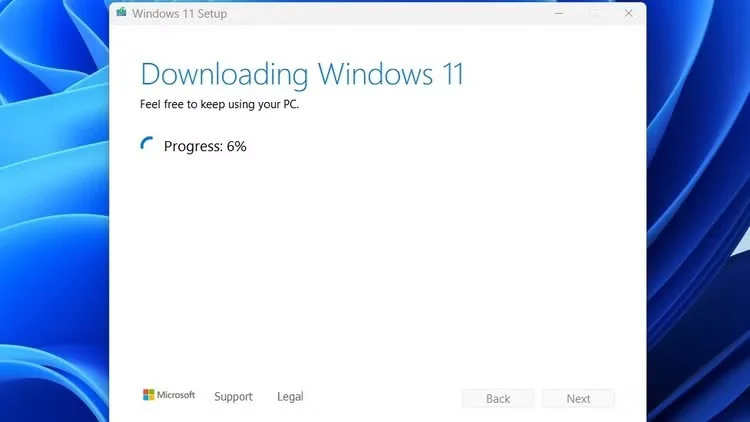
The tool will start downloading and writing the files to the USB. When finished, press Finish .
Create Windows 11 bootable DVD/USB using ISO image
If the above method doesn't work, you can do it the old-fashioned way: Manually burn the Windows ISO to removable media like a DVD or USB drive.
Download Windows 11 ISO
Any file with the .iso extension is an exact copy of a disc. It's a virtual copy of the CD or DVD, with the same file structure and the same data. An ISO copy is called an "image" of the original.
Here's how to get the Windows 11 ISO and put it on a bootable DVD or USB:
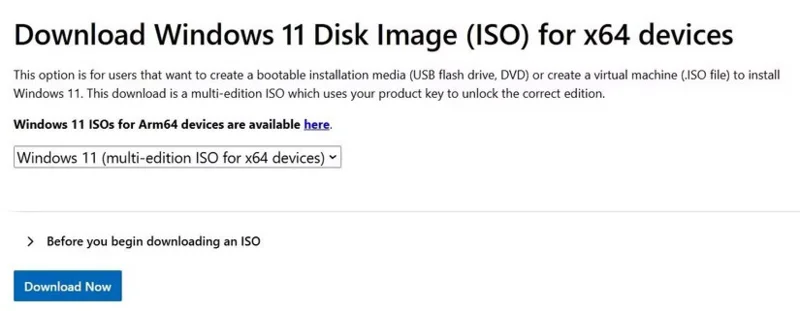
Go to the download page, scroll down to Download Windows 11 Disk Image (ISO) , select the version from the drop-down list and click Download Now .
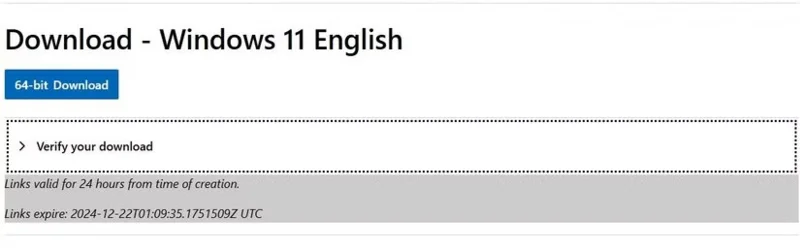
When the language drop-down box appears, select the language you want. Click Confirm . Click the 64-bit Download button . The ISO will begin downloading to your PC.
Use specialized software to burn the ISO image to removable media. Go to the separate sections below for instructions, depending on whether you're putting the image on a DVD or USB drive.
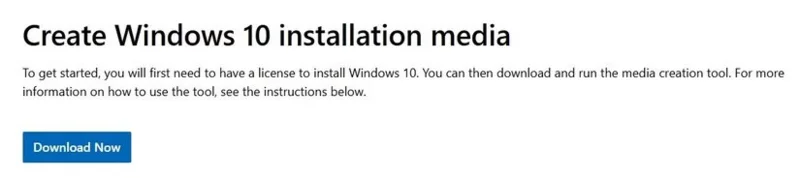
Download the Windows 10 ISO file to your computer to create it manually.
The second and third options allow us to put the Windows installation media into the boot media. The article will briefly present the steps for each method.
Create Windows 10 bootable USB using Windows Media Creation Tool
Warning : For 32-bit Windows installations, a 4GB USB is the minimum size that will work. For 64-bit, you'll need at least 8GB. This process will erase the contents of your USB, so be sure to back up any data you want to keep first.
Here's how to use the Media Creation Tool to create a Windows 10 installation bootable USB:
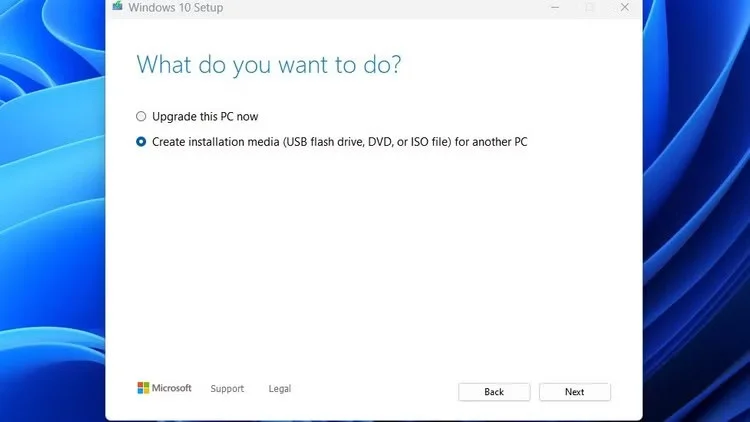
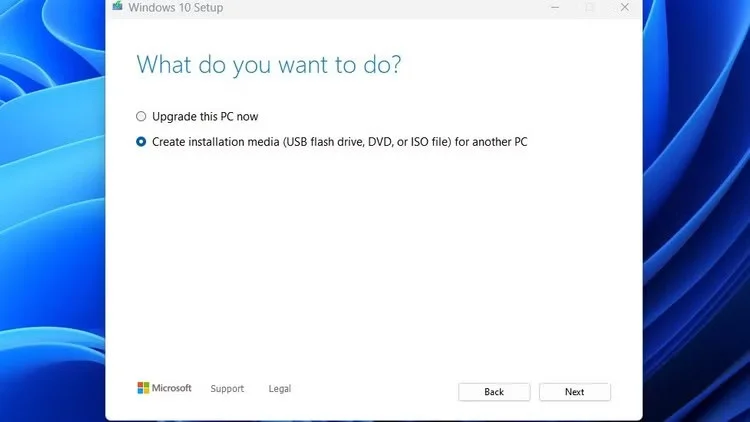
Select Create installation media for another PC . Click Next .
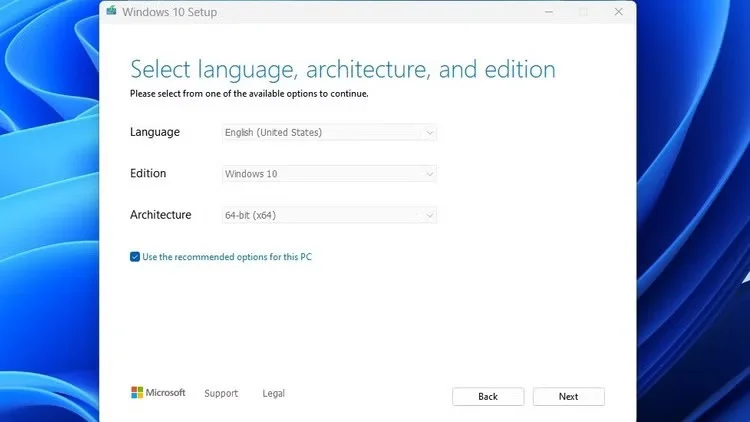
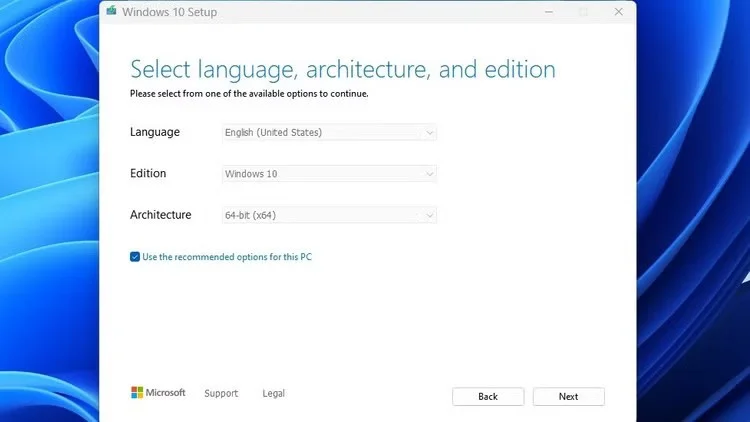
Select your language and version. The recommended defaults work fine. Click Next .
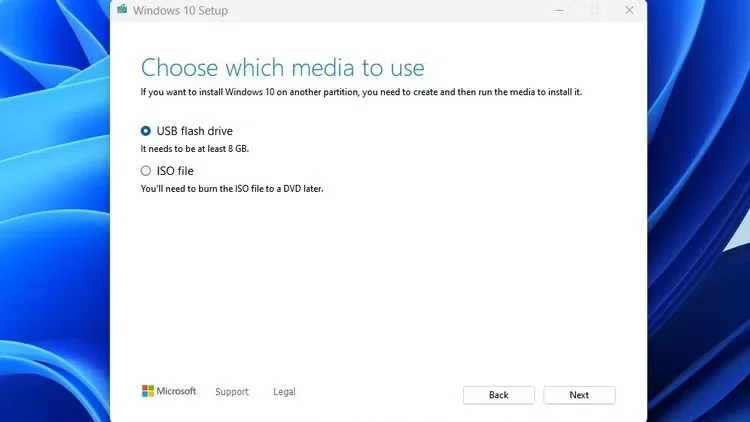
Plug the USB flash drive into your PC. In the tool, select USB flash drive . Click Next .
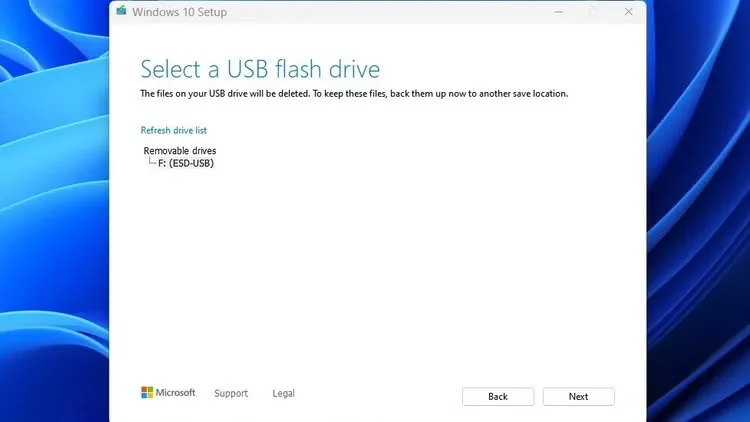
Select your USB from the list that appears. Click Next . (If your USB is not listed, click Refresh drive list . If it still does not appear, you may need to format the USB first. When formatting, select FAT32 for the USB's file system.)
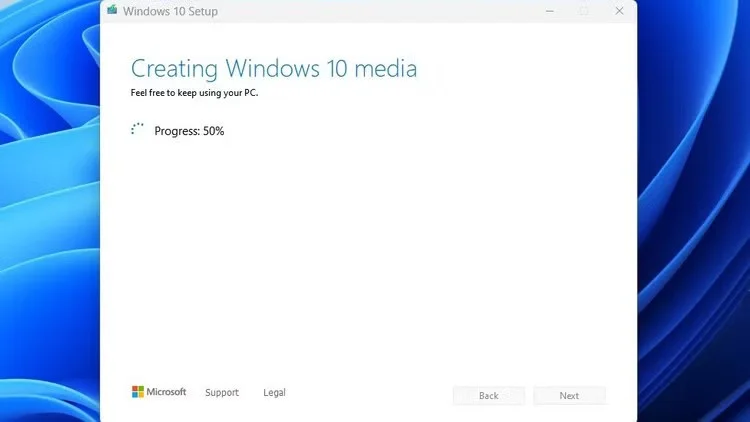
The tool will start downloading and writing the file to your USB. When finished, press Finish .
Create Windows 10 bootable DVD/USB using ISO image
If the above method doesn't work, you can manually download the Windows 10 ISO and burn it to a DVD or USB drive. This method also uses the Windows 10 Media Creation Tool mentioned above.
Here's how to use the Media Creation Tool to get the Windows 10 ISO and put it on a bootable DVD or USB:
Select Create installation media for another PC . Click Next .
Select your language and version. The suggested default options work fine. Click Next .
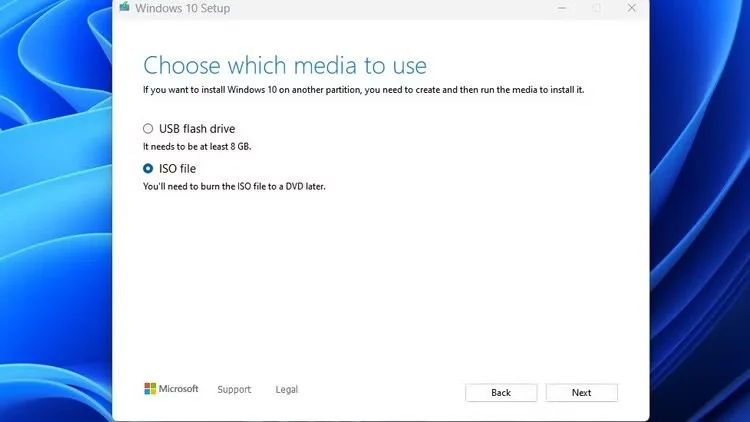
Select the ISO file. Click Next . When prompted, choose where to save the file to your drive.
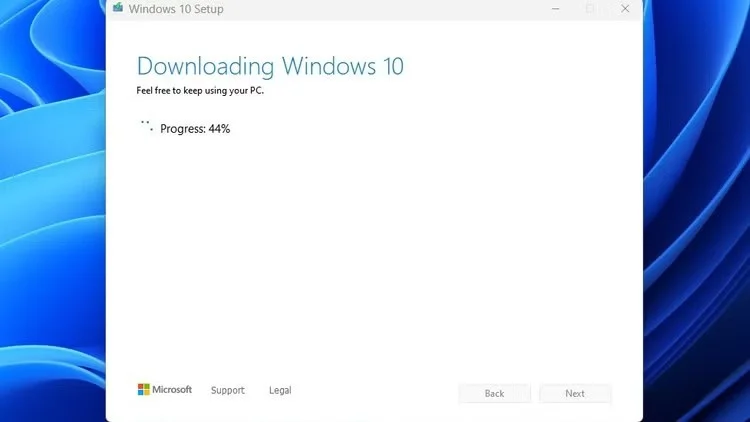
The tool will start downloading the ISO file and update you on its progress. When it's done, click Finish .
Use specialized software to burn the ISO image to removable media. Go to the separate sections below for instructions, depending on whether you're saving to a DVD or a USB drive.
How to burn Windows ISO to DVD
Warning : Many DVDs do not have enough storage space to be used as Windows installation media. You must use a DVD that matches the Windows ISO file you downloaded. That's why we recommend using a USB drive instead.
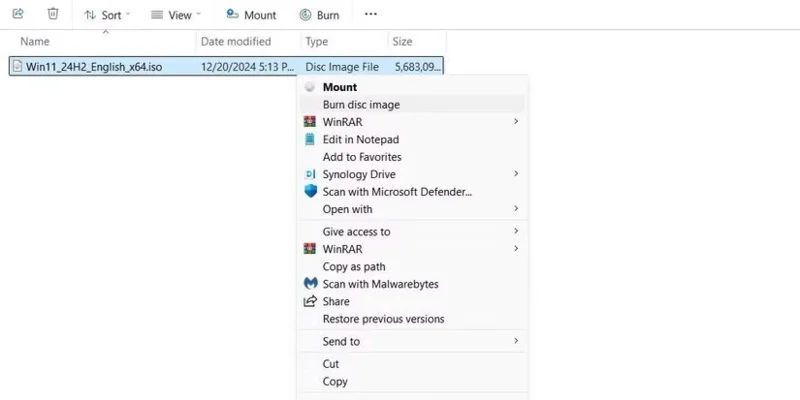
To burn a Windows ISO to a DVD, you can use Windows' native ISO burner. Right-click the ISO file you downloaded and select Burn disc image .
Burn Windows disk image to DVD
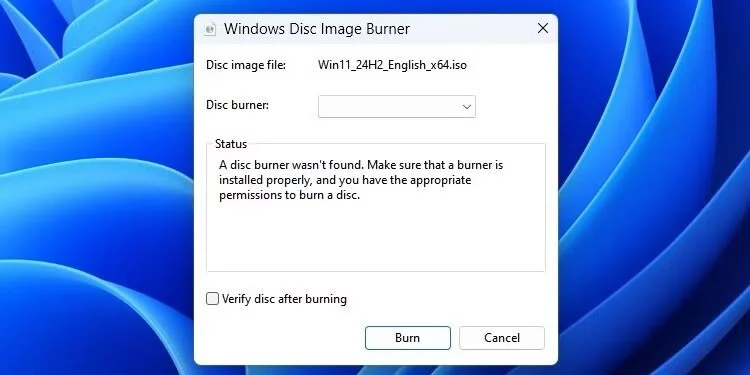
This will open the native burner. It couldn't be simpler to use - just import your DVD and hit burn!
Windows disc burning tool
Additionally, there are a number of programs that can burn ISOs to DVDs and make them bootable. One of the best ways to burn CDs and DVDs on Windows is to use BurnAware, which offers a free version for home use.
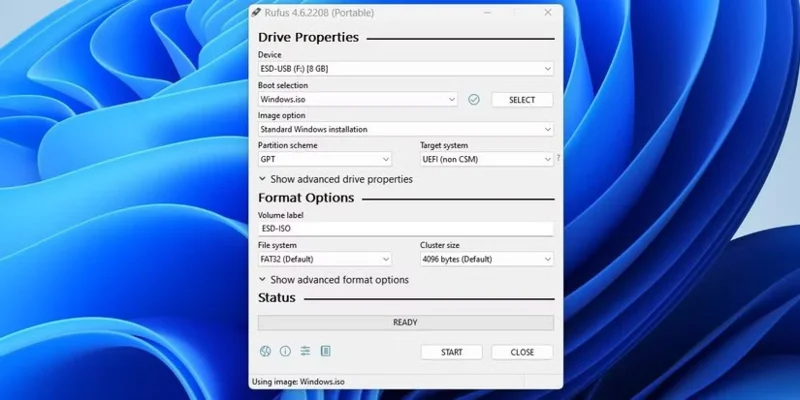
Rufus gives you the option to use the GPT file system for UEFI systems and MBR for BIOS systems. The program can detect the system you have; if you don't know what type of system you have, let Rufus choose for you!
Also, if Rufus doesn't work for you, there are many alternative tools for creating bootable USBs that you can try. Rufus only works on Windows.
When you buy Windows, you get a 25-character product key or digital license. You can still install Windows without one of these keys, but you won't be able to activate the key.
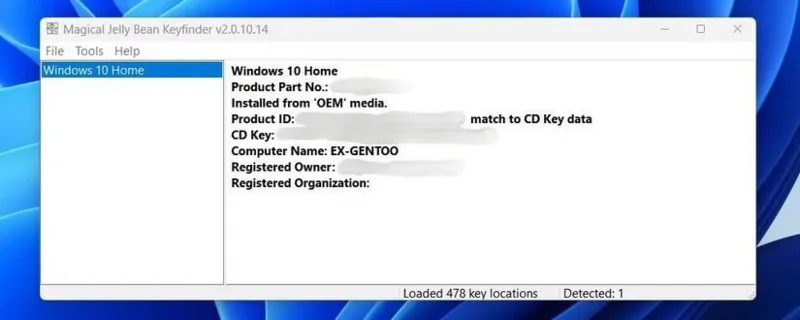
If you lose your product key, there are several ways to find it. Magical Jelly Bean KeyFinder has a free version that will display your CD key.
Magical Jelly Bean KeyFinder
Additionally, you can follow Quantrimang.com's guide for other ways to find your Windows 11 or 10 product key.
Now you have a bootable version of Windows on a USB or DVD. To use it, you will need to change your PC's boot order to boot from the selected drive. This will launch the Windows Installation Wizard and then you can install Windows.