With a developed society and an enhanced life, the demand for water heaters in daily activities is increasing, so it is obvious that families (especially families in big cities) own water heaters. . However, in the process of using water heaters, there is a situation where the water supply is not enough to meet demand, the water pressure is weak. To resolve this, you must install a booster pump on the water heater. The following article of WebTech360 will guide how to install booster pump for water heater.
How to install booster pump for water heater
Step 1: You proceed to connect the pump pipe to the water tank at home, before connecting, check carefully the size of the pump head and the pipe to match.
Step 2: You then connect the pump outlet to the plumbing pipe.
Step 3: Next, you should ban the power to the pump and start it up.
Step 4: When the machine is in operation, you must monitor and check the operation of the pump, to see if the machine is operating well, open the valve to see if the water is flowing well.
Step 5: You need to install the pump in a firm position, on a flat surface to help it operate smoothly and without shaking.
Remember: You must make sure the water tank always has enough water to supply the machine so as not to cause the machine to overheat resulting in pump fire and optimal energy savings for your family.
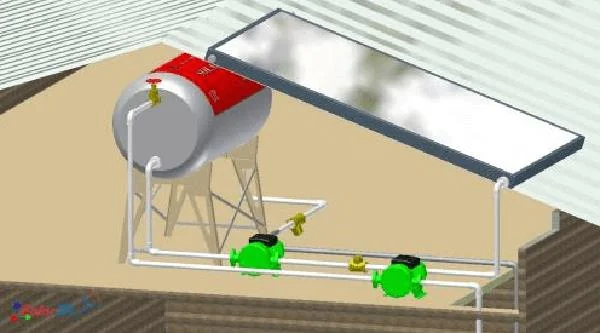
Booster pump system for hot and cold bottles
In what cases do I need a booster pump for the water heater?
The water heater you are using often happens when the water is running out too weak, not enough, not hot enough that you want, making the bathing and washing activities interrupted, taking too long, causing discomfort. . Then you should buy a booster pump for your own use for the water heater.
Depending on the actual needs, you choose a booster pump with a large or small capacity, to reduce electricity consumption and not make noise affecting family members.

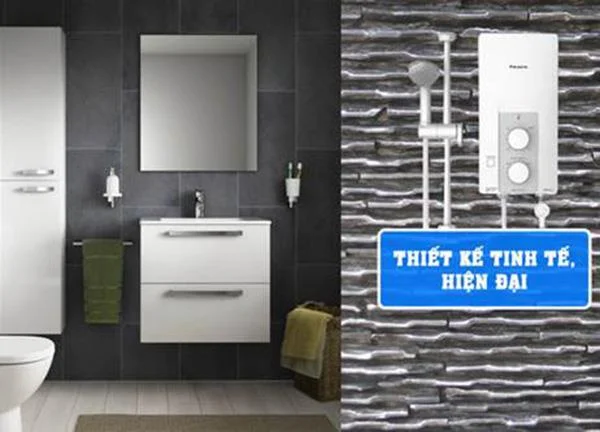
Install the Dh-3rl2vh water heater if your water pressure is weak
What is a booster pump?
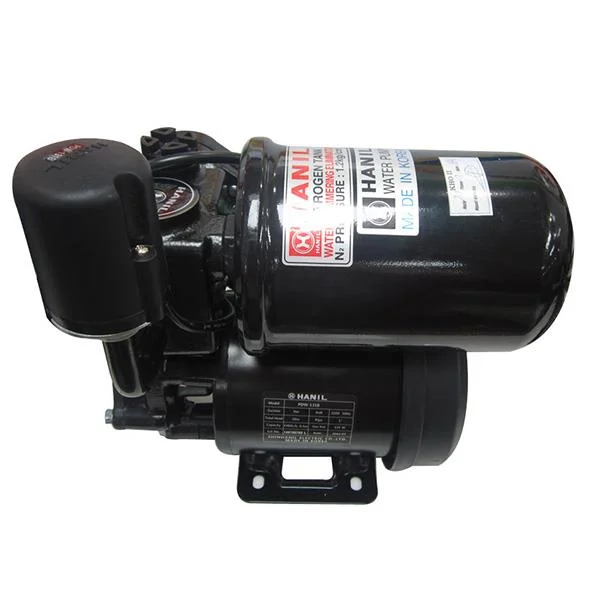
The booster pump is a pressure support device to help the water flow more strongly, minimizing the phenomenon of water flowing from the valve being weak. There are two types of machines in this series: normal (mechanical) - using relays to disconnect electricity and increasing electronic pressure - using electronic circuits to disconnect electricity.
When you use an automatic booster pump, simply open the water valve and the pump will automatically turn on and create a stronger pressure to push the water out to meet all your needs. If you close the water valve, the pump will automatically shut down.

Depending on your needs, choose the most suitable pump
Notes when choosing to buy booster pumps
Choose a machine with high head / push parameters suitable for the height of your house.
Based on the number of family members, and the need to use water during the day to choose the booster pump with the most appropriate flow parameter. The volume of each tank will also influence your pump purchase decision. Usually the tank can hold 1-3 cubic meters of water, then using a machine with a capacity of 125-200W is fine.
You should carefully look at the current pipe size that your family is using and the pipe size to choose to buy increased or reduced pipes.
The booster pump you buy must also have the right pressure and capacity for your water heater.
With WebTech360's instructions on how to install booster pump for water heater above, hope to help you and your family.