Enable FIPS Mode on SLES 15 and Verify the Boot State
Follow SUSE’s SP7 procedure to enable FIPS mode, reboot safely, verify the active policy, and check whether your compliance requirement calls for validated modules.
Skype has launched a end-to-end encryption feature called Private Conversations, making conversations safer than ever. Previously, Facebook Messenger , Zalo and Viber also launched a self-destruct message feature to ensure privacy in the conversation.
Skype for Android Skype for iPhone
End-to-end encryption is available to Skype users through the Private Conversations option, which Skype Insiders users have already tested. How to use this feature, please refer to the following article:
Step 1: Open any conversation, click the + icon , select New Private Conversation .
Step 2: Select the address you want to start a private conversation, you will be taken to a new conversation. Soon, the invitation will be sent to the person you want to talk to. This invitation is valid for 7 days, if not accepted will end.

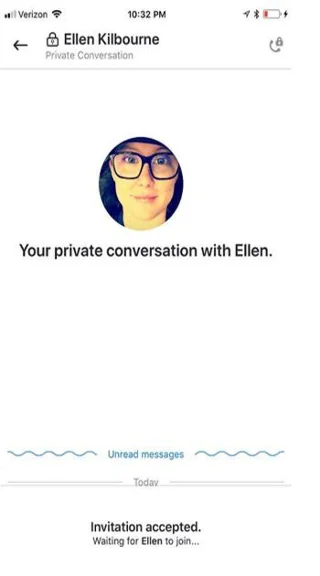
Step 3: When the conversation is accepted, the conversation will start in private.
Step 4: When completing the conversation, do not want to keep, you can delete it by right-clicking on the conversation and selecting Delete chat .
Note: The Private Conversation feature will be available for Android and iOS users after the preview period for Skype Insiders users ends.
So from now on, you can talk freely, without having to worry about others "peeking" at your messages. Private chats are currently limited to 2 people.
I wish you successful implementation!
Follow SUSE’s SP7 procedure to enable FIPS mode, reboot safely, verify the active policy, and check whether your compliance requirement calls for validated modules.
Compare YaST and cryptsetup for a new encrypted SLES data volume, choose LUKS1 or LUKS2, and verify unlock and mount behavior safely.
Create, refine, and verify a least-privilege AppArmor profile on SLES 15 SP7, with a clear note on SLES 16’s SELinux default.
Set up RMT on SLES 15, mirror entitled repositories, and verify HTTPS registration and package access from a test client.
Connect SLES 15 to AD with YaST’s SSSD-based logon management, then verify directory lookup, domain login, and Kerberos tickets.
Set up the right Live Patching path for SLES 16.0 or 15 SP7, apply eligible kernel fixes, and confirm what is active without confusing it with a reboot-required kernel update.
Load a custom SLES 15 kernel module without disabling Secure Boot. Match the running kernel, sign the .ko file, enroll a MOK key, and verify loading.
SLES 15 SP5 can migrate online to SP6, but each node must reboot. Use a tested rolling upgrade or blue-green cutover to keep workloads reachable.
Use SUSE’s supported STIG profile to scan SLES 15, test remediation, review remaining findings, and retain assessment evidence.
Trace a failed Cockpit connection through DNS, port 9090, the systemd socket, firewalld, TLS, and login settings using current SUSE guidance.









