The main, prominent reason that people choose to use Internet Download Manager IDM is that it is quite fast and stable. However, in some cases, users feel the download process is slower than the original. There are many reasons for this, but there are also many ways to fix and improve the speed of IDM.
The speed of IDM is undisputed, however, if you still feel dissatisfied, or want to speed up this tool, it is not impossible!
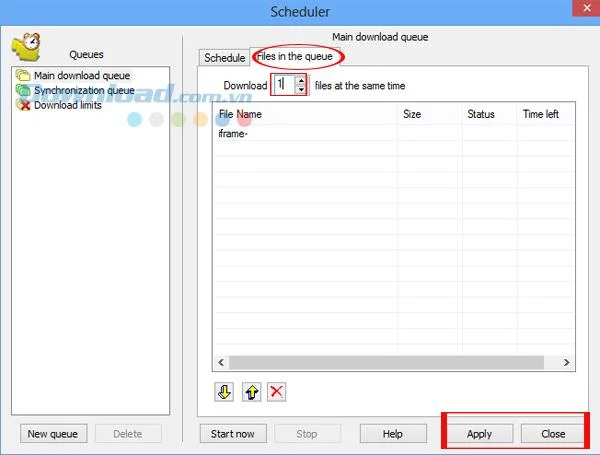
Method 1: From the main interface of IDM, you click Scheduler (clock icon).
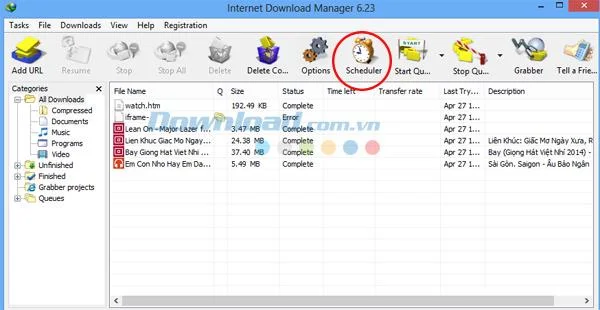
After the Scheduler window appears, select the File in the queue tab and set Download ... files at the same time from the default of 4 down to 1 , then click OK (Figure below).

However, this method has the disadvantage of slowing down the access to websites, or other related jobs and activities, using the Internet connection.
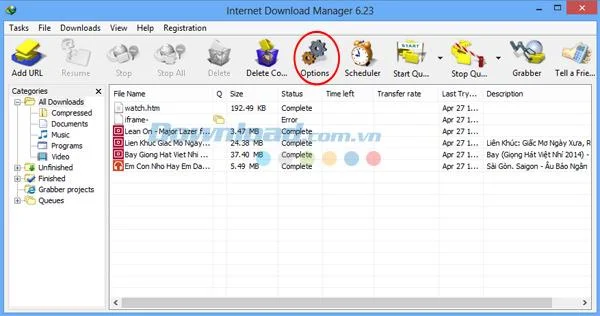
Method 2: Also from the main interface of IDM , you click the Options tab (symbolized by the gear wheel).

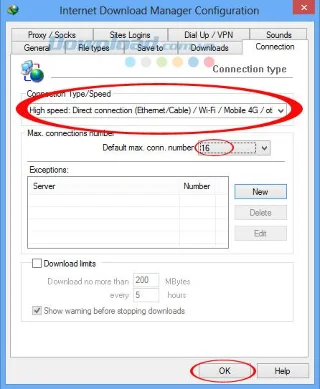
A new window appears, select Connection and adjust the parameters in it as shown below, specifically:
- In Connection Type / Speed: choose High speed ...
- Choose the average value of 8 or 16 at Default max. I n. number.

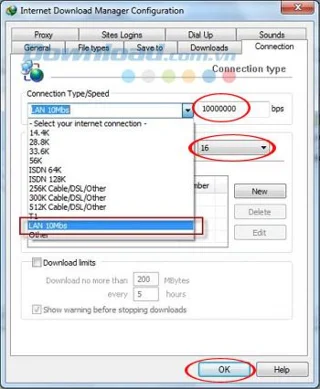
Or for some users of older versions, you can adjust as below:

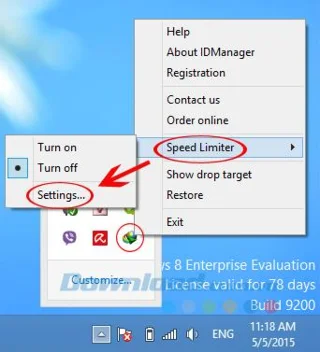
Method 3: From the desktop , right-click the IDM icon , select Speed Limiter and click Settings ...

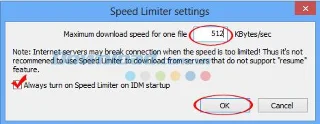
The Speed Limiter settings window appears, you can adjust the parameter in the Maximum download speed for one file to 512 KBytes / sec instead of the default IDM . You can also increase this speed to higher, however, if you exceed 512, then when you are downloading and you pause (Pause) , it will not be able to continue downloading (Resume) that file.

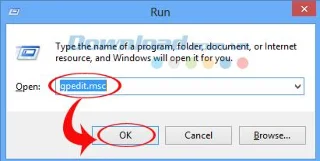
Method 4: Open the Start / Run dialog box (if it is Windows 8, press the key combination window + R) , then enter in the Open box "gpedit.msc" , then OK.

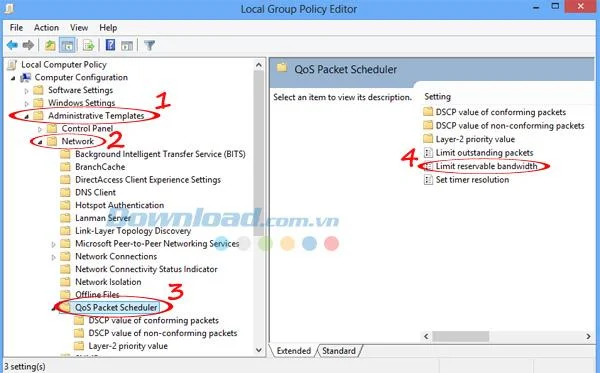
After the Local Group Policy Editor dialog box appears. You look at the window on the left and in turn choose custom according to the following instructions:
- Administrative Templates / Network / QoS Packet Scheduler.
- When the right hand appears the corresponding card, double click on Limit reservable bandwidth.

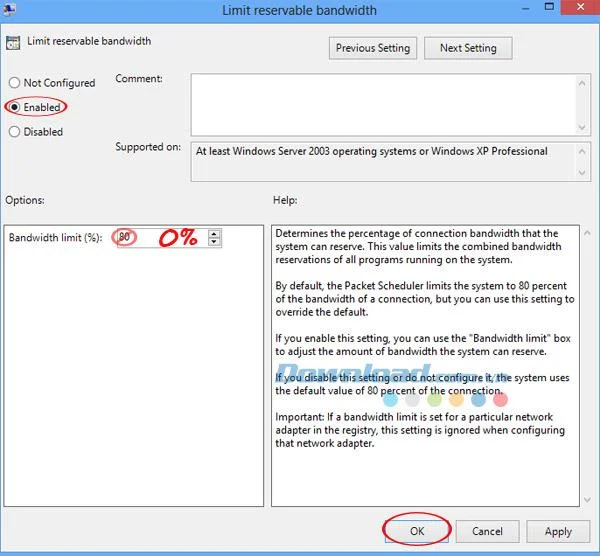
Continue to appear a new window. Here, select Enables in the Limit reservable bandwidth section , and adjust Options / Bandwidth limit (%) from the default to 0 . Click OK to finish.

In fact, the download speed of each person and each region is different, depending on the connection, the configuration, or the package that person is using. But the ways that Download.com.vn just introduced above will help you improve and speed up your IDM . Try checking this before and after changes!