Schedule Reliable Backups for ONLYOFFICE Workspace
Set a backup destination, schedule, Mail coverage, and retention limit in ONLYOFFICE Workspace, then verify the archive is ready to restore.
If you are using the same Microsoft account for multiple devices using Windows10 operating system, there will certainly be times when you accidentally sync common data on these devices and want to delete. If you do not know how to delete synced data on Windows 10 , you can refer to the following tutorial.
Synchronizing settings is something that a lot of users, especially when there are many different devices but only using a single account. This will make the user experience consistent and easier to use. However, when you sign in to your Microsoft account and use this synchronization may include installing some applications, passwords or other topics, it can sometimes be inconvenient and cause problems. should have.
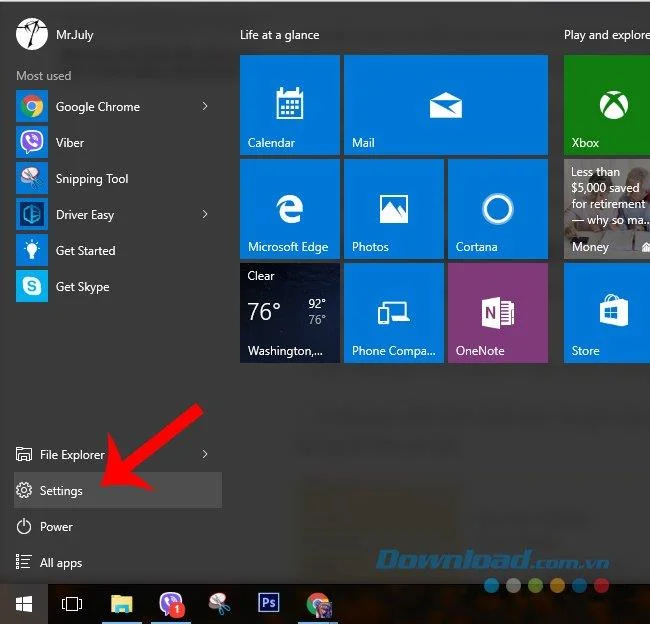
Step 1: To delete the sync, first we need to turn off the synchronization mode in the computer first, by, from the desktop screen, left-click on the Windows icon in the lower left corner of the screen, select Click on the Settings icon.
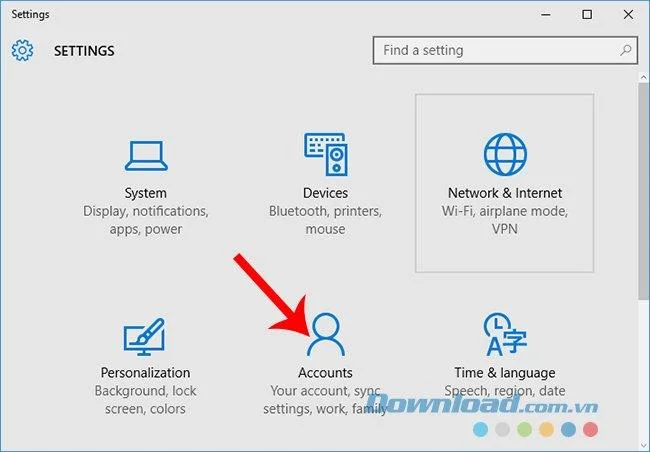
Step 2 : Click on the Accounts icon in the next interface.
Step 3 : Find Sync your settings and switch Sync settings to OFF as below to turn it off.
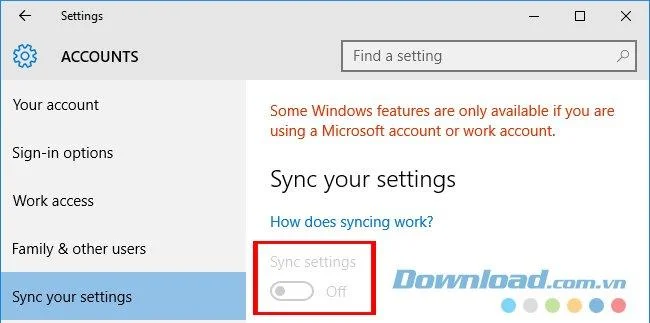
If we want to re-sync, we just need to do the serialization and enable this item to finish.
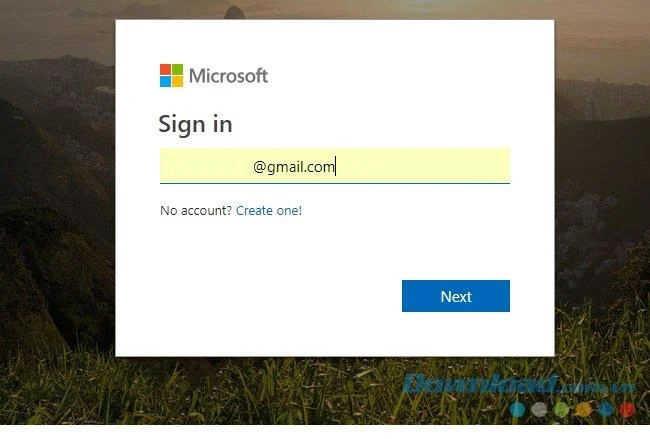
To delete settings that have been synced on previous devices, simply visit the OneDrive address , sign in to your OneDrive account.
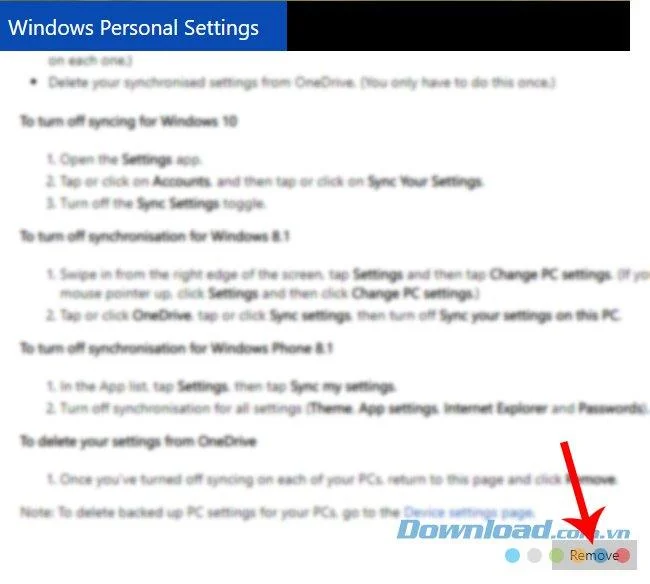
 Then scroll down and click on Remove .
This is a guide to turning off and deleting synchronized data from a Microsoft account on your computer's Windows 10 operating system, with other devices or operating systems, you can do the same.
Turn off sync on Windows 8 :
Settings / Change PC settings / OneDrive / Sync settings / toggle Sync your settings on this PC to OFF.
Turn off sync on Windows Phone 8.1:
Settings / Sync my settings / then turn off sync for all themes like: Wallpaper, app settings, passwords ...
Set a backup destination, schedule, Mail coverage, and retention limit in ONLYOFFICE Workspace, then verify the archive is ready to restore.
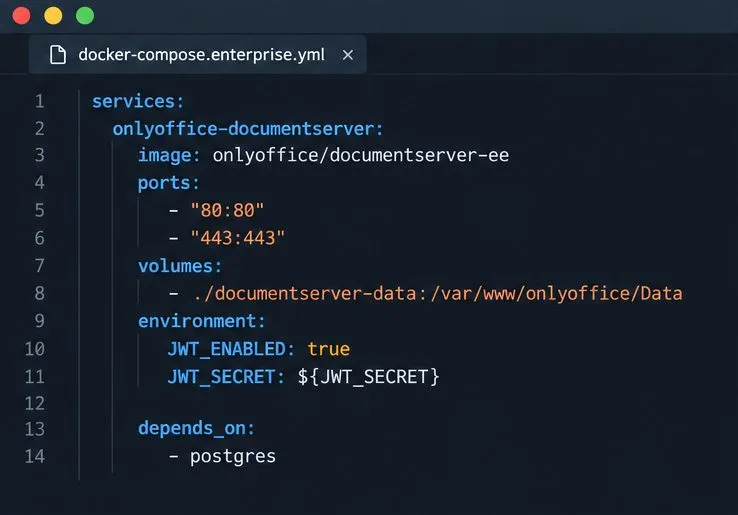
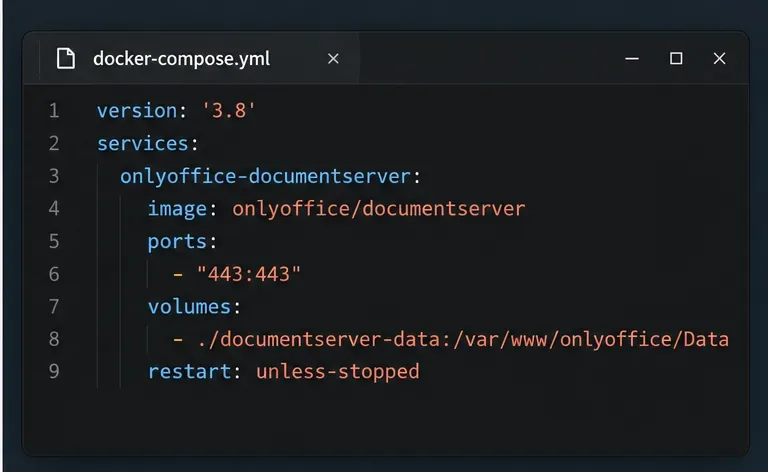
Start the Enterprise Docker Compose stack, persist its license and data, configure JWT safely, and confirm the editors are ready to integrate.
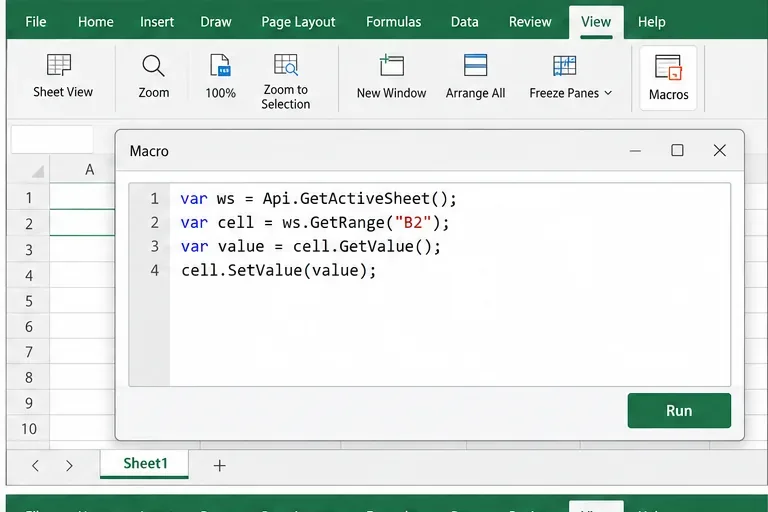
Use an ONLYOFFICE JavaScript macro to remove nonprinting characters and trim extra spaces from a defined spreadsheet range, with a safe review workflow.
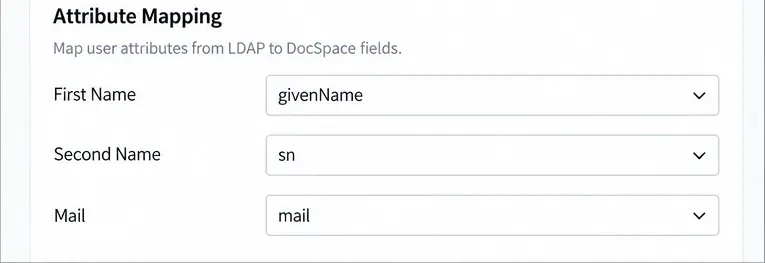
Connect ONLYOFFICE DocSpace to Active Directory or OpenLDAP, import users and groups safely, map account fields, and schedule reliable synchronization.
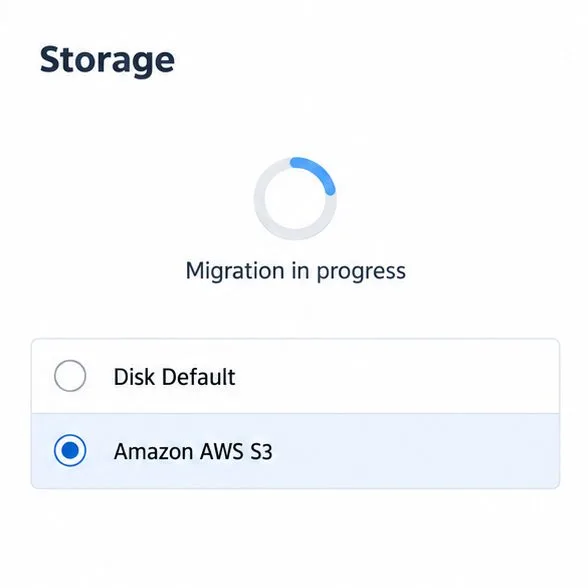
Move portal data from Disk Default to a supported cloud storage provider, or relocate Docker data safely by changing its host volume mapping.
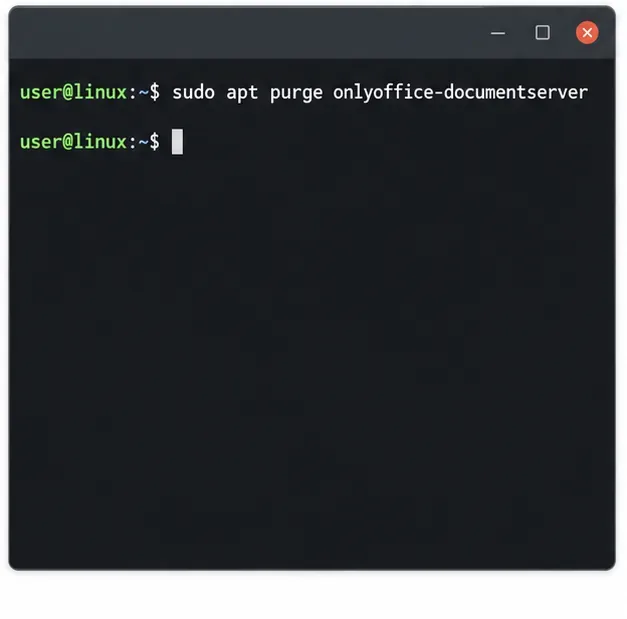
Identify whether Document Server uses a Linux package or Docker, remove only its components, and check remaining data without deleting shared services by mistake.
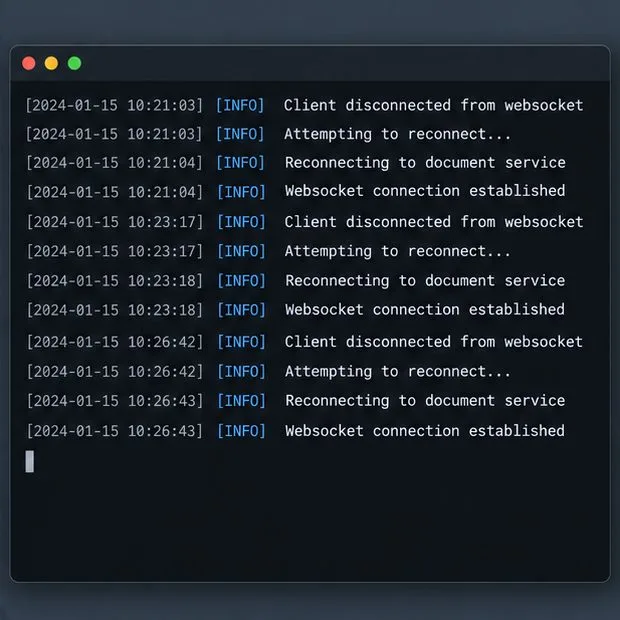
Trace slow collaborative editing to Docker resource pressure, proxy connections, or document load, then choose the fix that matches your measurements.
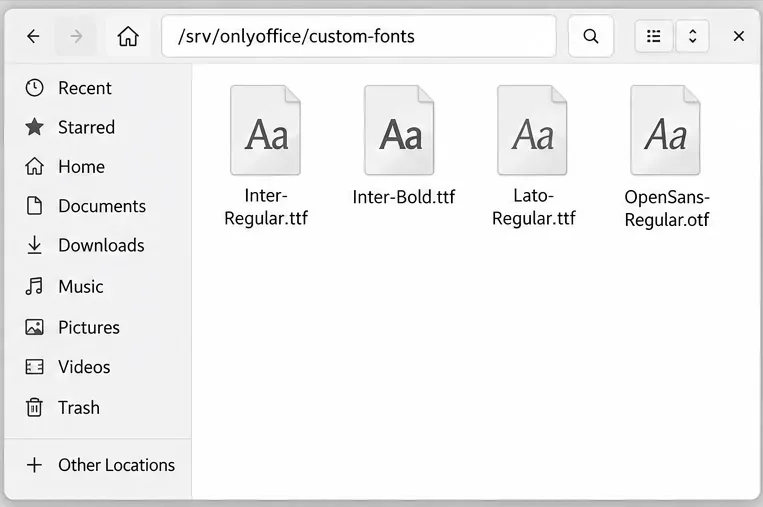
Install custom fonts in ONLYOFFICE Document Server, compare persistent Docker mounts with direct copies, rebuild the font list, and verify the result.
Choose where TLS should terminate, mount a trusted certificate and private key safely, and verify HTTPS access to a Dockerized ONLYOFFICE Docs server.
Embed the ONLYOFFICE editor in your PHP app, sign its configuration with JWT, and save edited files through a secure callback.