Stop ownCloud File Lock Timeouts with the Right Backend
Distinguish database lock contention from expired WebDAV locks, then choose and configure the right ownCloud 10 fix.
With CrossOver for Chrome OS, users can not only easily install Android apps, but also Windows software on Chromebooks in the blink of an eye.
CrossOver is a famous emulator application. It simplifies the process of using WINE to run Windows programs on Mac or Linux. Now, Codeweavers has brought CrossOver to Google Play to meet the needs of Chrome OS users.
Of course, you need to download and install this application onto Chromebooks with Intel processors. Then follow the instructions below.
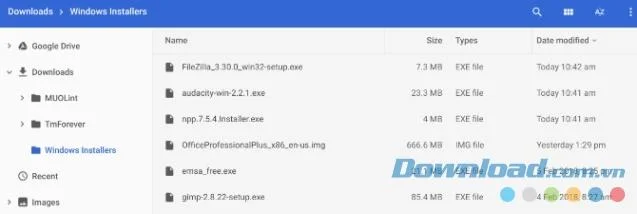
CrossOver will automatically fetch and install some Windows software for you. But with most software, you first need to download the offline installation of the desired program.
Whether it is Microsoft Office , Adobe Photoshop , even a small program like IrfanView, must download the full offline installation file on its site. If you don't see it, try searching on the Standalone Offline Installers page.
Save the installation file in an easy-to-find location on your Chromebook, such as the Downloads folder.
Apply these simple steps to games and software, but remember that not all. As mentioned at the beginning, it is best to download the file to install offline. In this case, the process will be slightly different.
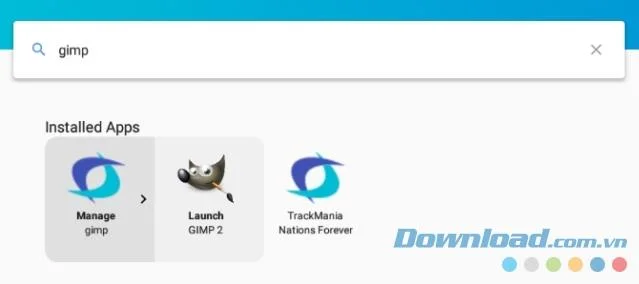
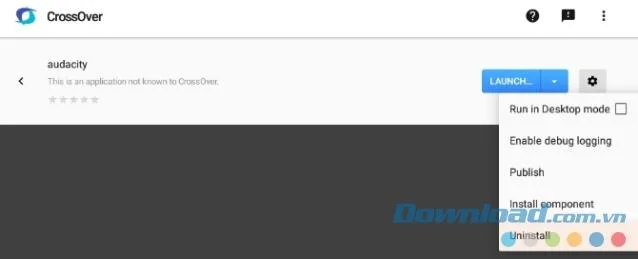
CrossOver for Chrome OS is still in beta, so some features may not work as advertised. Even complete, remember, you are essentially running Wine on a virtualized Windows environment. Therefore, programs still have the same interface and function as Windows software.
Here is a list of some software that can run on Chromebooks:
This article is tested on Asus Chromebook Flip C302. Most applications that encounter problems require Microsoft's .NET framework. Avoid these software if possible.
Currently, CrossOver for Chrome OS is completely free. So don't be afraid to download and try your favorite Windows apps on your Chromebook.
Distinguish database lock contention from expired WebDAV locks, then choose and configure the right ownCloud 10 fix.
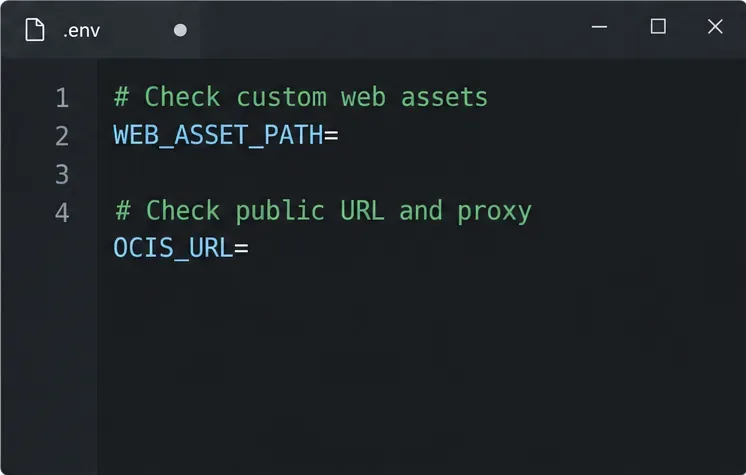
Trace a blank ownCloud Web screen to browser cache, missing web assets, service errors, or reverse-proxy URL settings with targeted checks.
Set ownCloud’s web PHP memory limit, restart the matching service, and verify the active value without confusing it with CLI settings or upload limits.
Find out whether MySQL, PHP, socket settings, or database permissions are blocking ownCloud 10, then verify a safe fix.
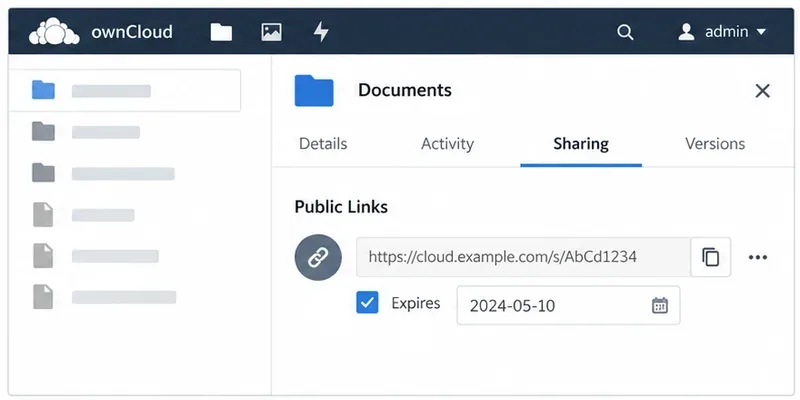
Make public link expiration mandatory in ownCloud Classic, set a maximum lifetime, and check existing shares that may need separate cleanup.
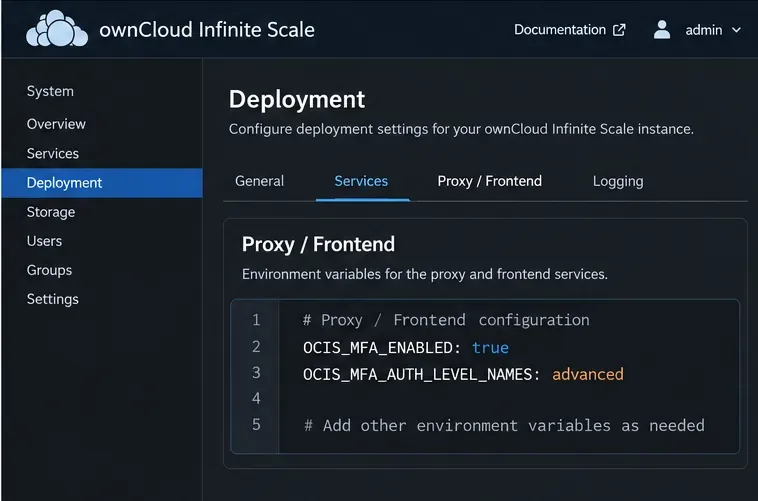
Enable TOTP through Keycloak, enroll users safely, and understand when Infinite Scale’s route-level MFA settings apply.
Check whether the issue is an OC10 and 7.x compatibility break or a damaged CSync journal, then apply the right fix without deleting synced files.
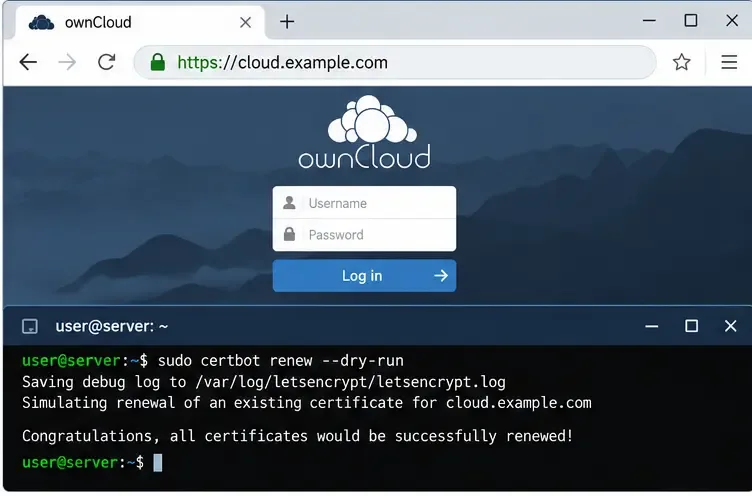
Choose HTTP-01 or DNS-01, configure an ownCloud reverse proxy, and verify Certbot renews HTTPS certificates automatically.
Configure oCIS LDAP sign-in, align user and group lookups, and verify TLS and schema settings before rollout.
Add an Amazon S3 bucket to ownCloud 10, prepare compatible credentials and endpoints, and check access without confusing a mount with primary storage.