Leftover Halloween Candy and Pumpkins: What to Do Next

Sort leftover Halloween candy safely, share or repurpose sealed treats, and choose food use or compost for pumpkins based on their condition.
Getting something down on the page can be messy. Whether you’re writing a difficult email or a challenging essay for school, writer’s block lurks around us all the time. When your blinking cursor is paralyzing you, turn to these Microsoft Word tricks to help you overcome your mental block.
Table of Contents
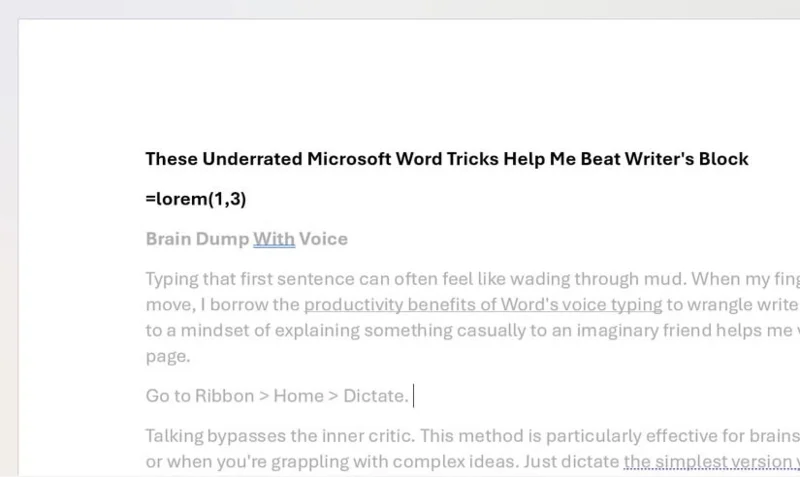
Typing your first sentence can often feel like wading through mud. When your fingers refuse to move, use the productivity benefits of voice typing in Word to overcome your creative block. Switching to the mindset of explaining something to an imaginary friend makes it easier to put it into words on the page.
You need a Microsoft 365 subscription to use the Dictate command. Otherwise, you can use Windows speech recognition by pressing the Win + H keyboard shortcut .
Go to Ribbon > Home > Dictate to enable voice typing.
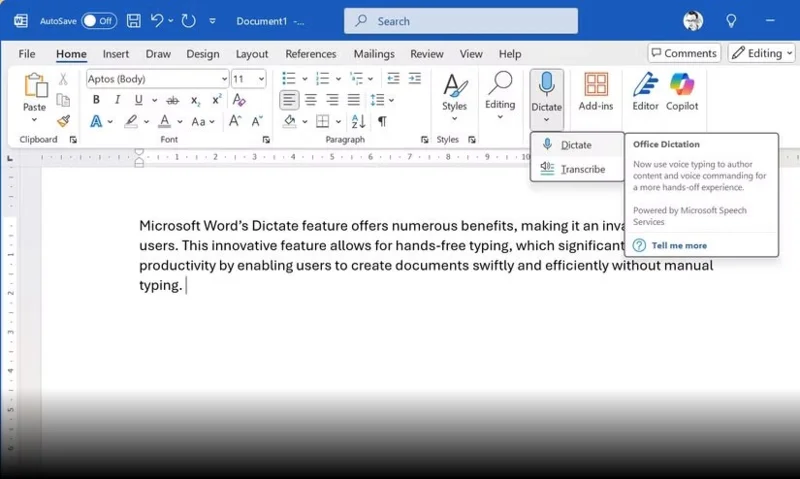
This method is especially effective for brainstorming sessions or when struggling with complex ideas. Just read the simplest version you can think of. The finishing touches can come later.
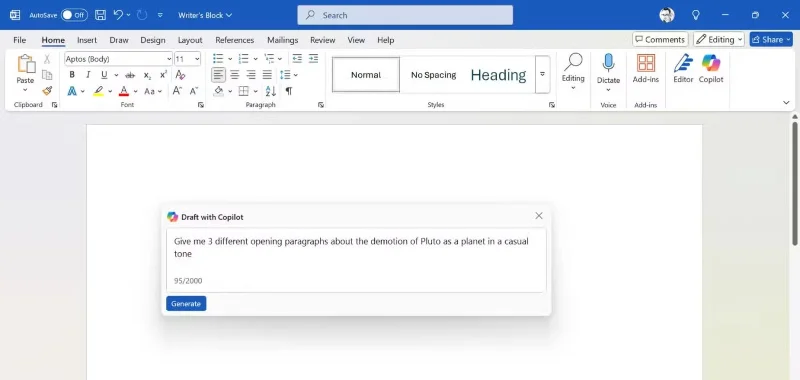
Come back to Microsoft Copilot when you're completely stuck. There are three ways to activate Copilot:
You can start with the prompt: "Give me three different opening paragraphs on [topic] in a casual tone."
At this stage, don't think about creating the perfect prompt to get the best response.
Tip : Use Copilot to jumpstart your thinking, not replace it. The AI won't judge your prompts, but you must judge its answers.
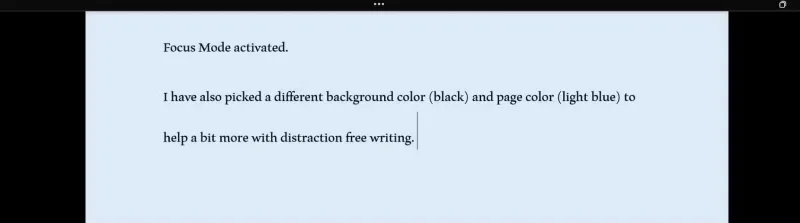
Focus Mode turns Microsoft Word into a distraction-free editor. It eliminates the clutter of the Ribbon.
Tip : You can set a different page color from Ribbon > Design > Page Color .
Remember, this is an unfinished draft. You don't have to write everything down right away in your document. When perfect wording gets in the way of your progress, mark the difficult parts with something like [brackets].
You can write [example] or [url] to keep yourself motivated instead of getting bogged down in hyperlink searching. If you can't write an entire section, fill in the blanks with random Lorem Ipsum dummy text. Type =lorem() and press Enter .
This will give you 5 paragraphs, each with 3 sentences. You can specify the number of paragraphs and sentences you want using the numbers in parentheses. For example, (2,3) inserts two paragraphs, each with 3 sentences.
You can also enter =rand() to get random placeholder text. Both types of placeholder text can help you visualize what your document will look like when you start writing.
Tip : Use Text Highlight Color to mark words and sections you want to review later.
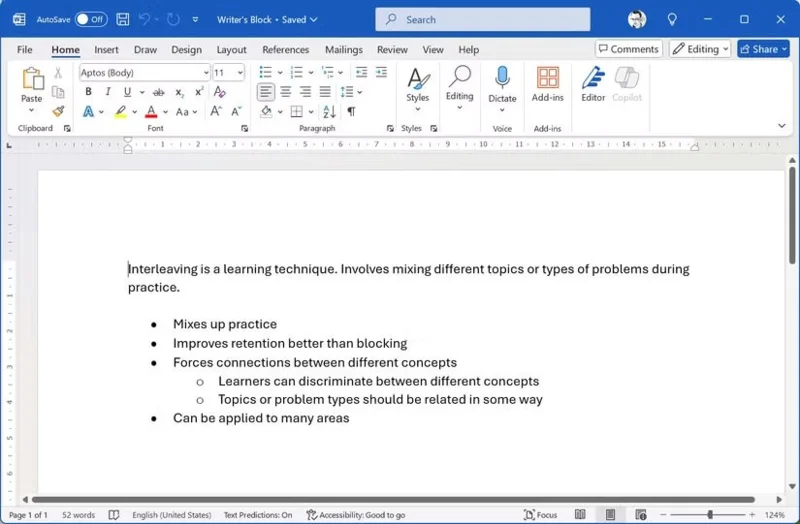
The first victim of writer's block is structured writing. Bullet points in Word are a less stressful way to jot down ideas on a blank page.
Instead of Ribbon buttons, you can use bulleted list shortcuts to speed up jotting down thoughts in a document.
Once you have written down your main points, turn them into complete sentences and paragraphs.
Tip : Mark points with different types of bullets from The Bullet Library on the Ribbon. You can even change the color of the bullets.
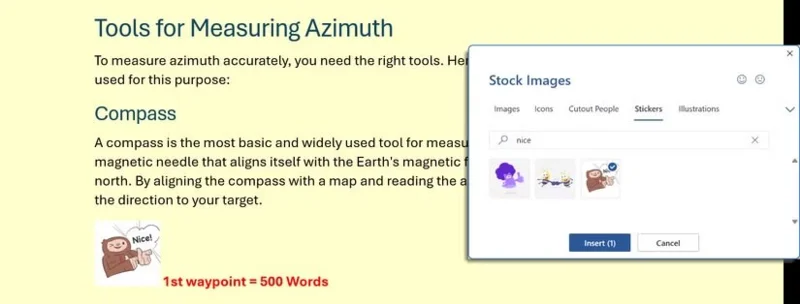
Writer's block often stems from a lack of motivation, so turn the writing process into a game by setting milestones and rewarding yourself.
Microsoft Word makes this fun with emojis, stock images, and symbols. Insert little “badges” at checkpoints. These little visual rewards help you stay focused, like unlocking levels in a game.
To add them, go to Insert > Icons or use Windows + . (period) to open the emoji panel.
Tip : Set up real rewards by collecting “stars” as points for each milestone.
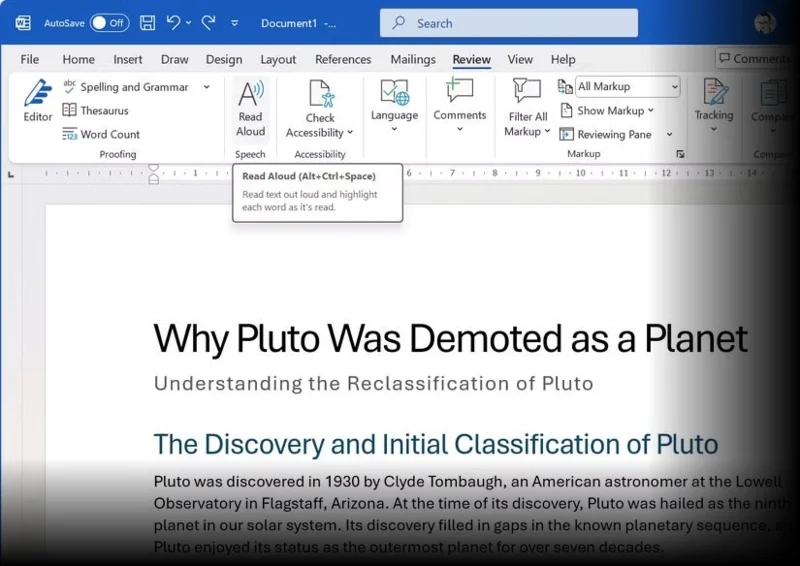
Typically, people reserve the speak feature for reviewing and editing finished documents. However, Read Aloud in Microsoft Word can help fill in the gaps when nothing else is holding your attention.
Go to Review > Read Aloud to hear your manuscript read aloud.
As you listen, make notes of any missing ideas or problems between sentences. As a listener, does the content make sense?
Tip : Change the Read Aloud voice ( Settings > Preferences > Speech ) to another voice - the novelty can help you hear your work objectively.
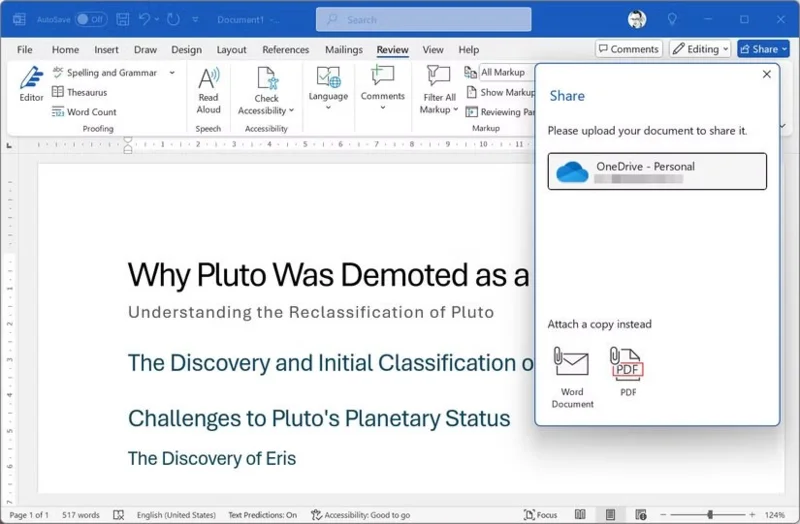
Microsoft Word's real-time collaboration feature lets you brainstorm with friends, colleagues, or editors—without opening another app. By clicking Share and inviting others, you'll get immediate feedback. Sometimes, just seeing comments like "expand" or "this is great" is enough to get you motivated again.
Note : Collaboration only works with documents saved to OneDrive or SharePoint.
If you don’t have a co-author, share your document with a writing buddy and ask for quick feedback. A fresh pair of eyes can do wonders for breaking down writer’s block. A fresh pair of eyes can spot gaps, ask questions, or suggest perspectives you might have missed.
Tip : Insert placeholders in the document and ask for ideas.
Once Microsoft Word is part of your workflow, these tips will reshape its familiar features. Ultimately, the key to overcoming writer's block is making writing more fun.
Sort leftover Halloween candy safely, share or repurpose sealed treats, and choose food use or compost for pumpkins based on their condition.
Compare workplace Halloween costume choices by respect, dress code, mobility, and safety—and learn when a subtle accessory or a policy check is the better option.
Find a couples costume that fits your style, budget, and comfort level, from Addams Family classics to original inside-joke duos.
Need a last-minute high school Halloween costume? Compare 10 easy closet-based ideas by prep time, comfort, school-day practicality, and simple safety checks.
Use a simple 2026 Halloween decorating timeline for indoor décor, outdoor displays, and fresh pumpkins, with practical adjustments for weather and events.
Mix five vivid, approachable Halloween cocktails with measured recipes, simple prep tips, and an alcohol-free option for your party guests.
Find 15 office-friendly Halloween costume ideas for 2026, with practical checks for dress codes, respectful themes, comfort, and workplace safety.
Plan a fun elementary school Halloween party with easy crafts, games, inclusive treats, costume tips, and a sample 75-minute classroom schedule.
Compare realistic side hustles for 2026 by startup cost, fees, flexibility, and income control, with current tax and scam guidance from official sources.
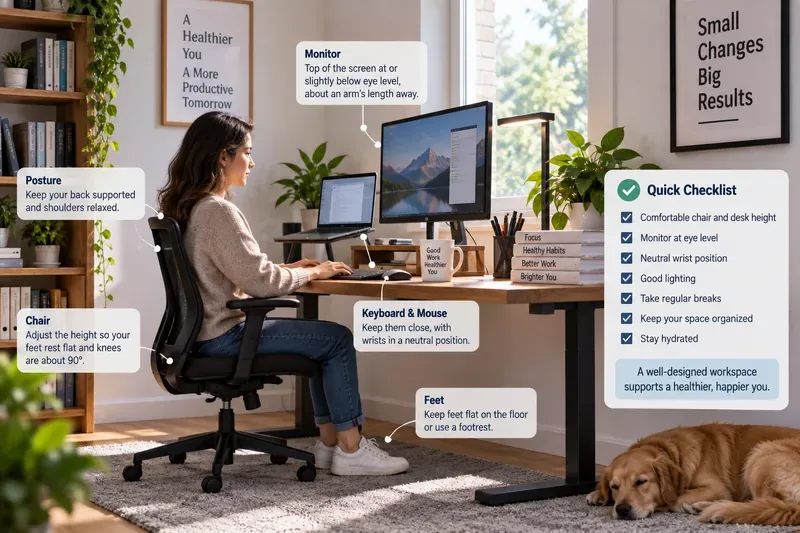
Upgrade your home office ergonomics with current OSHA and NIOSH guidance on chair fit, monitor height, laptop setup, lighting, and movement.