Home
» PC Tips
»
9 Big Annoying Things in Windows 11
9 Big Annoying Things in Windows 11
Longtime Windows users have always appreciated the flexibility and performance of this operating system. However, Windows 11 has a few persistent annoyances that many people cannot ignore.
9. Still have to switch between Settings and Control Panel
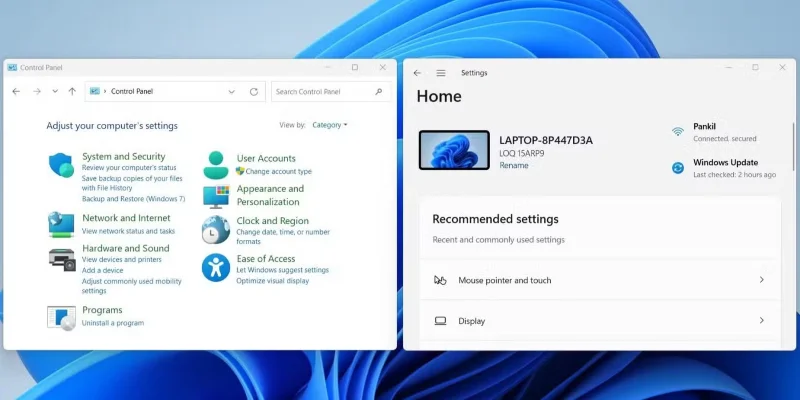
Microsoft has been trying to phase out the Control Panel in favor of a more streamlined Settings app to create a unified experience, but the transition is far from complete, and it's been more than three years since Windows 11 was released.
Some settings are still exclusive to the Control Panel, while others are only available in the Settings app, so users often have to switch between the two apps.
Sometimes you click on a setting in the Control Panel, only to be redirected to the Settings app and vice versa. This back and forth is annoying and confusing.
Control Panel and Windows 11 Settings app
8. Right-click menu and File Explorer are too simple
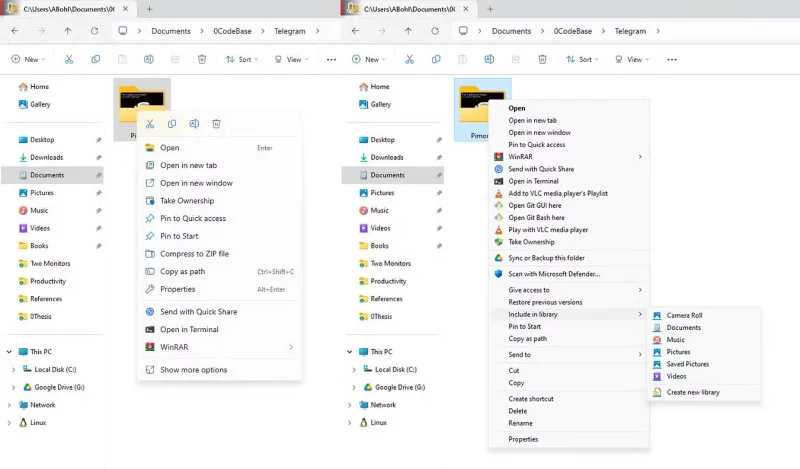
Anyone who has used Windows 10 knows how inefficient Windows 11's right-click context menu is. It hides many useful features behind a "Show more options" menu, requiring an extra click to access them.
Furthermore, Microsoft doesn’t provide an easy way to get back to the classic Windows 10 context menu, so your best bet is to hold down the Shift key while right-clicking on anything.
Windows 11 context menu and classic context menu
The same simplification issue extends to File Explorer. The streamlined ribbon interface limits access to essential functions like cut, copy, paste, delete, and rename, all of which are often better performed via keyboard shortcuts. The only problem is that not everyone knows how to use those shortcuts.
7. Changing default apps is more complicated than it needs to be
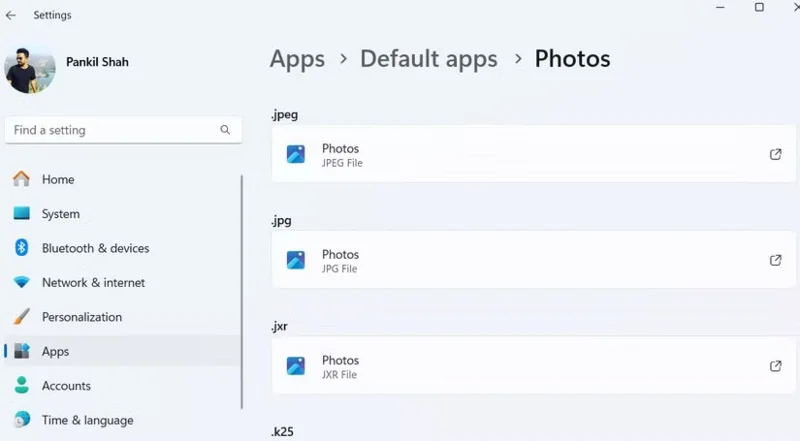
While you can change default apps in Windows 11, the process isn't straightforward. For example, if you want to set a new default photo viewer, you can't just pick one app and apply it to all photo formats.
Instead, you have to manually change it for each file type — JPG , PNG , TIFF , etc. This is time-consuming and annoying. The only exception is that changing the default web browser in Windows 11 is very easy.
Windows 11 Settings app shows option to change default photo viewer
6. Use a Microsoft account
Right from the moment you set up Windows 11 , you're required to sign in with a Microsoft account. Microsoft promotes this as a way to improve the Windows experience and streamline access to its various cloud services, but it can feel like a pain for privacy-conscious users who prefer to set up local accounts the traditional way.
Sure, you can set up Windows 11 without a Microsoft account using workarounds or even switch to a local account later, but it's not intuitive at all, and with all of Microsoft's AI features, it's getting harder and harder to opt out.
5. Taskbar looks like a downgrade from Windows 10
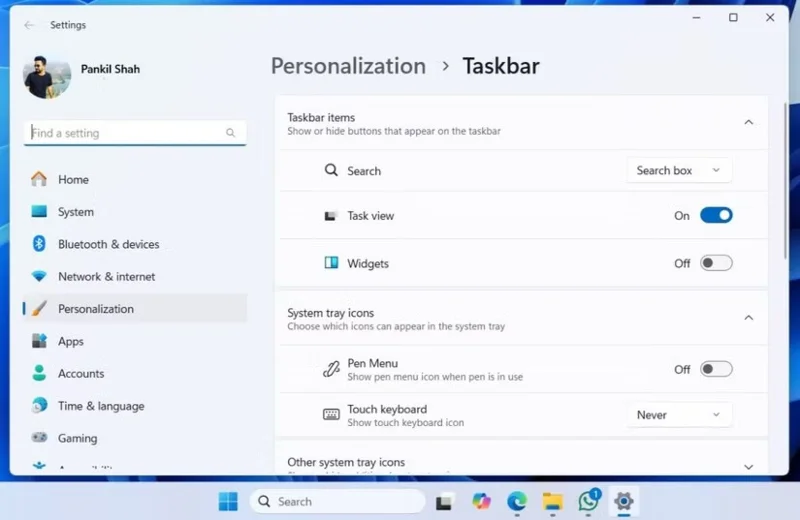
To be honest, the Windows 11 Taskbar is a complete downgrade from Windows 10. The real problem is that Microsoft has removed most of the customization options that made the Taskbar useful in previous versions. First, Windows 11 doesn’t let you move the Taskbar to the top, left, or right of the screen. If you want a vertical Taskbar, you’ll have to customize it with third-party apps.
Likewise, there is no built-in way to resize the Taskbar. If you want a larger Taskbar, your only option is to adjust the display scaling, which affects everything on the screen.
Windows 11 Settings App Shows Limited Taskbar Options
Then there's the matter of pinning files and folders. In Windows 10, you can easily pin your most used folders or even specific files to the Taskbar for quick access.
In Windows 11, Microsoft removed this functionality, so now you have to rely on workarounds to pin items to the Taskbar.
4. The Start Menu Still Seems Useless
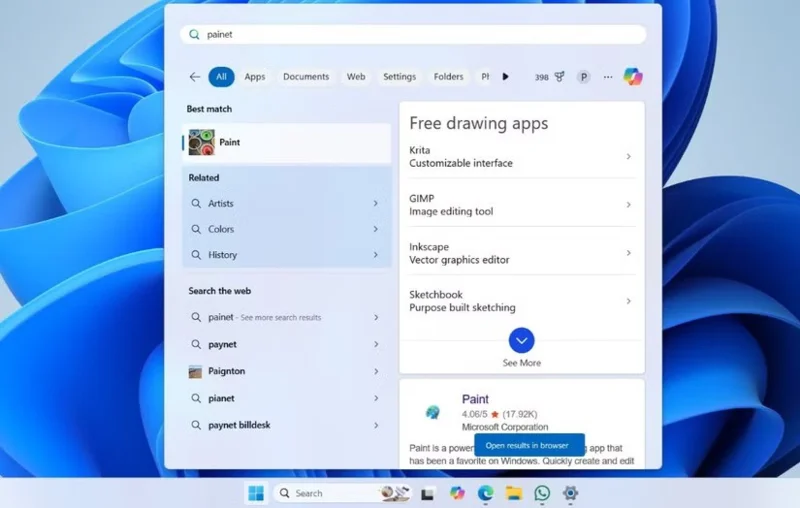
Most people rely heavily on the Start menu to quickly access their favorite apps and files. However, the Windows 11 Start menu is bogged down by Microsoft’s poor attempts to integrate Bing into everything. Whenever you search for something, like opening Paint, it shows results from Bing.
So if you misspelled something—like searching for “Painet” instead of “Paint”—Windows 11 will annoyingly open your browser and show you Bing results for that query. Worse yet, it uses Microsoft Edge for this, regardless of which browser you’ve set as your default.
Windows 11 Start menu showing search results
Then there's the "Recommended" section. Even if you turn off Start menu suggestions, it will continue to send you notifications, constantly reminding you to turn this feature on.
3. Disabling or removing Microsoft apps and services is a hassle
If you're not a fan of the Microsoft ecosystem, you'll find that removing some Microsoft apps and programs isn't easy. For example, if you want to uninstall Microsoft Edge from Windows, you'll have to use command-line tools or complicated registry workarounds.
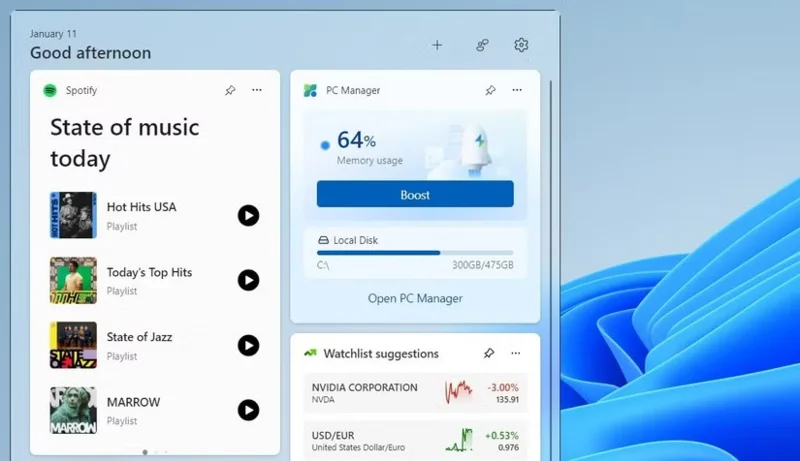
Windows 11 widget panel showing Spotify app
Likewise, Microsoft doesn’t make it easy to disable the widget panel or remove the Copilot feature entirely. The best way is to hide them, but they’ll keep popping up if you accidentally press the relevant keyboard shortcut.
2. Too much junk software
In addition to essential apps and programs, Windows 11 PCs come pre-installed with unnecessary software from both Microsoft and manufacturers. Many of these apps tend to push users into subscribing to services or bombard them with ads.
Not only does this junk software take up valuable storage space, it can also slow down your system by running in the background or launching at startup. Therefore, the only solution is to remove the junk software from your Windows 11 PC, which is a job no one wants to do.
1. Difficult to escape ads
No one likes ads. Unfortunately, Windows 11 is full of them. From advertised apps in the Start menu to suggestions in the Settings app and even the notification area, Microsoft constantly pushes its suggestions and services throughout the operating system.
These ads come in a variety of forms: pre-installed third-party apps, promotions of Microsoft's own services on the Taskbar, and pop-ups urging users to switch to Edge or try OneDrive.
While you can disable most ads on Windows 11, they shouldn't appear in the first place, especially when users have already paid for their Windows license.
Despite these annoyances, Windows 11 remains the operating system of choice for many. While it’s far from perfect, its overall performance and features more than make up for the frustrations. Hopefully, future updates will address these issues and make these aspects more manageable. Until then, we’ll have to rely on workarounds to make Windows 11 less frustrating.