Restore Bluetooth Headset Microphone Input on Ubuntu 24.04
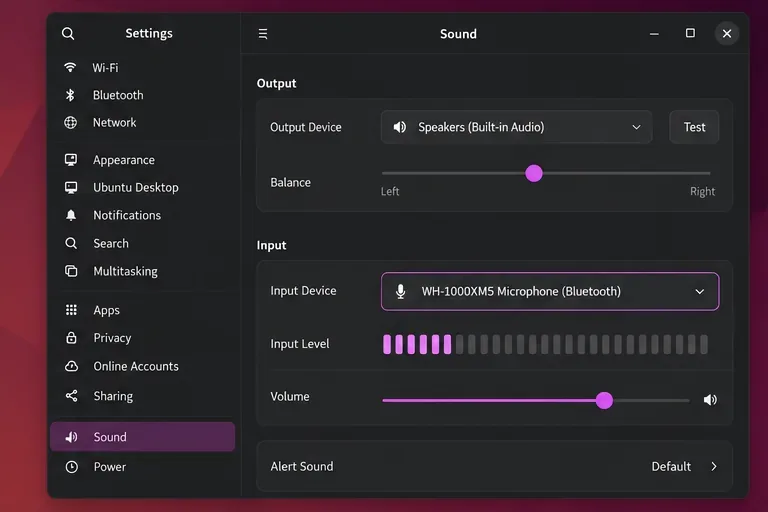
Get your Bluetooth headset mic working by selecting the right input, using a hands-free audio profile, and checking Ubuntu’s PipeWire route.
Laptop batteries degrade over time and lose capacity, resulting in less uptime. But after tweaking some deeper Windows 11 settings, you should see a significant improvement in battery life. Find out more in the following article!
1. Adjust power mode
Power mode in Windows 11 dictates how your device uses available resources. Ideally, you should set it to Balanced or Maximum performance (if you have an AC adapter connected).
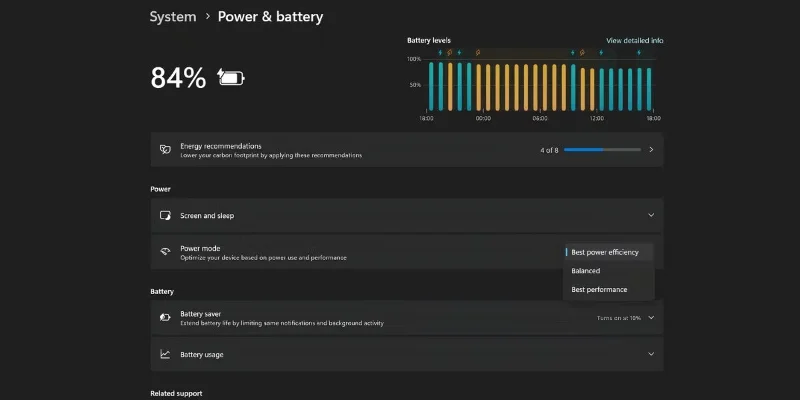
But these two modes will not help improve battery life. Navigate to Settings > Power & battery > Power mode . Select Best power efficiency from the drop-down list to save your laptop's battery life.
2. Turn on Battery Saver or Energy Saver
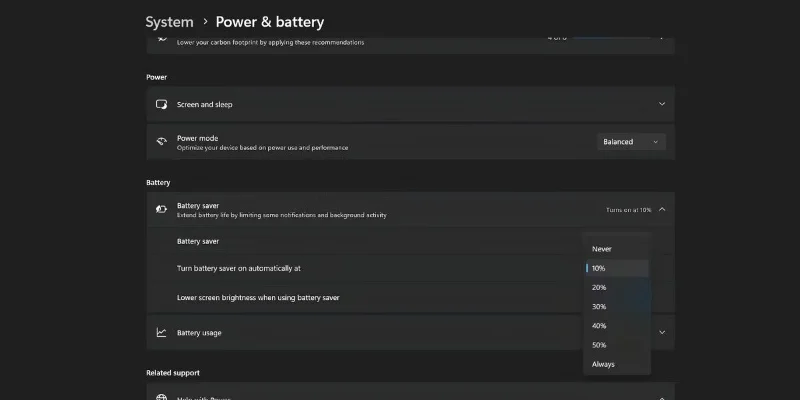
Battery Saver will force your Windows PC to stop background activities, updates, syncs, and other operating system components that consume system resources and drain your battery aggressively.
Press Win + A to open Quick settings. Then, click the Battery Saver icon to enable the feature. However, you can access more detailed controls by following these steps:
The 20% brightness level does not apply in all situations (like outdoors). You can ignore this option and set the brightness manually.
Note : Microsoft renamed Battery Saver to Energy Saver in Windows 11 24H2.
3. Reduce screen refresh rate
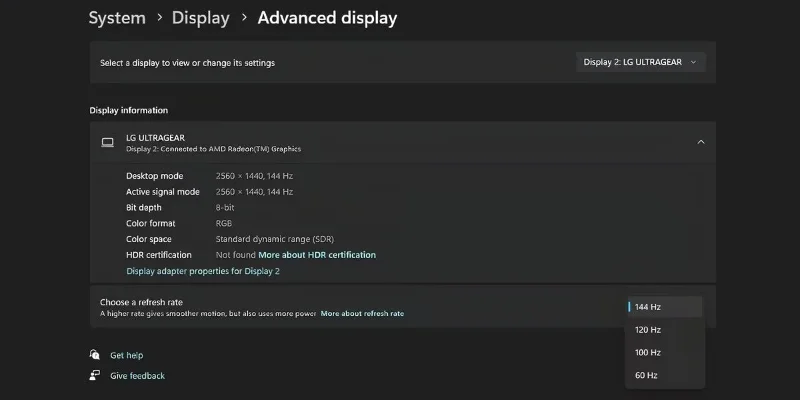
High refresh rate displays found on mid-range and high-end laptops consume more power. When battery life is a priority, you don’t need the best visual experience the display can provide. It’s best to reduce the refresh rate by following these steps:
This small compromise in visual fidelity will help your Windows 11 laptop last longer. Some OEMs include an app—Armoury Crate on Asus TUF laptops, for example—that automatically reduces the refresh rate when running on battery power. In those cases, you don’t need to manually reduce the refresh rate.
4. Change screen settings and Sleep mode
Screen and Sleep settings can help you save battery power when you're not using your laptop (even for short periods of time). You can determine how long it takes for the screen to turn off or for your computer to go to Sleep by following these steps:
5. Turn off startup and background apps
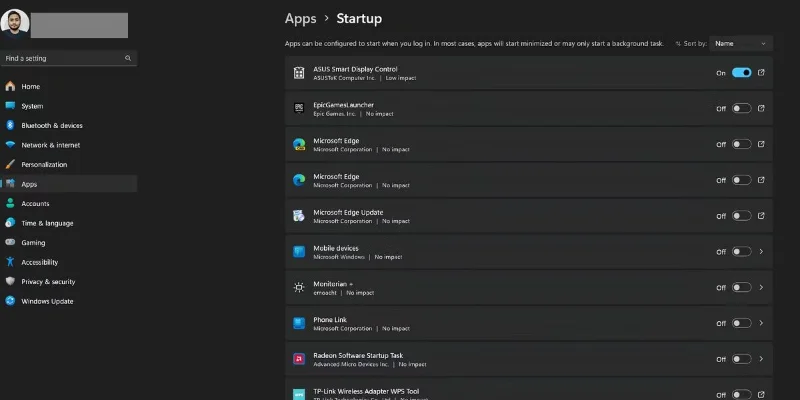
Startup apps drain battery life because they start running as soon as you log in to your PC. To turn them off, go to Settings > Apps > Startup . Turn off the switches next to apps you don't need.
For example, you can disable gaming apps and collaboration apps like Microsoft Teams, third-party apps, etc. Do not disable the touchpad or display apps.
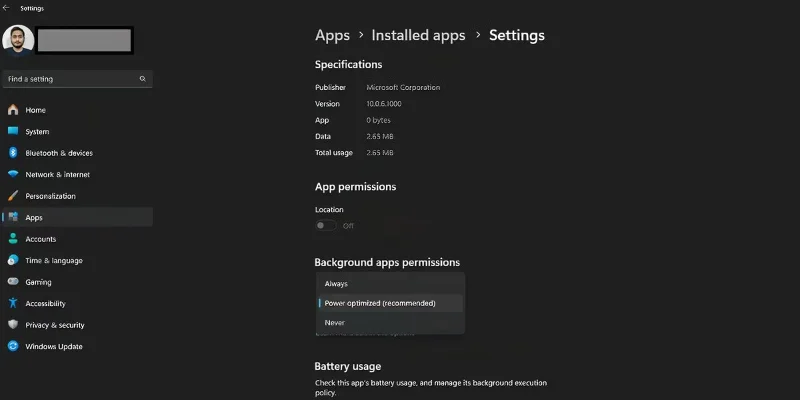
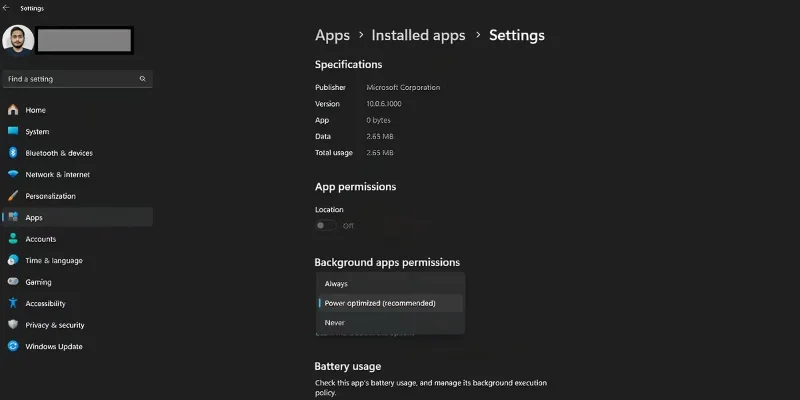
While Battery Saver handles background apps to some extent, Microsoft states that some apps or their features (notifications or updates) will continue to run in the background. To disable these apps, you must first identify which apps are consuming power.
Keep in mind that only some apps have an Advanced Options page that lets you change background permissions. You can follow these steps for those apps:
Now the app will not run in the background and you will not receive any notifications.
6. Modify video playback settings
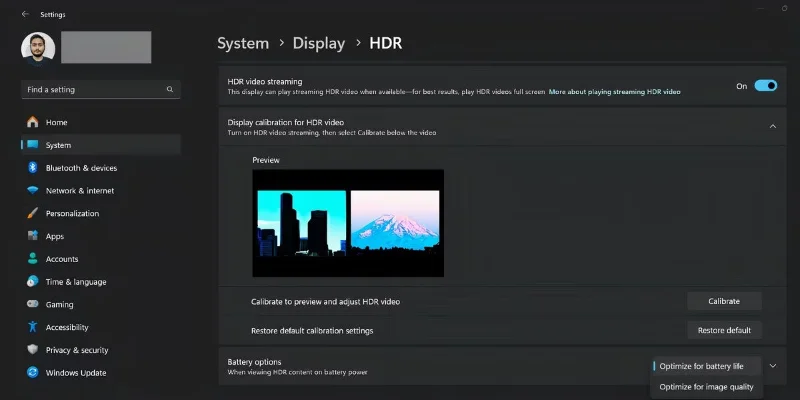
You can reduce video playback settings in Windows 11 to increase battery life. Go to Settings > Apps > Video playback and set Battery options to Optimize for battery life .
If your laptop has an HDR display, Windows will turn it off when the battery runs out. However, if your laptop doesn't have an HDR display and you're using HDR streaming, you'll need to configure it. Here's how:
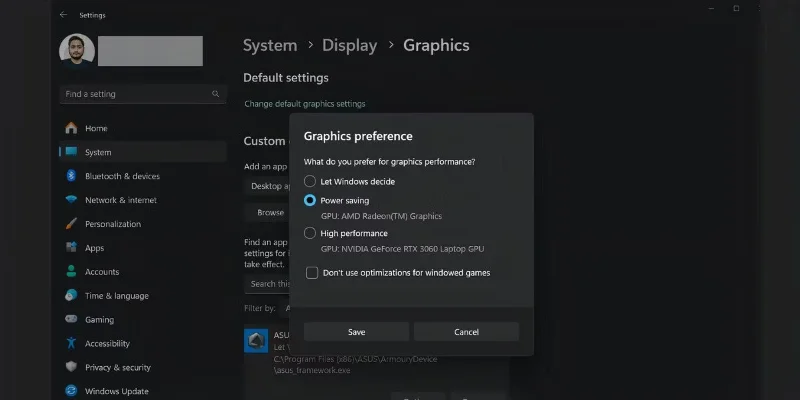
7. Configure graphics settings for the application
If your laptop has a discrete GPU , you can force applications to use the integrated GPU (part of the CPU) to save power. Here's how:
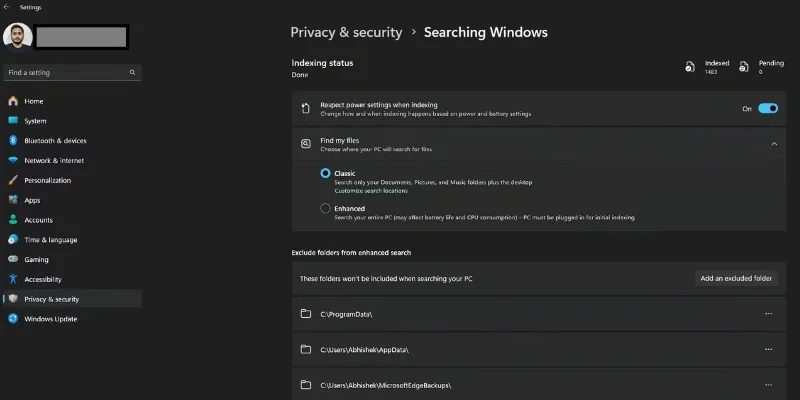
8. Adjust Windows search indexing settings
Windows builds a search index in the background to help you find things faster. But you can force Indexing to stay on standby when you're on battery power. Here's what you need to do:
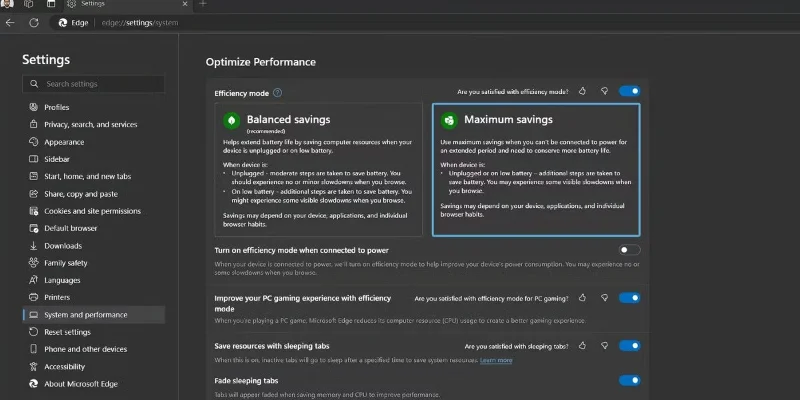
9. Use Power Saving mode in browser
Browsers are an indispensable tool for most of the productivity tasks you do online. Be it reading or editing documents, doing research, conducting virtual meetings, etc. But browsers consume a lot of power and memory when performing those tasks.
However, Edge and other popular browsers have power-saving features that can extend your laptop's battery life. Edge is a great choice for saving power on a Windows laptop thanks to its efficiency mode and Sleeping Tabs feature.
Similarly, Chrome has a built-in Energy Saver mode that reduces background activity and visual effects. All of these features will force the browser to consume less battery.
10. Experiment with Custom Power Plans
You can create a custom Power Plan in Windows 11 that complies with your battery saving requirements. That way, you can control processor power management, display and sleep settings, wireless adapter settings, and more. However, you'll have to do a lot of digging to understand which settings are right for your use case.
The setup is a bit complicated and is only useful if you want to maximize your laptop's battery life. You can also check the battery report in Windows to understand your laptop's battery capacity and whether it needs to be replaced.
Overall, tweaking these settings should help you get a lot more battery life out of your Windows laptop. But if none of these tips seem to have much of an effect, it might be time to replace your battery or upgrade your laptop entirely.
Get your Bluetooth headset mic working by selecting the right input, using a hands-free audio profile, and checking Ubuntu’s PipeWire route.
Learn why Flatpak apps may ignore Ubuntu 24.04 GTK themes and follow safe steps to check theme extensions, refresh Flatpak apps, and diagnose portal issues.
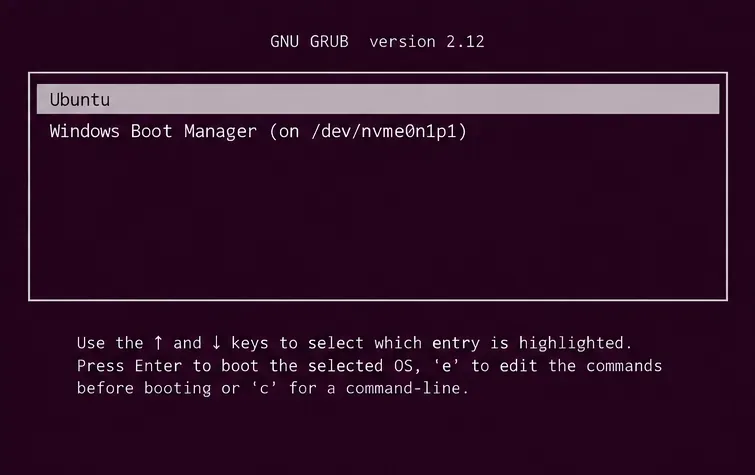
Install Ubuntu 24.04 alongside Windows 11 with BitLocker safely. Compare separate-drive and shared-drive paths, recovery keys, partitioning, and boot checks.
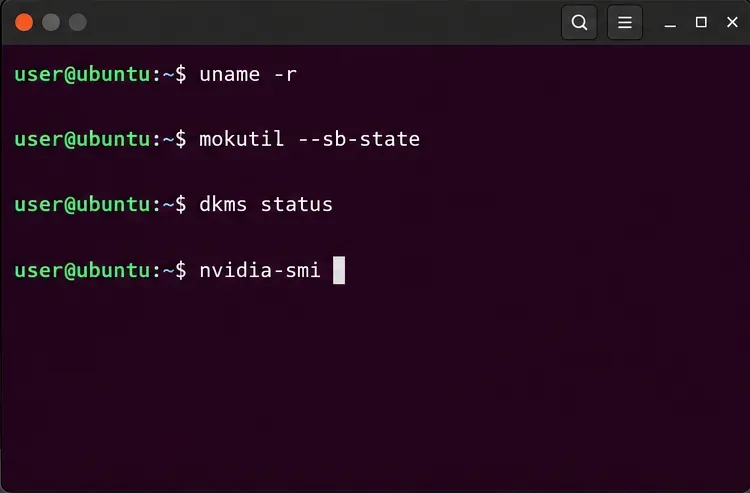
Diagnose NVIDIA driver failures after an Ubuntu kernel update. Check DKMS and Secure Boot, rebuild the matching module, enroll a MOK, and verify the fix.
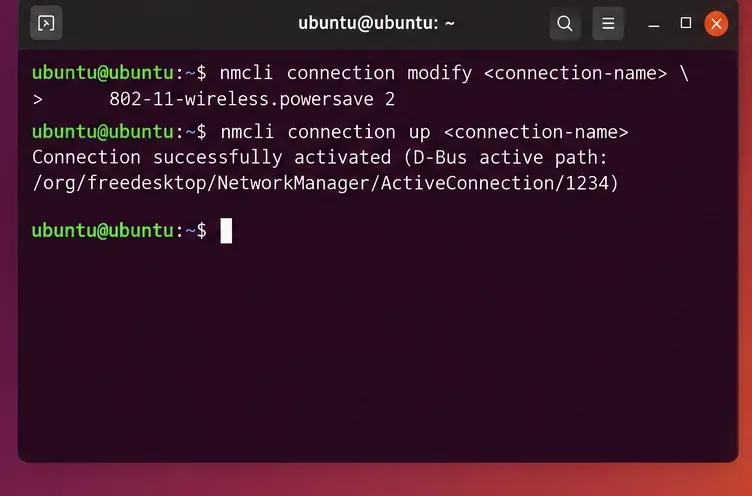
Fix Ubuntu 24.04 Wi-Fi drops after suspend with checks for NetworkManager, radio blocks, updates, power saving, and drivers—then verify each resume.
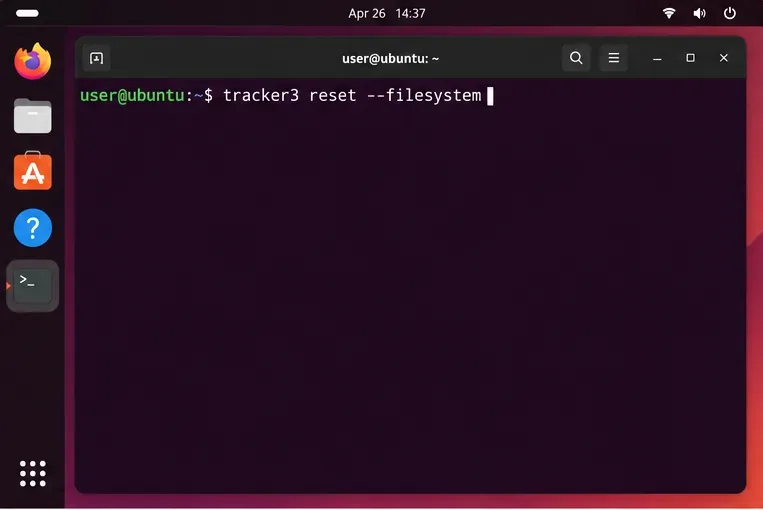
Learn why tracker-miner-fs-3 uses high CPU in Ubuntu GNOME and how to check indexing, exclude folders, update Ubuntu, or safely rebuild the search index.
Fix Debian’s UEFI boot error by checking boot mode, the EFI System Partition, GRUB files, and firmware boot order—without reinstalling Debian first.
The Outlook Inbox Repair Tool fixes corrupted PST files quickly so you can recover emails and restore normal Outlook function. Follow these exact steps to run scanpst.exe without data loss.
Get the Adobe PDF Installer Offline to install Acrobat Reader on any PC without needing internet during setup. Follow these exact steps for the full standalone package.
Learn how to Chromecast from laptop to TV with this step-by-step guide. Stream browser tabs, videos, or your full screen from Windows or Mac to your TV in minutes.