How to Update Google Chrome Browser

Learn how to update Google Chrome browser on Windows, Mac, and Android in minutes to enjoy better security, speed, and new features. Follow these clear steps.
Traveling is fun, but you don't want to miss out on a beautiful sunset or a hidden gem because your Android phone is dead. The good news is that there are plenty of ways to maximize your Android's battery life and stay powered up during your travels.
Table of Contents
When you're traveling and don't have easy access to a charging outlet, turning on battery saving mode on your Android phone should be a top priority. You can enable it by tapping the Power saving tile in the Quick Settings panel or by going to Settings > Battery .
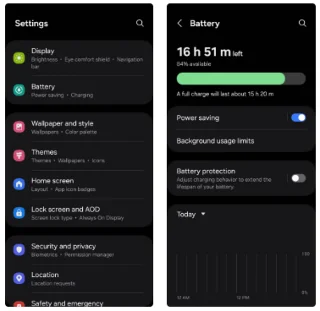
Depending on the version of Android and the specific skin your phone is running (like Samsung’s One UI or Google ’s Pixel ), the exact effects of battery saver mode can vary slightly. However, most Android devices will lower brightness, limit background syncing, minimize visual effects, and slow the screen refresh rate to 60Hz. All of these tweaks can significantly extend battery life, which is helpful when you’re on the go.
Another great way to save battery while traveling is to enable Adaptive Battery on your Android device. This smart feature uses Machine Learning to analyze your usage patterns, prioritizing power to the apps you use most while limiting resources to the ones you rarely open. As a result, your phone runs more efficiently, saving precious battery without compromising performance.
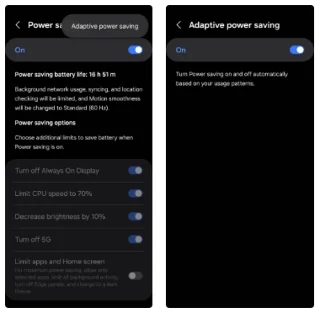
To enable Adaptive Battery, go to Settings > Battery and turn on the Adaptive Battery option . For Samsung Galaxy users, the steps are a little different: Go to Settings > Battery > Power saving , tap the three-dot menu and select Adaptive power saving .
Switching to a dark theme is a simple but effective way to save battery, especially if your Android device has an OLED or AMOLED display. These types of displays use less power to display darker colors, so turning on dark mode can save a significant amount of battery.
While some Android phones automatically turn on dark mode when you turn on battery saving mode, this may not apply to all devices. If you're using a Samsung Galaxy phone or another device that doesn't automatically switch to dark mode, you can manually turn it on through the Quick Settings panel.
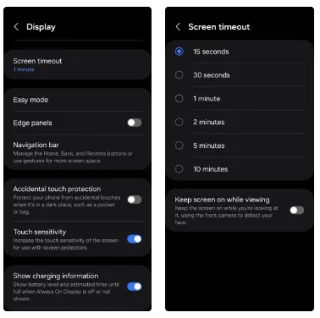
Another small tweak that can save a significant amount of battery life is to reduce the screen timeout. This setting determines how long your phone's screen stays on when it's in standby mode. Reducing the timeout to 15 or 30 seconds, rather than the default 1 minute, ensures that the screen turns off sooner, saving power when you're not using your phone. You can do this by going to Settings > Display > Screen timeout .
Installing too many apps on your Android phone can drain your battery. This is because many apps run in the background, often without you noticing.
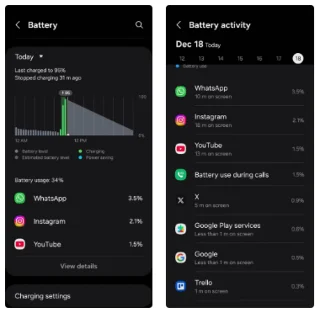
To determine which apps are consuming the most power, you can navigate to the battery usage menu in your phone's settings.
Once you've identified battery-draining apps, you can take steps to stop them from running in the background. Samsung Galaxy users can also put unused apps to sleep to prevent them from consuming battery while you're on the go.
Listening to your favorite music or using Google Maps for navigation is a common thing to do when traveling. However, streaming music or constantly using location services can quickly drain your battery. A simple but effective way to avoid this is to download music and maps for offline use before you set off on your journey.
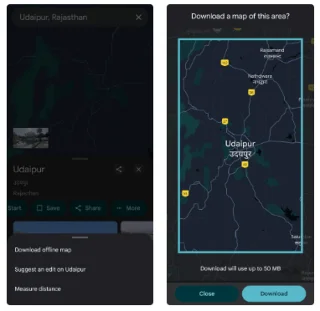
Music apps like Spotify and YouTube Music let you download specific playlists, albums, or songs directly to your device. Similarly, you can use Google Maps to download offline maps of areas you'll be visiting.
Also, make sure to download any important files, such as travel itineraries, PDFs, or documents that you might need during your trip. By saving them to your phone in advance, you can easily access them through a file manager app.
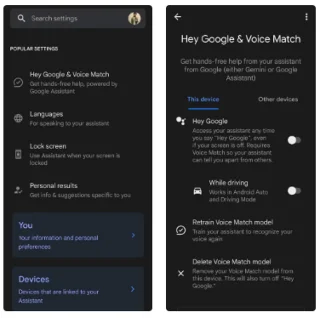
While the “Hey Google” feature is a convenient way to interact with your Android device hands-free, it can also be a potential source of battery drain. Since your phone’s microphone is always listening for the “Hey Google” command, this constant activity consumes power, even when your phone is in standby mode.
Therefore, it's best to turn this feature off by going to Settings > Google Assistant > Hey Google & Voice Match and turning off the Hey Google toggle .
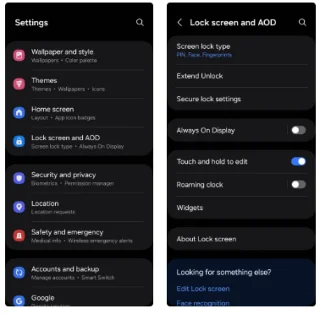
The Always On Display (AOD) feature is quite useful, allowing you to quickly check the time, notifications or other necessary information without unlocking your phone. However, the downside is that it always keeps the screen active, draining the battery.
On Samsung Galaxy phones, you can turn off the Always On Display feature by going to Settings > Lock Screen and AOD . For devices running stock Android, go to Settings > Display > Lock Screen > Always Show Time and Info and turn this option off.
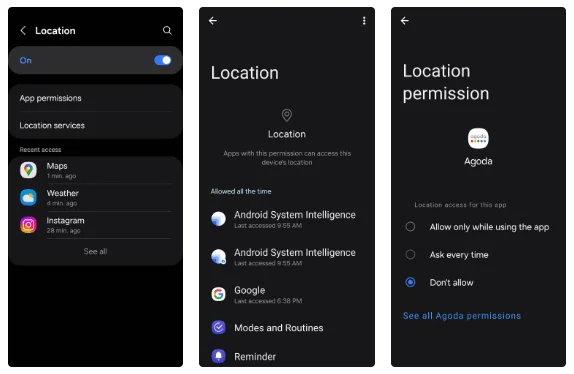
Enabling location services is essential when traveling for tasks like navigating, checking the weather, or using other location-based services. However, you don’t need to enable location services for all apps as this can increase battery usage unnecessarily.
For example, you can enable location services for navigation apps like Google Maps, but disable them for social media apps, games, or other apps that don’t rely on real-time location tracking. To do this, go to Settings > Location > App permissions . From there, go through each app and turn off location access for the ones you don’t need.
Finally, it’s important to be aware of how extreme temperatures can affect your phone’s battery performance. Both extreme heat and extreme cold can cause your Android device’s battery to degrade and drain faster than normal.
To protect your phone while traveling, avoid exposing it to extreme temperatures. Instead, keep it in a cool, shady place and store it in a pocket or backpack when not in use.
Your Android phone can be a great travel companion, but battery life can be a limiting factor. So, keep these tips in mind on your next adventure to keep your phone charged for all the important moments.
Learn how to update Google Chrome browser on Windows, Mac, and Android in minutes to enjoy better security, speed, and new features. Follow these clear steps.
Learn how to download old media from WhatsApp and recover photos or videos from past chats. Follow these clear steps to save files that no longer appear in your gallery.
Facebook Messenger Isn T Working on your device? Use these exact troubleshooting steps to restore chats, calls, and notifications fast on Android, iOS, or desktop.
How to See Deleted WhatsApp Messages using your phone's built-in tools. Follow these exact steps to recover messages that contacts have deleted from chats.
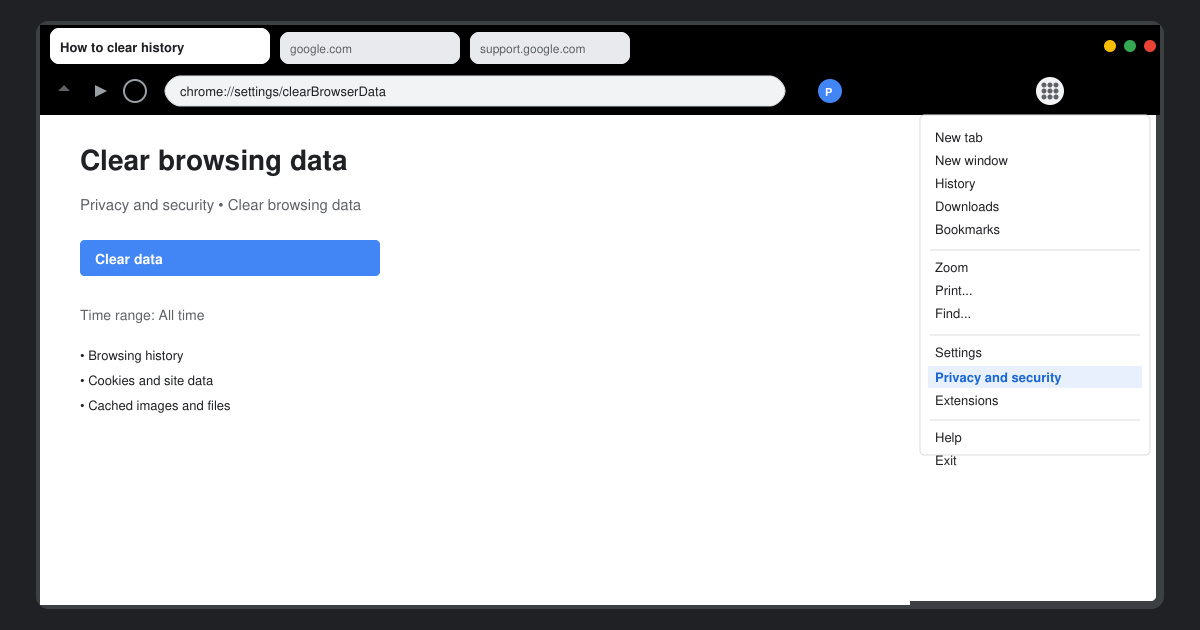
Learn how to clear browser history in Chrome on desktop and Android with this exact step-by-step process. Keep your browsing private and free up storage space quickly.
Master how to use CapCut with this practical walkthrough covering project setup, editing tools, effects, and export options for high-quality video results.
Get the latest WhatsApp App Update Download from official sources to access new features and security improvements. Follow these clear steps for Android and iOS devices.
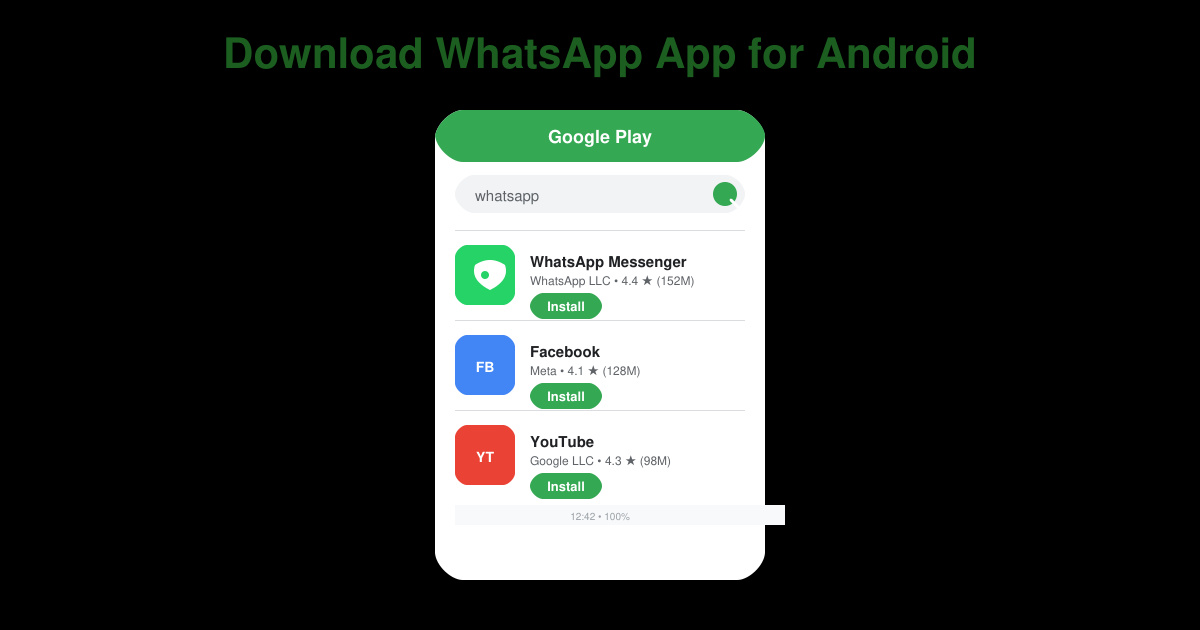
Learn how to safely Download WhatsApp App for Android from the official Google Play Store. Follow our clear step-by-step instructions to install the latest version quickly and securely.
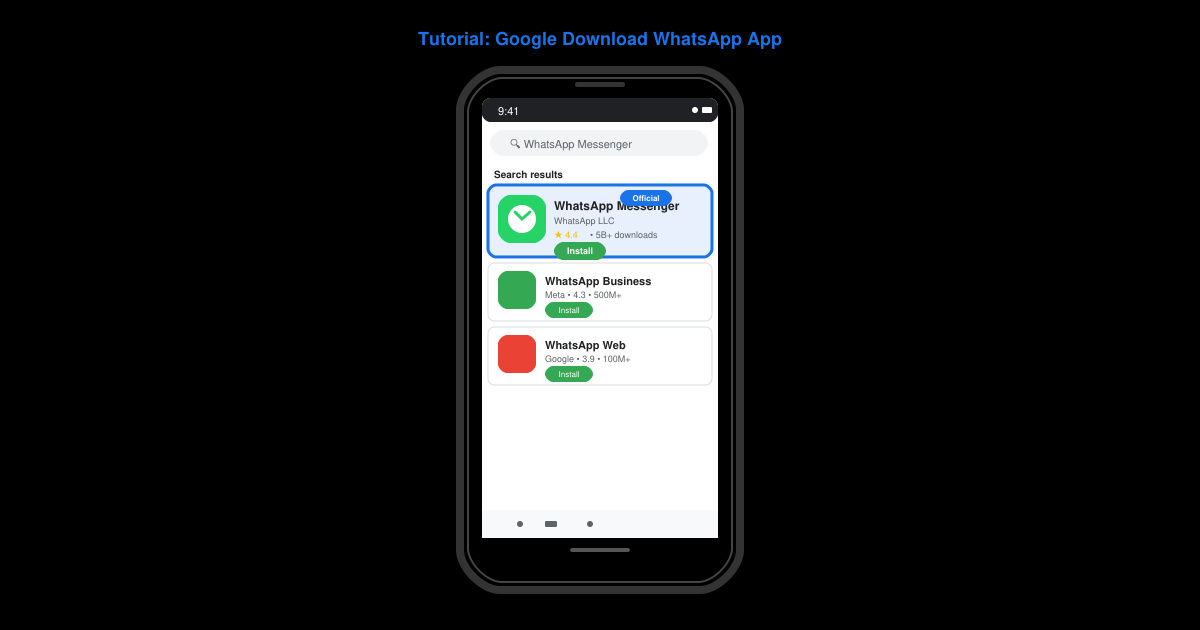
Google Download WhatsApp App safely through the Google Play Store with this clear guide. Get the official version on your Android device quickly and avoid fake downloads.
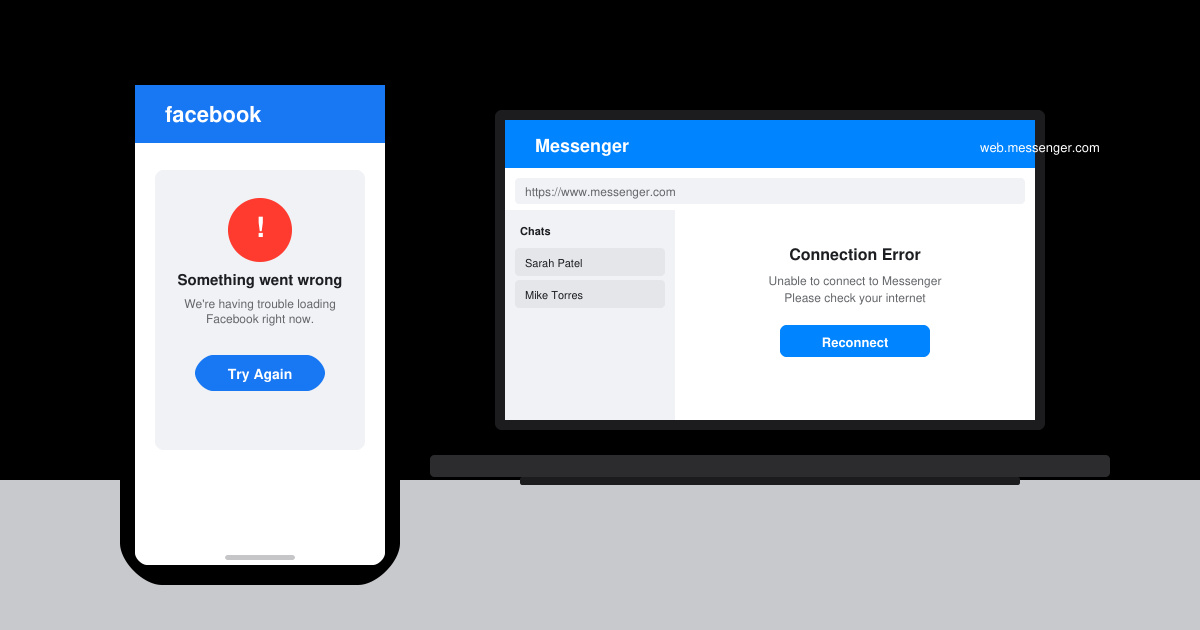
Facebook and Messenger not working can disrupt your day. Follow these targeted fixes to restore access quickly on mobile and desktop.