Home
» How to
»
How to add an administrator to a Skype chat group
How to add an administrator to a Skype chat group
Video How to add an administrator to a Skype chat group
Adding an admin to the Skype chat group is a good trick that many people who don't know about Skype for a long time. This is an extremely effective way to manage Skype chat groups or manage members of a certain group when the group's creator has left.
In fact, this is not included in any of the options or settings for this free chat software . But it also has the advantage that anyone can add, turn another person into an administrator (admin) of the group without any conditions.
Many people will use it faster than left clicking on the number of people in the group. This will still show you the list of people currently in the group, but will not show the membership (member rights) of each person in the group.
Step 2: After the list of members appears, you observe their rights right next to the display name. As an example in this article, we see that all are just ordinary " USER ".
Currently, all members are User
Step 3: To be able to turn any member of this group into an administrator (from USER to ADMIN), you do the following:
Left click on the display of Skype chat content.
Enter the command " setrole [Name of person to add] MASTER "
Press Enter to perform.
Command to turn any boundary into an administrator
Step 4: After successfully executing the command, a message will appear as below, and if you use the "showmembers" command again, you will see that the rights of the person you just added have changed.
The rights of the selected member have changed
This way, we can turn any person in our chat group into an administrator without any privileges. Moreover, only when an admin can the group be well managed, because only the admin can remove someone from the group, manage other members.
We can also execute this command to add more than one person to become the administrator of a chat group.
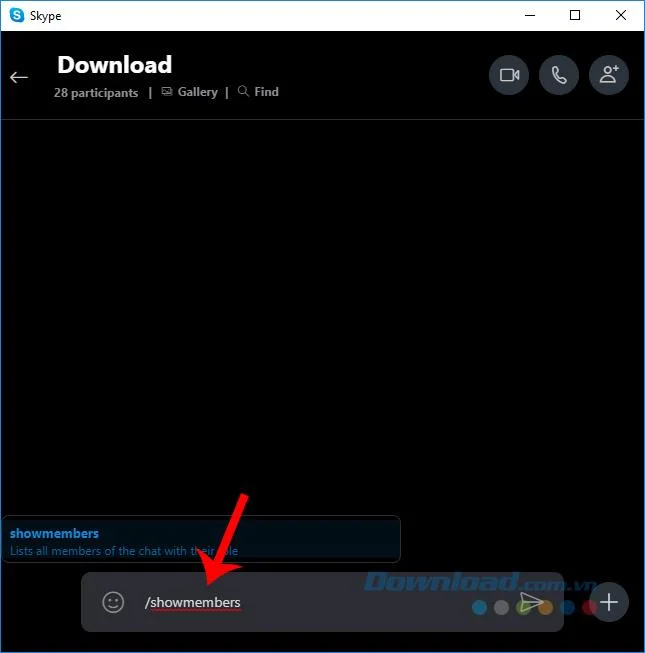 The command displays the membership and membership in the Skype chat group
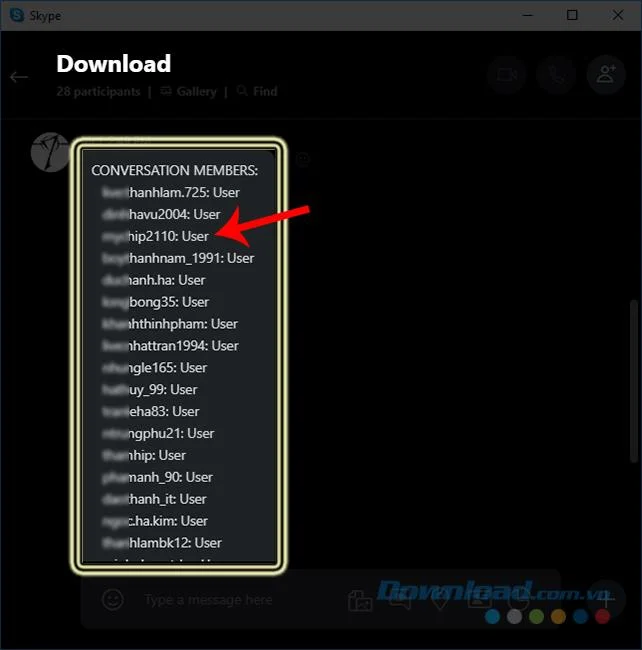 Currently, all members are User
 Command to turn any boundary into an administrator
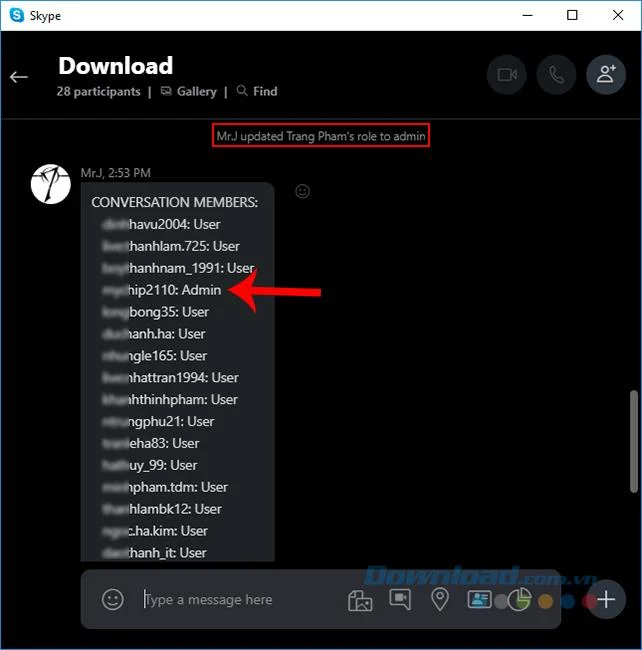 The rights of the selected member have changed









