Home
» PC Tips
»
How to Automate Daily Tasks in Windows 11
How to Automate Daily Tasks in Windows 11
Have you ever wished your computer could handle tedious daily tasks for you? Thanks to Power Automate in Windows 11, you can use your computer to do the work for you. Here's how to use it to automate repetitive daily activities and increase your productivity.
1. Clean up your desktop with the Daily Cleanup feature
There are better ways to store files off the desktop, but the desktop often becomes a dumping ground for screenshots, documents, and random files throughout the day—making your desktop a cluttered mess.
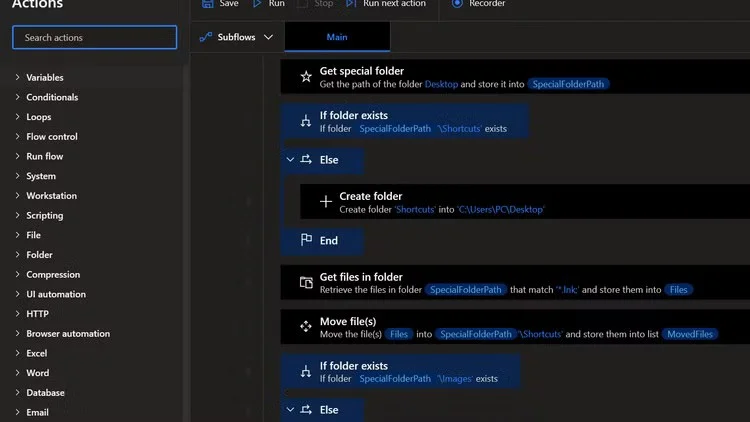
To fix this, create a Power Automate flow that automatically sorts files on your desktop into specified folders with just one click.
This flow runs daily at a set time (with Windows Task Scheduler), moving files to their respective folders based on file type. For example, all .docx, .xlsx, and .pdf files are moved to the Documents folder, image files like .jpg and .png are moved to the Images folder, and .lnk shortcut files are moved to the Shortcuts folder.
Setting this up is simple, using Power Automate's simple interface. First, open Power Automate for desktop and click New flow . Name your flow something descriptive like "Desktop Cleanup" and click Create . You'll be redirected to the main flow pane. Here, copy and paste the following script into the main flow area and click Save .
2. Documents are organized with version control automation
Version control isn't just for developers—it's a lifesaver for anyone who works with frequently updated files. You've probably had trouble keeping track of document revisions, often ending up with multiple versions scattered across different folders. Power Automate and OneDrive come to the rescue.
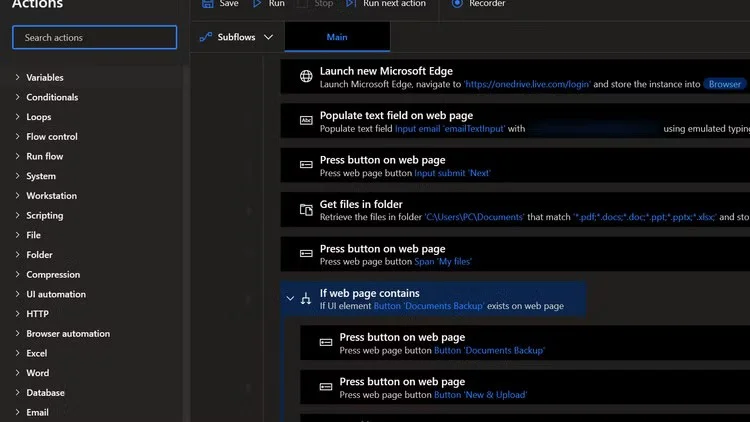
Set up a flow that automatically backs up your important documents, including PDFs and spreadsheets, to OneDrive whenever they're modified. The flow monitors specific folders for changes and syncs updated files to their respective folders.
This ensures you always have an up-to-date backup of your important documents in the cloud, making it easy to access previous versions if needed. It's like having a personal assistant who constantly keeps your files safe and organized without you having to lift a finger.
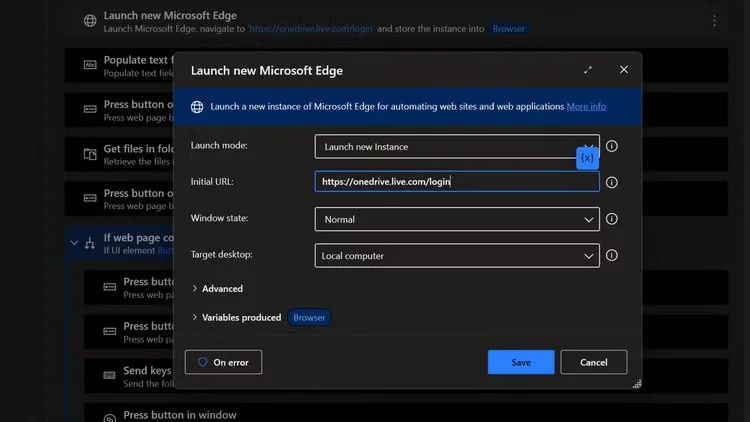
Note : To set up this flow, you must be signed in to your OneDrive account in your browser.
You should also set up timestamped versions in OneDrive, which allows you to track changes over time. If you accidentally overwrite a file or need to refer back to an older version, you can quickly restore it from OneDrive's version history.
3. Automate file conversions to save time
Working with files in different formats can be a headache, especially when converting them manually. You must have spent a lot of time on these tedious conversions until you started using Power Automate instead.
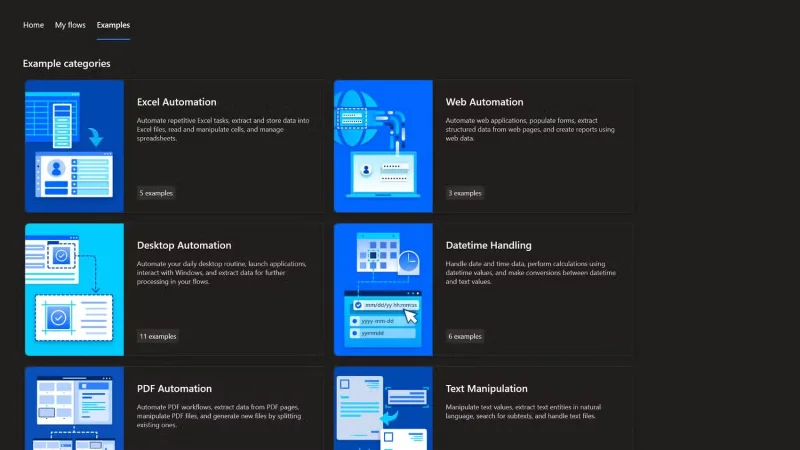
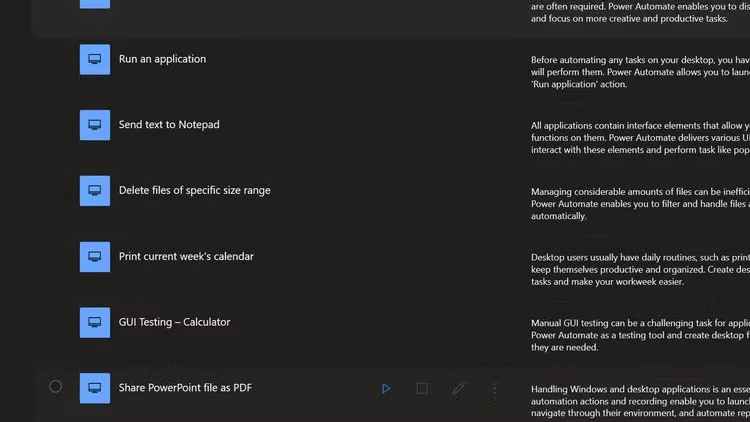
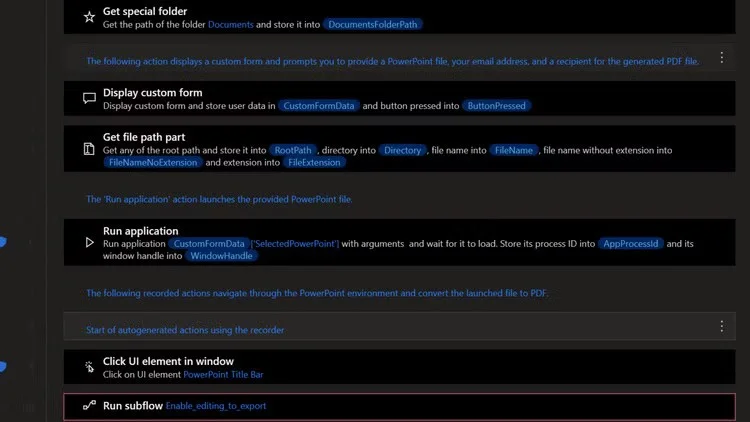
The Power Automate desktop app has several built-in file conversion flows. It monitors a designated folder for new files. Whenever a file is added—whether it’s a Word document or a PowerPoint presentation—the flow automatically converts it to the desired format, like PDF.
After conversion, flow moves the processed files to specific folders based on their type and purpose. This keeps everything organized and easy to find.
But the real time saver is the final step: Flow automatically shares converted files via email using Outlook. No need to manually attach them or fiddle with file paths. Just set it and forget it.
4. Power Automate for work-life balance
Maintaining a work-life balance can be challenging when your work and personal life are just a click away. It's easy to get work tasks done outside of scheduled hours. That's where Power Automate and Windows Task Scheduler come in.
For example, create a flow that closes work-related apps like Outlook, Teams, and your company VPN at a set time every evening. This helps you step away from work and enjoy your time without the temptation to constantly check notifications.
The thread is triggered by a scheduled task in Windows Task Scheduler, so it runs consistently at the scheduled time.
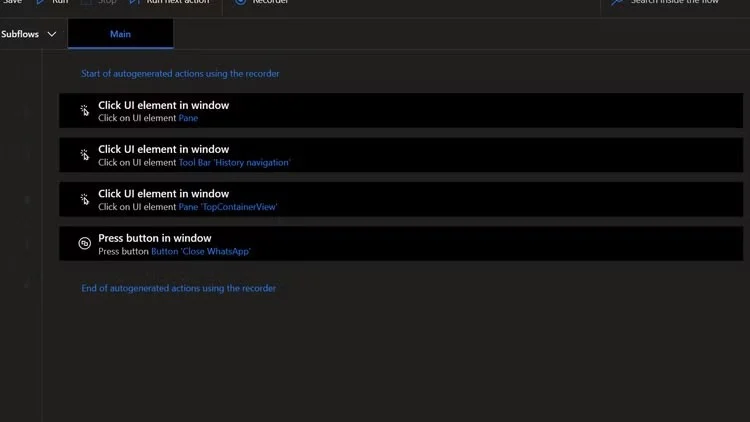
Create this flow using the recording feature in Power Automate Desktop. First, open the apps you want to close and start a new recording. Then, manually close each app while Power Automate records your actions. Once you stop recording, you have a basic flow that can replicate your app closing habits.
Next, edit the recorded stream to add error handling to ensure the stream can handle situations like the app not opening.
Creating a similar flow on the weekend enables a stricter “out of office” mode, which allows you to respond when you’re out of the office in Outlook, so the line between work and play is no longer blurred.