Put Collabora Behind Nginx Without Breaking WebSockets
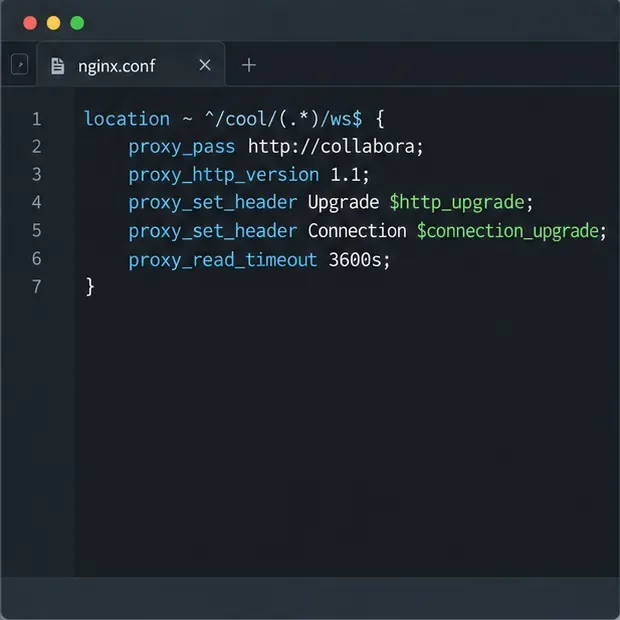
Configure Nginx TLS termination, Collabora routes, and WebSocket headers, then test the public endpoints before opening real documents.
For users of Facebook in general or other free chat tools such as Zalo , Skype , Viber ... changing the image of a chat account (avatar) is one of the ways they express their feelings. , refresh yourself, or simply express your personality, interests ...
Now you can change your Viber avatar on computers, Android phones and iOS extremely quickly. Invite you to follow the article below to know how to do it on both Android and iOS phones:
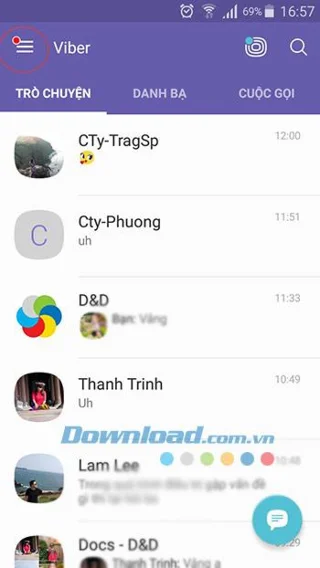
Step 1: At the main interface of Viber, click on the 3 dashes icon in the top left corner of the screen, then click on Edit next to the account name.
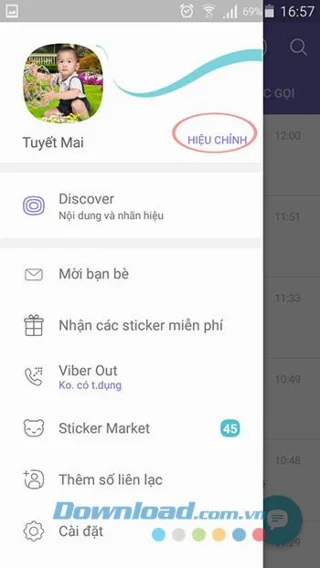
Step 2: Edit your details interface appears, click Change . There will be 2 options for you to change your Viber avatar: Take a new photo, Choose a new photo from the photo library.


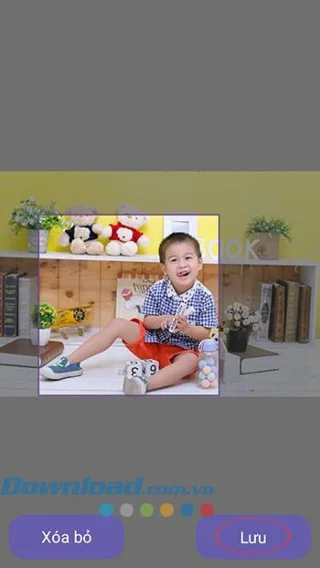
Step 3: After selecting a picture like that, adjust the square frame to cut the desired image. After editing the image, click the Save button . So you have replaced Avatar Viber successfully.

Step 1 : How to change the image is very simple. You only need to access the Viber account on your phone, from the main interface, touch the More (three dots icon) in the lower right corner of the screen. Then select the pencil icon as shown below.
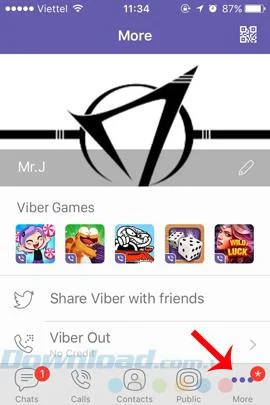
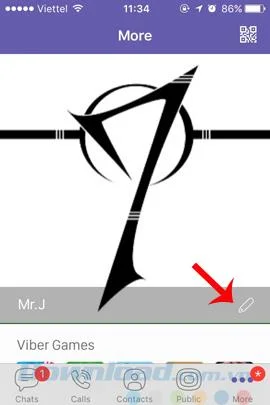
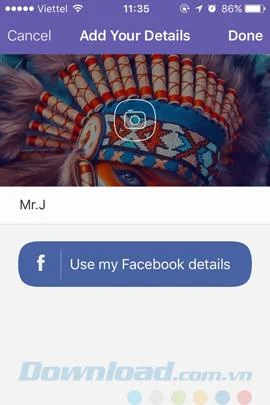
Step 2 : Add Your Details appears, we touch the camera icon in the middle of the screen to change the Viber avatar. Now a small list of options will appear, including:
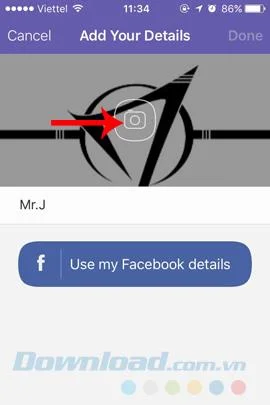
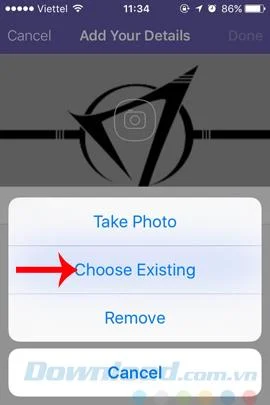
Choose where to get photos to use
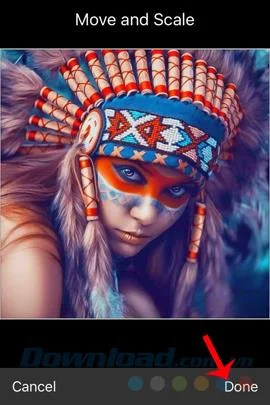
Step 3: You can choose one of those options. Use the front or back camera to take photos in Take Photo , or select from your phone the available photos (if using Choose Existing ). We can arbitrarily drag to zoom in, zoom out, change the image position accordingly and Done .
That's it, you can try chatting with friends to check. I wish you successful implementation!
Configure Nginx TLS termination, Collabora routes, and WebSocket headers, then test the public endpoints before opening real documents.
Trace a 10-minute CODE disconnect to its proxy, load balancer, or WebSocket path, then correct the timeout and verify the session stays connected.
Install the official Collabora Helm chart, configure WOPI access and ingress affinity, and verify the deployment without common setup mistakes.
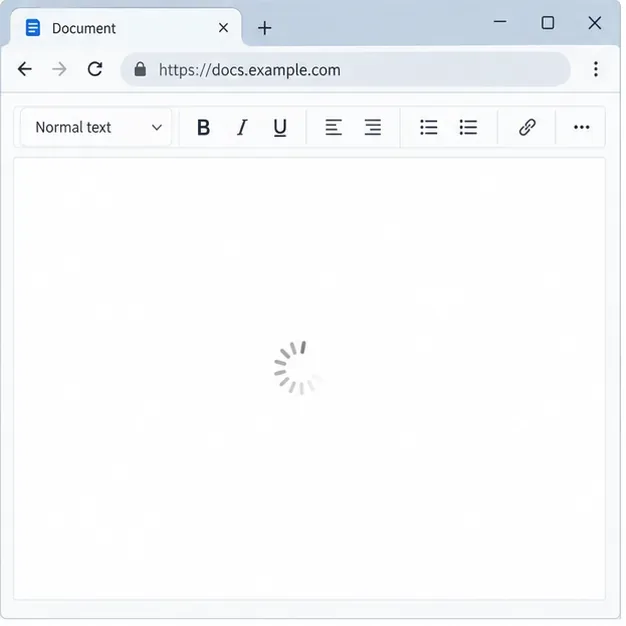
Use browser requests, WOPI logs, and targeted proxy checks to find why Collabora opens a blank document—and choose a fix that fits the evidence.
Configure CODE Docker dictionaries and tag document passages correctly so English, French, and other supported languages receive the right spell-checking.
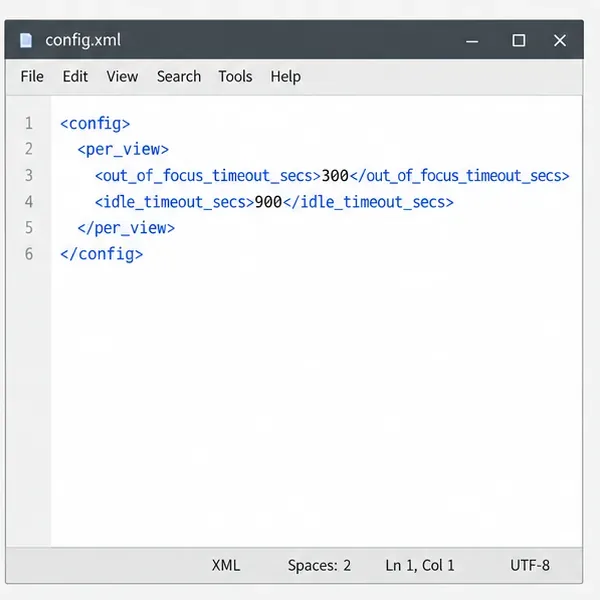
Adjust the per-view inactivity threshold in coolwsd and distinguish it from background-tab dimming, document unloading, autosave, and login expiration.
Stop scheduled CODE update checks, review optional remote services, and use outbound network controls without breaking document editing.
Enable secure document editing in Seafile by configuring Collabora’s discovery URL, HTTPS, and WOPI access for your deployment.
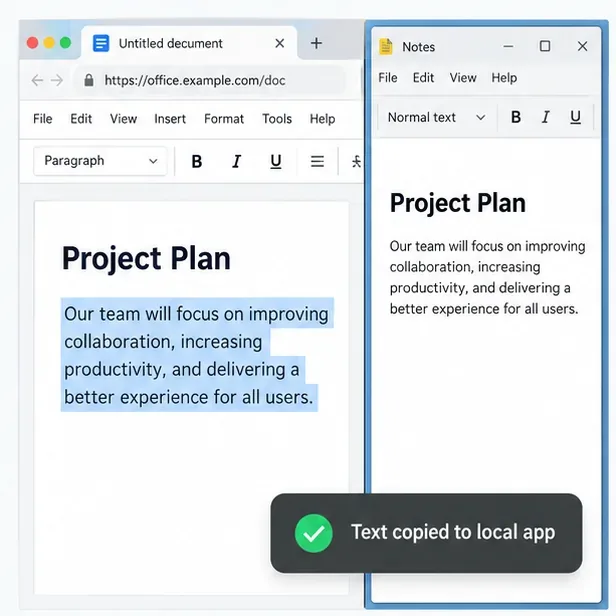
Test the system clipboard, adjust browser permissions, and identify when an embedded Collabora integration needs an iframe policy change.
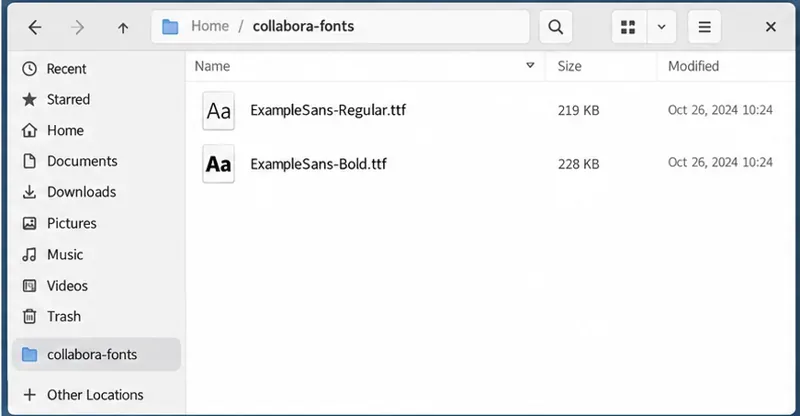
Mount font files into Docker and Collabora’s systemplate so custom typefaces appear in the editor and render correctly in documents.