Build a PipeWire Output Toggle Script That Moves Active Audio
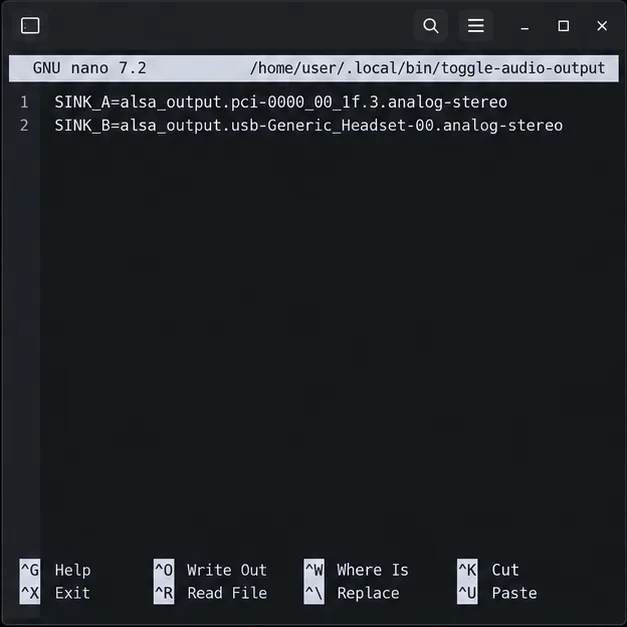
Switch Debian audio between named PipeWire outputs with a pactl script that updates the default sink and reroutes streams already playing.
With a constant stream of notifications and alerts on your Windows 11 laptop , staying focused becomes a challenge. So take control and customize your notifications to suit your needs.
Table of Contents
One of the best things to do to clean up your Windows notification panel is to turn off alerts for unnecessary apps and programs. This is especially useful for annoying apps.
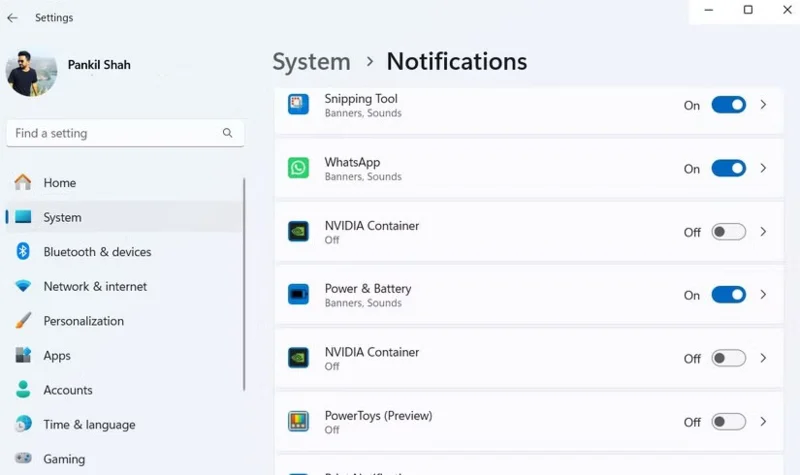
To do this, go to Settings > System > Notifications . Then, under " Notifications from apps and other senders ," scroll through the list of apps and use the toggles to enable and disable notification permissions for each app.
For essential apps like Outlook and WhatsApp, leave notifications on to make sure you don't miss anything important. However, for apps that constantly send unnecessary alerts - like social media or shopping apps - turn notifications off completely or mute them.
This app-by-app approach allows you to strike a balance, keeping essential notifications while eliminating distractions.
But it’s not just apps that bombard you with notifications. Windows 11 itself also sends you tips and suggestions constantly. While some of these tips and suggestions may be helpful at first, they quickly become more annoying than helpful. To get some peace of mind, turn off these alerts completely.
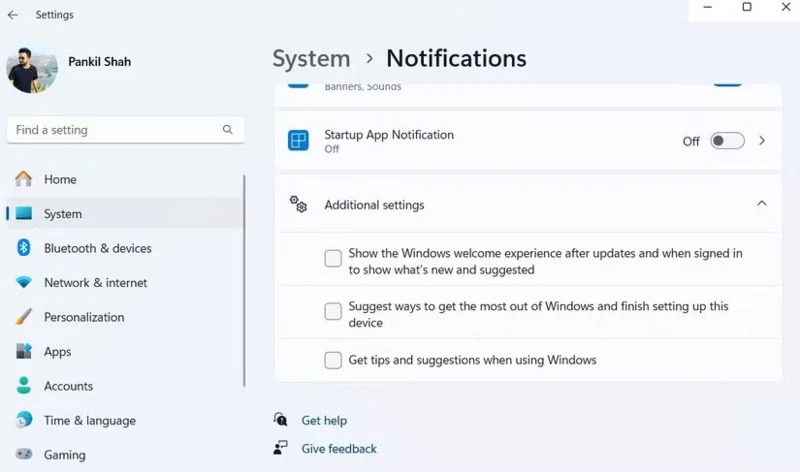
To easily fix this issue, open Settings > System > Notifications , scroll down and expand Additional settings . Just uncheck the 3 boxes about tips and suggestions related to optimizing your Windows experience.
And no more tips popping up at the most inconvenient times. Without these unnecessary reminders, you can focus on what matters, with fewer distractions throughout your day.
Even though I try to avoid accepting notifications from websites, they still creep in from time to time. Since most of these websites — whether news sites or online stores — tend to be actively updated, they are hard to ignore.
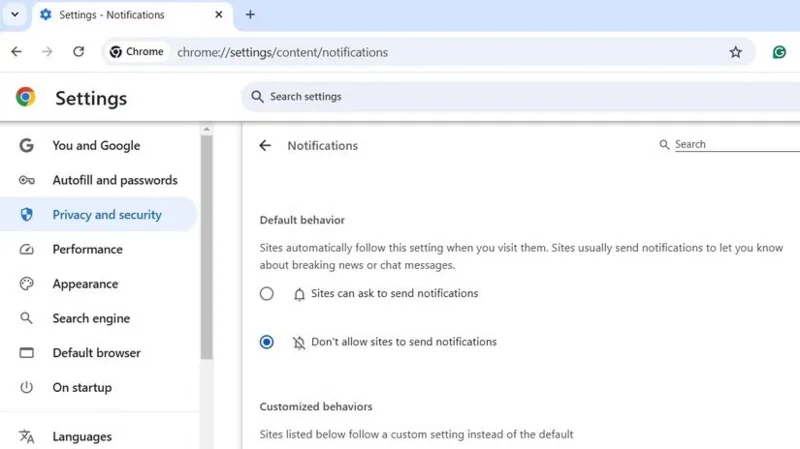
To take control, turn off notifications entirely in your browser. For Chrome, go to Settings > Privacy and security > Site settings > Notifications and select Don't allow sites to send notifications . The process is similar for browsers like Microsoft Edge and Mozilla Firefox.
Since many people only lock their Windows PCs when they leave their desks, lock screen notifications aren't really useful to them. In fact, they often just make noise when they're away, which many people find annoying.
To stop them, go to Settings > System > Notifications , then expand the Notifications section. There, just uncheck the Show notifications on the lock screen option .
With this simple change, your lock screen will now stay clean and silent. No more worrying about random alerts interrupting your quiet time.
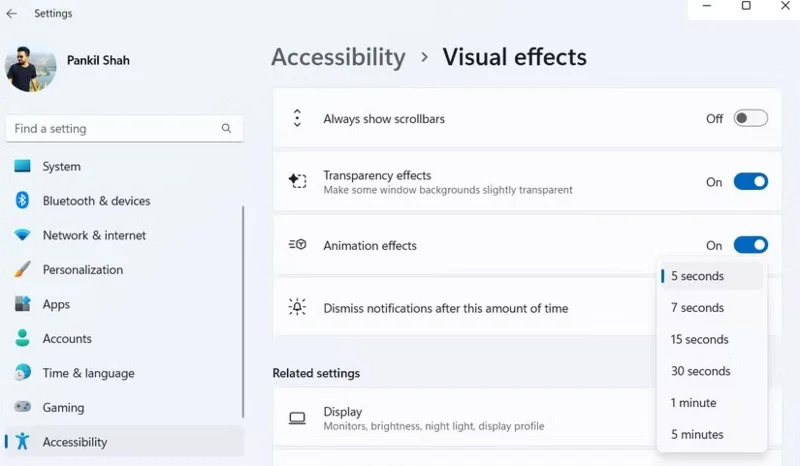
By default, Windows 11 only displays notification banners for 5 seconds. While this works well for short alerts with minimal information, it's too short for detailed notifications that require a closer look.
To fix this, go to Settings > Accessibility > Visual effects . There, use the Dismiss notifications after this amount of time drop-down menu to increase the timeout.
Choosing a longer time period gives you the flexibility to ensure you have enough time to read and process important notifications without feeling rushed or missing out on important information.
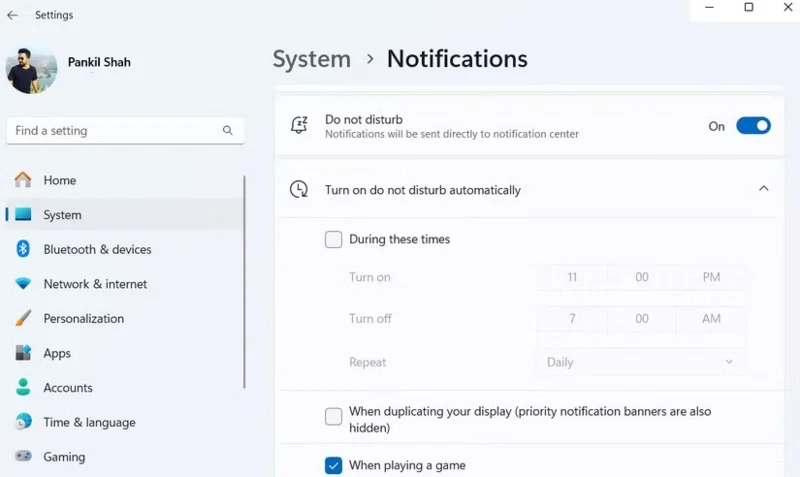
Sometimes, you need to focus completely on a task and eliminate all distractions. For those times, use Do Not Disturb on Windows. This feature blocks all notifications - whether from apps, messages, or system alerts - allowing you to work uninterrupted and fully immerse yourself in your task.
Luckily, Windows makes it quick and easy to turn Do Not Disturb on or off. Just open the Notifications panel with the Win + N keyboard shortcut and click the Do Not Disturb icon at the top. This lets you focus when you need to without having to worry about manually turning off notifications all the time.
The ability to automate this feature is really appreciated. For example, set Windows to automatically enable Do Not Disturb at specific times, such as when you're playing a game or using an app in full-screen mode. To configure this feature, go to Settings > System > Notifications and use the checkbox under "Turn on Do Not Disturb automatically."
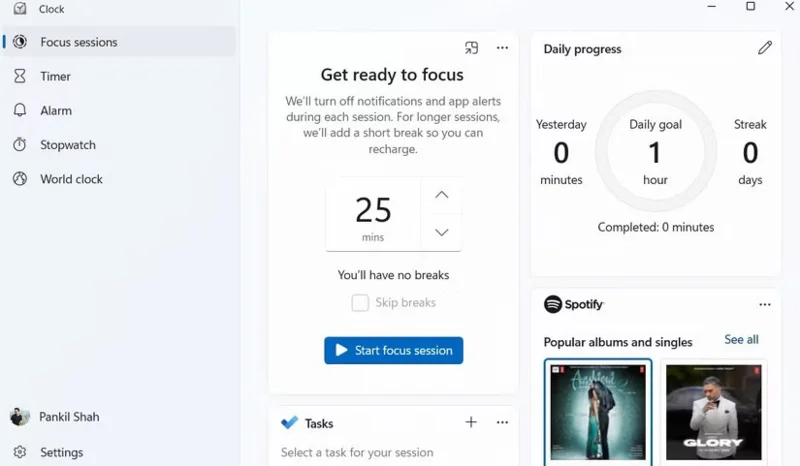
Focus Sessions on Windows 11 work similarly to Do Not Disturb mode, but take it a step further. They're built right into the Windows Clock app and allow for a truly distraction-free environment.
What makes Focus Sessions useful is that it not only blocks notifications but goes further by preventing apps from showing notification badges or flashing in the taskbar.
Another great feature is the seamless integration with Spotify. You can choose a playlist or background music to help you focus, all within the Focus Sessions tab. Additionally, integration with the Microsoft To Do app lets you track tasks and check them off as they’re completed, helping you stay organized and focused.
Finally, setting priority notifications ensures you don't miss any important alerts while Do Not Disturb is active.
By default, apps like Clock and Snipping Tool are set as priority notifications, but you can add some of your own. To do this, go to Settings > System > Notifications > Set priority notifications . There, tap Add apps and select the apps you never want to miss notifications from.
This allows you to focus during work hours while still ensuring that important notifications still reach you.
Overall, the above tips will help you turn your Windows 11 experience into something much more peaceful. You should try them to have a more enjoyable and productive Windows 11 experience.
Switch Debian audio between named PipeWire outputs with a pactl script that updates the default sink and reroutes streams already playing.
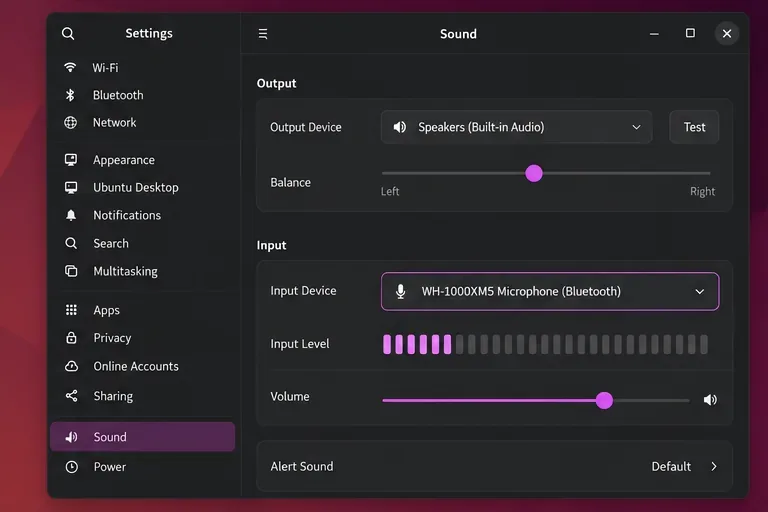
Get your Bluetooth headset mic working by selecting the right input, using a hands-free audio profile, and checking Ubuntu’s PipeWire route.
Learn why Flatpak apps may ignore Ubuntu 24.04 GTK themes and follow safe steps to check theme extensions, refresh Flatpak apps, and diagnose portal issues.
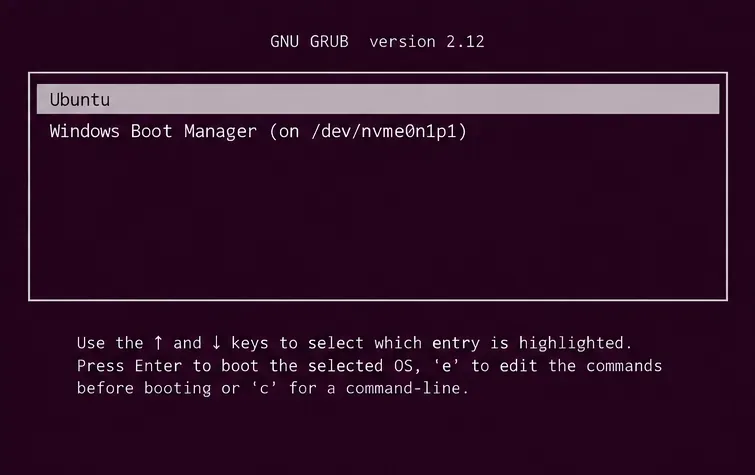
Install Ubuntu 24.04 alongside Windows 11 with BitLocker safely. Compare separate-drive and shared-drive paths, recovery keys, partitioning, and boot checks.
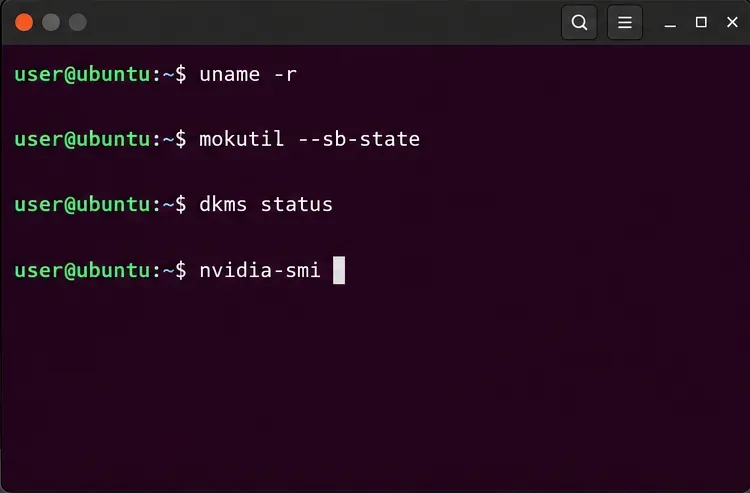
Diagnose NVIDIA driver failures after an Ubuntu kernel update. Check DKMS and Secure Boot, rebuild the matching module, enroll a MOK, and verify the fix.
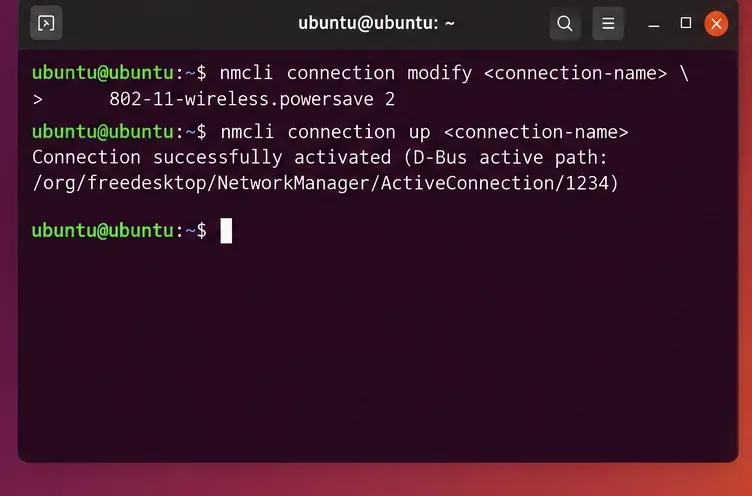
Fix Ubuntu 24.04 Wi-Fi drops after suspend with checks for NetworkManager, radio blocks, updates, power saving, and drivers—then verify each resume.
Learn why tracker-miner-fs-3 uses high CPU in Ubuntu GNOME and how to check indexing, exclude folders, update Ubuntu, or safely rebuild the search index.
Fix Debian’s UEFI boot error by checking boot mode, the EFI System Partition, GRUB files, and firmware boot order—without reinstalling Debian first.
The Outlook Inbox Repair Tool fixes corrupted PST files quickly so you can recover emails and restore normal Outlook function. Follow these exact steps to run scanpst.exe without data loss.
Get the Adobe PDF Installer Offline to install Acrobat Reader on any PC without needing internet during setup. Follow these exact steps for the full standalone package.