Pardus 23 APT Errors: Check DNS and the yirmiuc Repositories
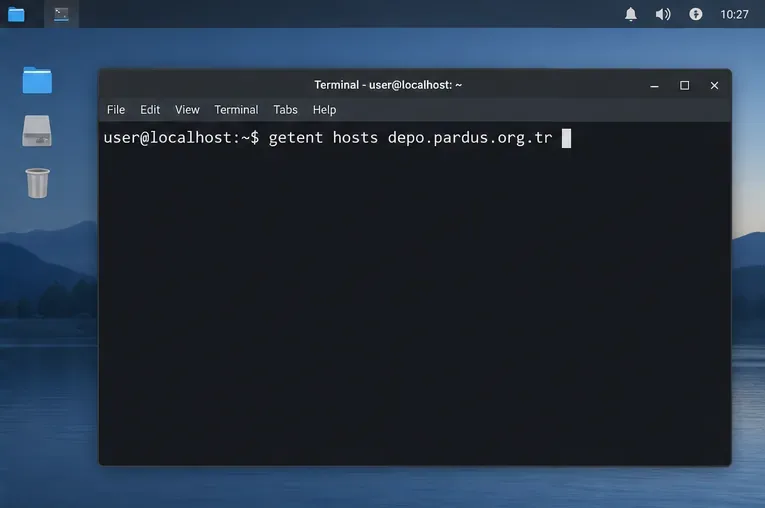
Diagnose Pardus 23 APT connection failures, confirm the official yirmiuc sources, and restore apt update without bypassing package signature checks.
Windows 11 offers a simplified Start menu layout. However, it may not be easy to navigate right out of the box. Luckily, you can easily customize the Start menu to make accessing the apps and files you use much easier.
1. Change the layout to accommodate more pinned apps
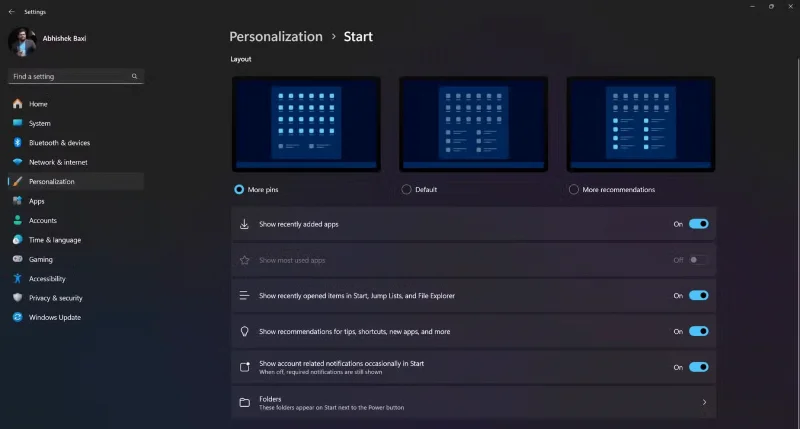
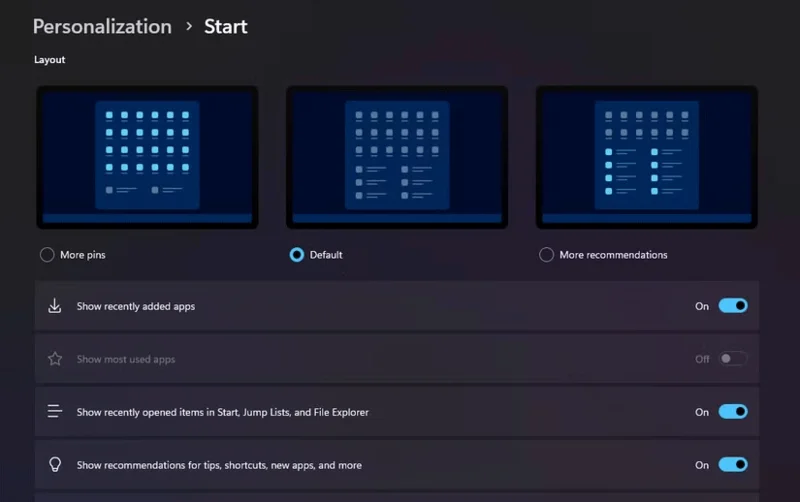
The default Start menu in Windows 11 includes a combination of pinned apps and a dynamic section for suggested apps and files.
However, not everyone finds the reduced space for pinned apps ideal. If you rely on quick access to a lot of apps, you may want to adjust your layout to prioritize pinned apps.
To show more pins in the Start menu:
By maximizing the number of pinned apps, you can quickly navigate to frequently used apps without having to scroll or search every time!
Tip : Of course, if you're only working with a handful of apps, you might want to select the More recommendations setting to reduce your pinned apps to just two rows.
2. Add quick access to system folders
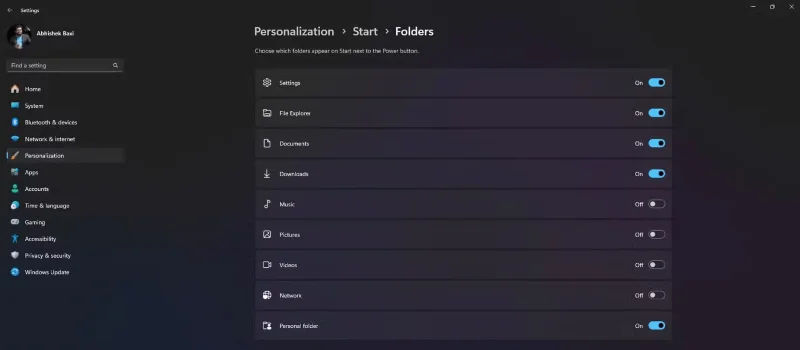
By default, the Start menu doesn't have quick access to important system folders like Settings, File Explorer, and Downloads. In fact, these are some of the most frequent destinations in everyday tasks, so having them available in the Start menu can save time.
Luckily, you can re-add these shortcuts for faster navigation.
Once enabled, these quick access shortcuts will appear as small icons in the lower right corner of the Start menu next to the Power button. By adding these shortcuts, you can quickly access essential system locations without navigating through multiple menus.
3. Personalize more Start menu options
In addition to layouts and shortcuts, Windows 11 offers additional customization options to personalize your Start menu.
For example, the Start menu shows suggestions for apps you might want to install. If you find these suggestions irrelevant, you can turn them off. To do so, go to Personalization > Start and turn off Show app suggestions .
You can also customize the suggestions below your pinned apps. In Start settings, turn on Show recently added apps or Show recently opened items . If you prefer a cleaner look, you can turn off suggestions entirely.
You can also create app folders in the Start menu. For better organization, group related apps into folders by dragging one app icon on top of another to create a folder. You can then rename the folder to something descriptive.
This helps keep the Start menu organized and is similar to how many of us organize the home screen on our smartphones.
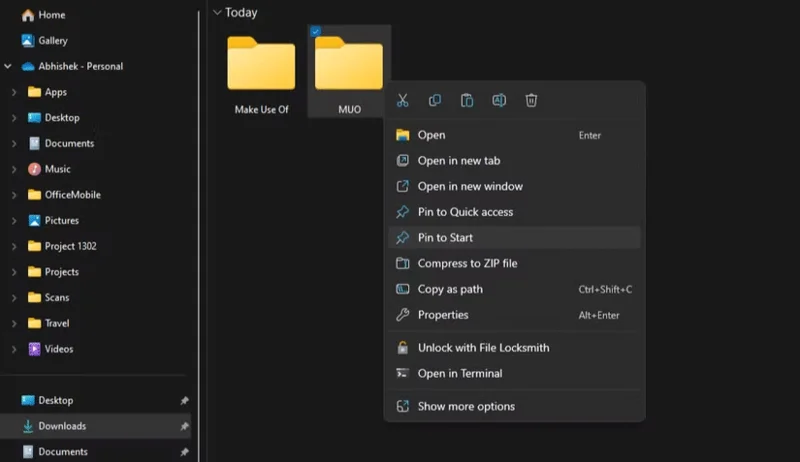
Although we discussed enabling quick access shortcuts for system folders, we often work with specific folders that are hidden inside other folders. To quickly access those folders, you can pin them to the Start menu, where they appear alongside pinned apps.
Just right-click any folder while browsing it in File Explorer, select Show more options and select Pin to Start .
And of course, you can also change the alignment of the Start menu. While the default center alignment is the hallmark of Windows 11, you can go back to the classic left-aligned Start button if you prefer.
By exploring these options, you can truly make the Start menu your own, aligning it with your preferences and daily workflow. In addition to customizing the Start menu for efficient and personalized navigation, you can also explore additional features like color schemes, transparency effects, and more to personalize your Windows experience.
Diagnose Pardus 23 APT connection failures, confirm the official yirmiuc sources, and restore apt update without bypassing package signature checks.
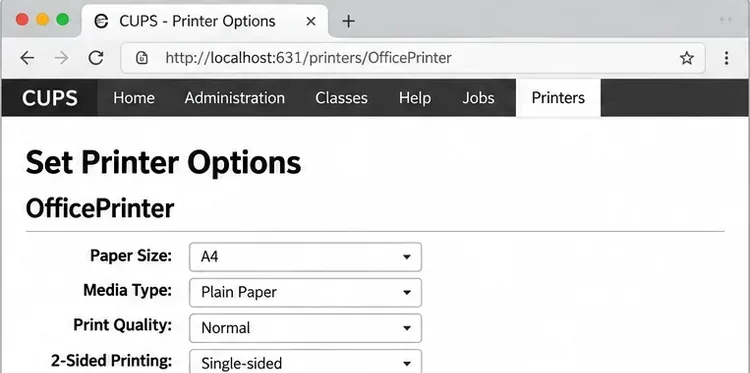
Configure printers on Harmonica OS using CUPS, compare driverless IPP with legacy drivers, and verify USB or network printing with a test page.
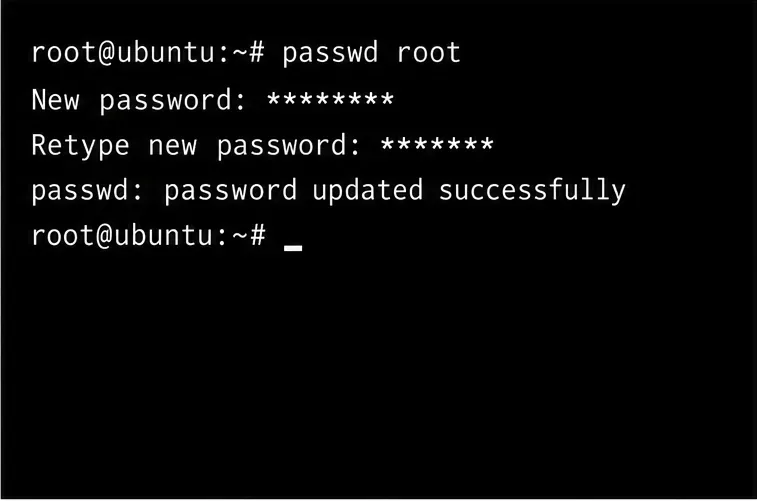
Use a recovery shell to set a new Harmonica OS root password, with checks for encrypted disks, read-only filesystems, and accounts that use sudo.
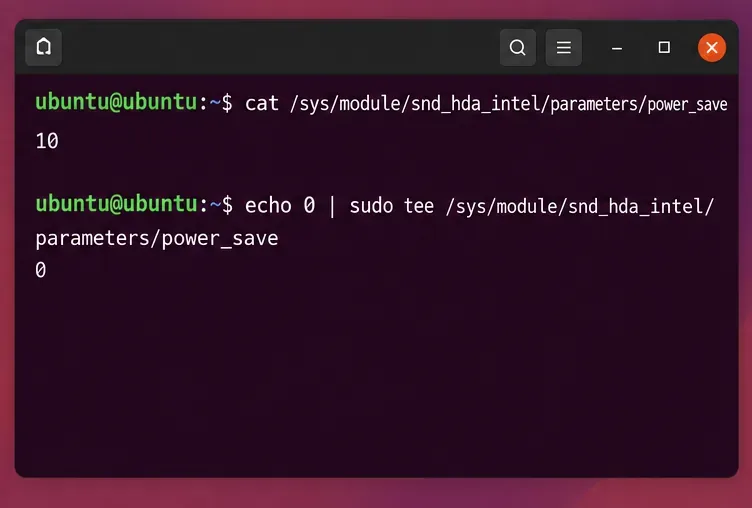
Trace whether clipping, ALSA format conversion, or HDA power saving is causing Ubuntu 24.04 audio distortion, then apply the matching reversible fix.
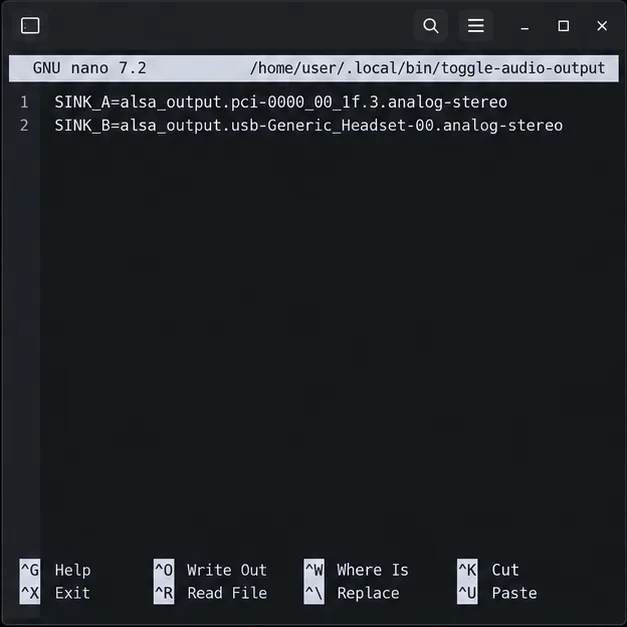
Switch Debian audio between named PipeWire outputs with a pactl script that updates the default sink and reroutes streams already playing.
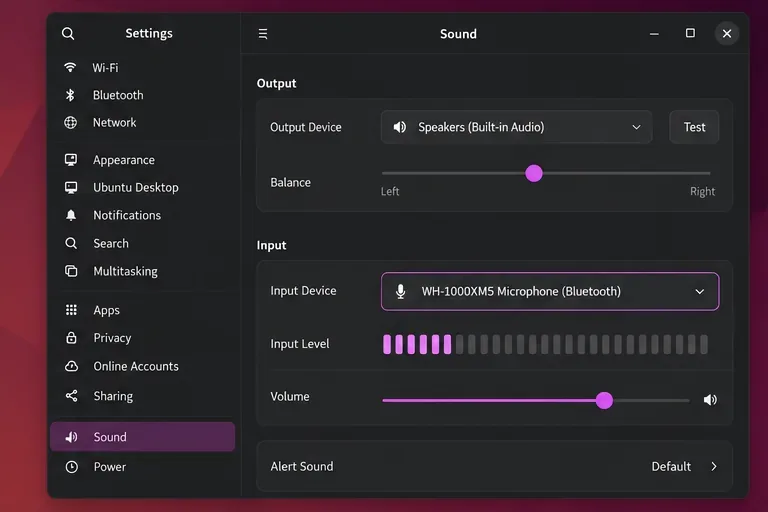
Get your Bluetooth headset mic working by selecting the right input, using a hands-free audio profile, and checking Ubuntu’s PipeWire route.
Learn why Flatpak apps may ignore Ubuntu 24.04 GTK themes and follow safe steps to check theme extensions, refresh Flatpak apps, and diagnose portal issues.
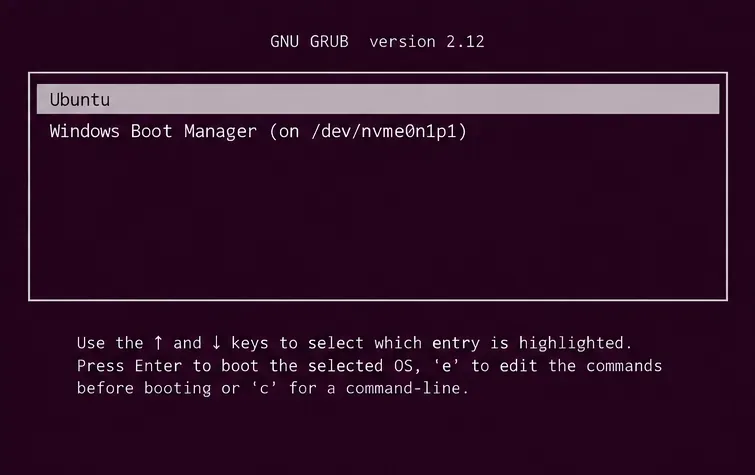
Install Ubuntu 24.04 alongside Windows 11 with BitLocker safely. Compare separate-drive and shared-drive paths, recovery keys, partitioning, and boot checks.
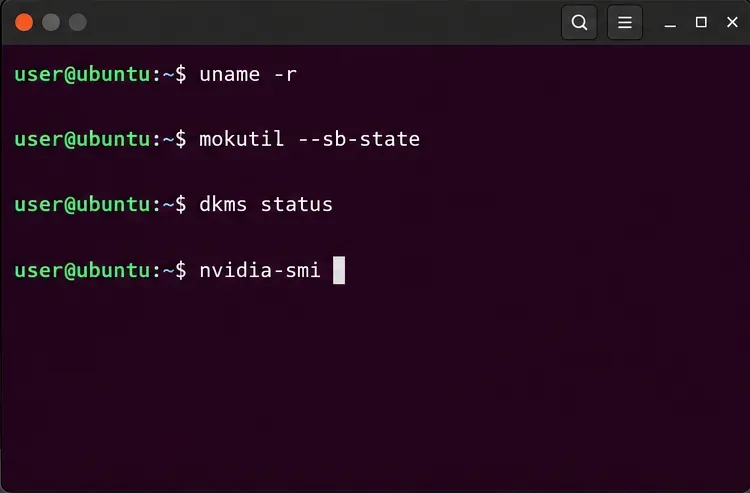
Diagnose NVIDIA driver failures after an Ubuntu kernel update. Check DKMS and Secure Boot, rebuild the matching module, enroll a MOK, and verify the fix.
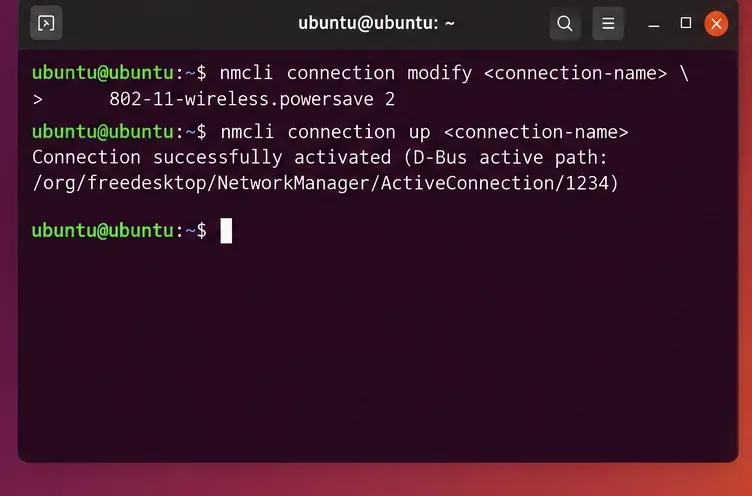
Fix Ubuntu 24.04 Wi-Fi drops after suspend with checks for NetworkManager, radio blocks, updates, power saving, and drivers—then verify each resume.