Home
» How to
»
How to pin messages in Viber chat group
How to pin messages in Viber chat group
Video How to pin messages in Viber chat group
The new Viber allows users to pin important messages so team members can read them right away, without having to search manually. However, you must be an administrator of the group to pin the conversation to the top.
The pinning feature in chat group supports both Android and iOS platforms. You only need to update to the latest version, then follow the steps below to pin messages to the top of the conversation easily:
Instructions to pin messages in group chat on Viber
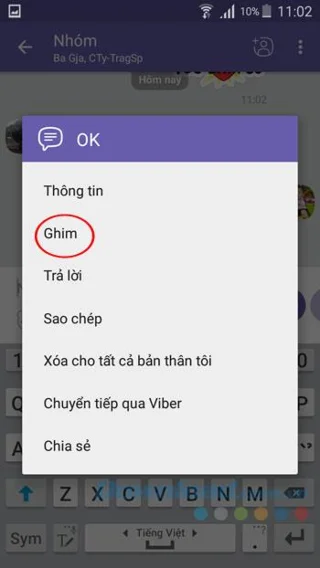
Step 1: Open up a Viber group conversation, press and hold on the message that needs to be highlighted, and then select Pin in the list of options. When the message Pin confirmation dialog appears, select Pin to agree. The message will then be pinned to the top of the conversation.
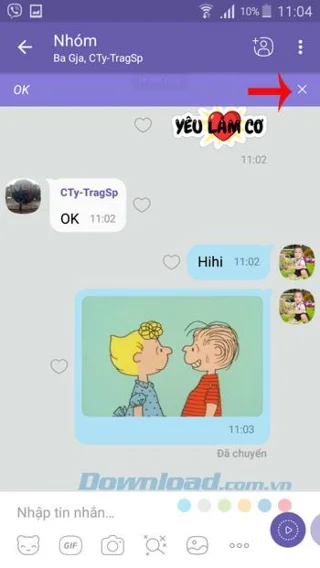
Step 2: When you want to remove a pinned message in group conversation, just click the X icon next to the pinned message in the top corner of the conversation. When the Delete Pin dialog box appears , click OK to unpin the message. So the message will no longer appear at the beginning of the conversation.
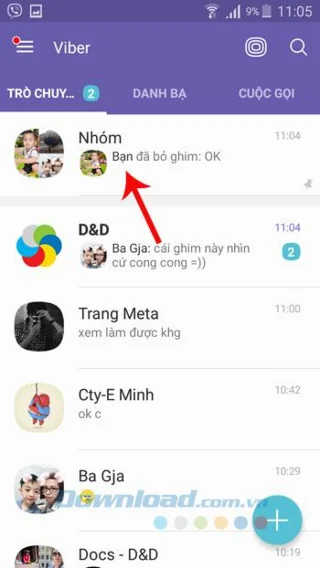
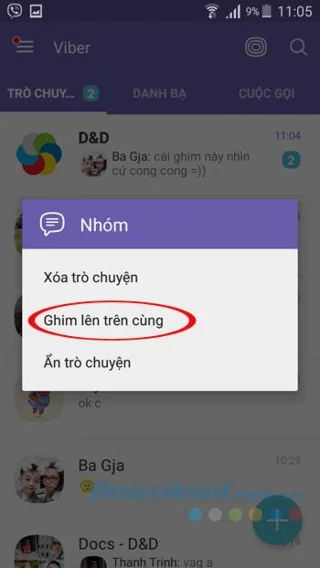
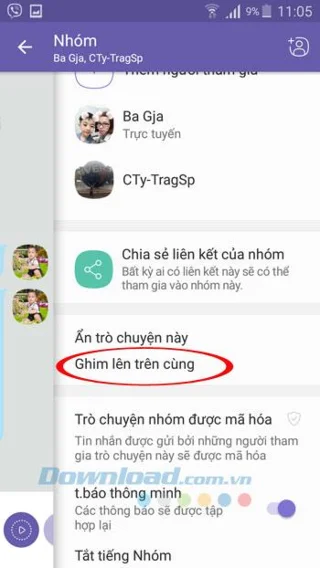
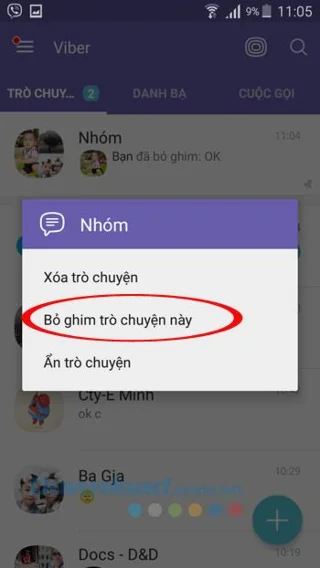
Step 3: You can also pin the conversation to the top to open it quickly when needed. Just hold down the group you want to pin to the top, select Pin to top or tap the name of the chat group you want to pin, then select Pin to top . When you return to the Viber chat list, you will see this group chat appear at the top, with a pin icon. When you want to unpin chat group just do the same, then select Unpin this chat and you 're done.
Instructions for pinning messages in Viber chat group
So you know how to pin important messages and pin conversations to the top. However, this feature can only be used in group chats. The latest Viber also allows Reply messages in group chat extremely convenient.