Home
» PC Tips
»
How to uninstall and reinstall WiFi driver on Windows 11
How to uninstall and reinstall WiFi driver on Windows 11
When troubleshooting network issues, you will need to look for your computer's WiFi drivers. If you determine that an invalid driver is causing your network issues, you can reinstall the WiFi driver to fix the problem.
While uninstalling the WiFi driver is quite easy, the reinstallation process can be tedious. So in today's article, Quantrimang.com will guide you on how to uninstall and reinstall the WiFi driver in Windows 11 properly.
How to uninstall WiFi driver in Windows 11
An easy way to remove a WiFi driver is through Device Manager . You can use Device Manager to troubleshoot Windows drivers, view driver information, etc.
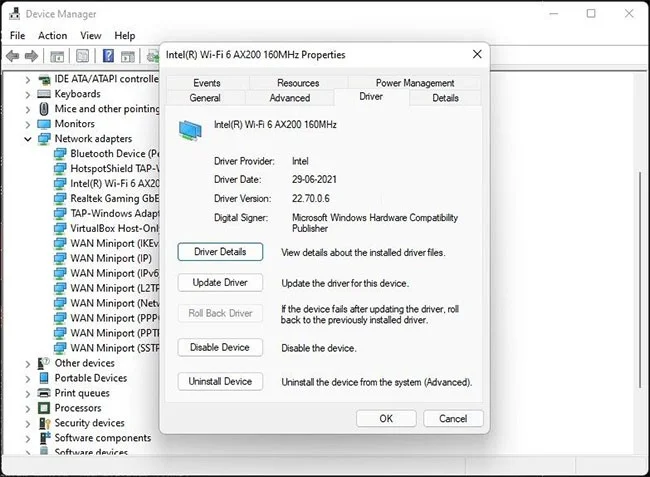
4. Right-click on the wireless driver and select Properties. Depending on your computer manufacturer, you may have Intel or other wireless drivers.
View wireless driver information
5. In the Properties window , note the WiFi adapter name and driver version. This step is optional, but this information is useful if you want to download the driver to reinstall it manually.
6. Click OK to close the Properties window.
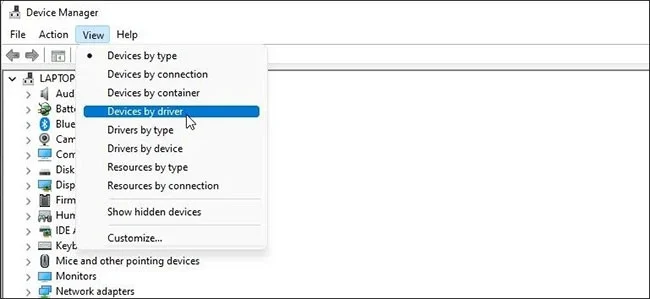
7. In Device Manager , click View > Devices by driver . This will display all devices by driver.
View devices using Device Manager by driver
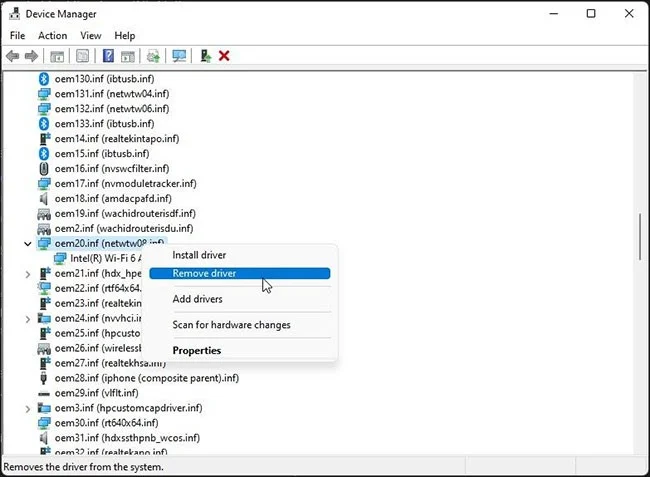
8. Right-click on the oem20.inf (netwtw08.inf) driver package for the WiFi device and select Remove Driver.
Remove Driver Option
9. Here, select the option Uninstall this driver on any devices that currently use it and Attempt to force removal of this driver while it is still in use by devices .
Uninstall device driver
10. Click Remove to uninstall the driver. This process may take a few seconds to complete.
This will successfully uninstall the WiFi driver without removing the WiFi adapter. Windows will temporarily revert to using the generic Microsoft wireless driver.
The next step is to reinstall the WiFi driver. There are several ways to install the WiFi driver in Windows. While you can use the Update Driver feature in Device Manager, it is not very reliable.
Here are two ways to download and install the latest wireless driver version in Windows.
How to reinstall WiFi driver in Windows 11 using Windows Updates
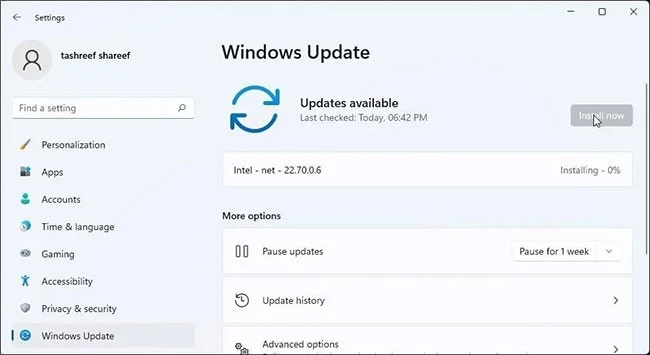
Install Intel driver updates
Microsoft provides important system updates from third-party vendors along with Windows updates. You can download and install them from the Settings app. Here's how to do it.
3. Click Check for updates . Windows will then scan for missing system updates and download a wireless driver update for your WiFi adapter. This is an automatic process, so wait for the installation to complete.
How to manually reinstall WiFi driver from manufacturer's website
Reinstall WiFi driver manually from manufacturer's website
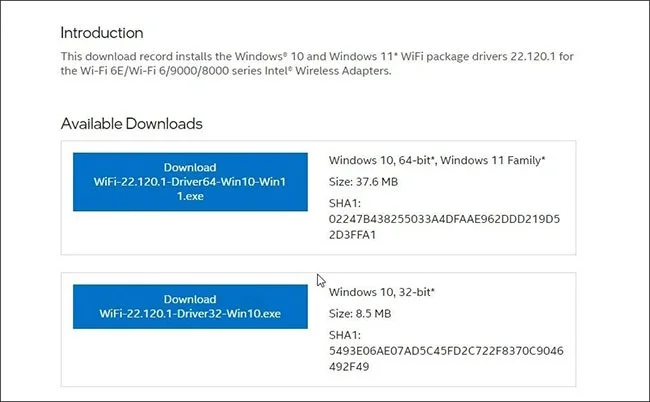
You can also download and install the latest version of the WiFi driver from the manufacturer's website. For example, if you use an Intel WiFi adapter, you can download a newer driver from Intel's Download Center.
The steps below are for Intel WiFi adapter drivers, but should apply to all WiFi adapter vendors.
2. Enter your WiFi adapter model number in the search bar to find all drivers.
3. Click Windows 10 and Windows 11 Wi-Fi Drivers for Intel Wi-Fi Adapters from the search results.
4. Click the Download button to download the WiFi driver package.
5. Run the installer and follow the on-screen instructions to complete the installation.
Now you will have the latest WiFi driver version on your PC.
To verify the driver version, open Device Manager, right-click on the WiFi adapter and select Properties. Next, open the Drivers tab to verify the driver version.
You can also use your computer manufacturer's companion app to download new drivers. For example, Lenovo's Vantage and HP's Support Assistant let you scan for new drivers and install them directly from the app.
Windows does a great job of automatically managing system driver requirements. However, you will often need to uninstall and reinstall your WiFi driver for troubleshooting purposes. You can use Device Manager to uninstall the driver and then reinstall it using Windows Updates.
However, if the network problem persists, try using the built-in troubleshooter or performing a network reset to resolve the issue.