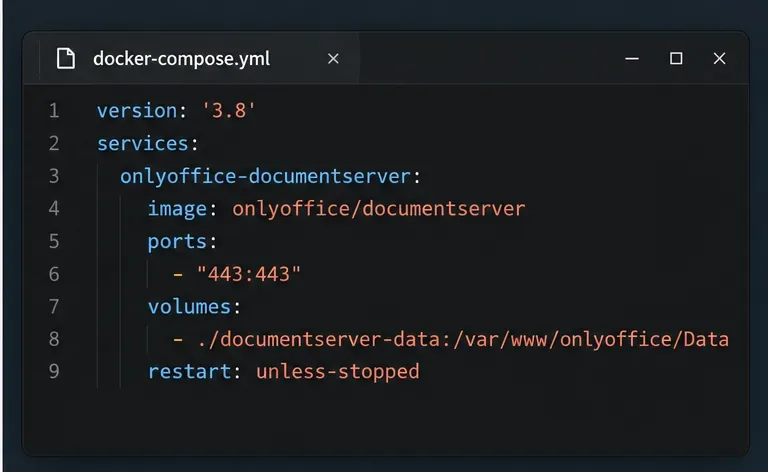
Stop Unwanted Printing and Downloads in ONLYOFFICE
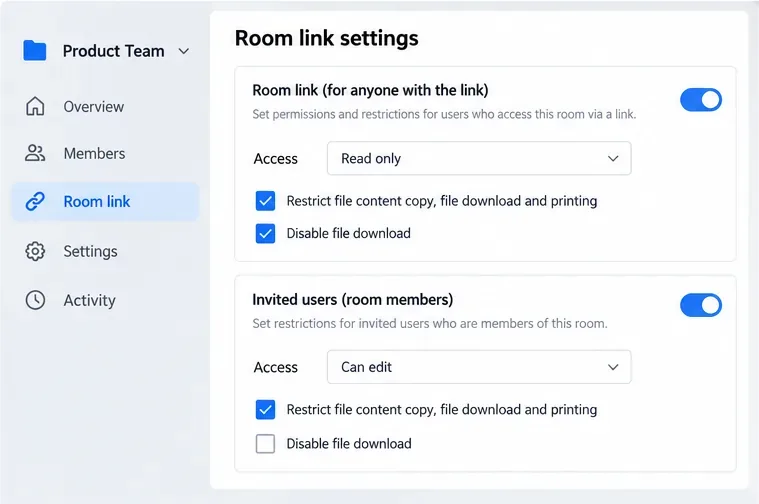
Set print and download limits for ONLYOFFICE links, room members, or Docs API sessions, then verify the restrictions from a recipient account.
By default, Chrome OS is great at picking out the best apps for a specific purpose, but sometimes that's not what you want. While you can easily choose the applications you need, you can also change the default options quite easily. The following article will show you how to change the default apps on Chromebooks.
With Android, you can put the default apps in a central location, but for Chrome OS, you have to open a file to change the default for that file type. For example, you are preparing to use an image file, but it will work the same no matter what you are trying to open.
Open the file manager and navigate to the file you want, then click once on the file. To the right of the navigation bar, you'll see the Open option with a down arrow on the side. You click on that arrow.
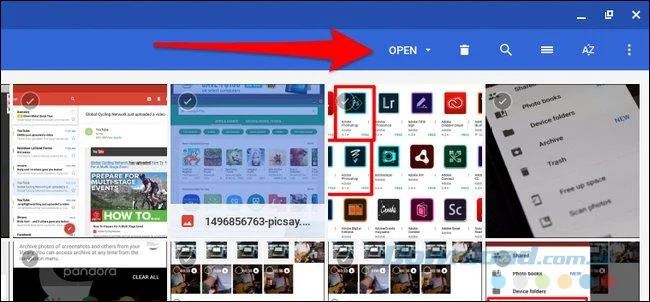
A list of applications will appear, find and select Change Default.
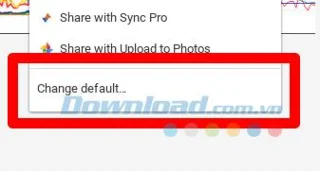
In the next list, click the option that you always want to open this file with Open with ...
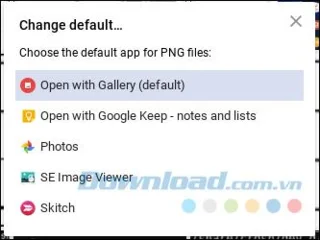
Please note that some applications cannot be set as default, so you will have to run them manually.
If the application you want to use as default cannot be set to default or just wants to use another application for specific tasks, you can also open the file in a specific application on a per-boot basis. run.
Navigate to the file you want to open, then click on it. Click Open on the right side of the navigation bar, then select the app you want to open that file.
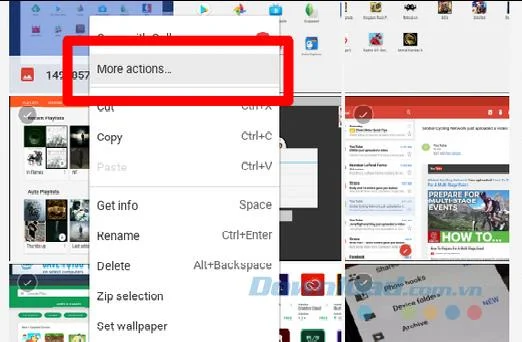
Alternatively, you can right-click the file, then select More Actions, which will open a list of applications compatible with that particular file type.
Set print and download limits for ONLYOFFICE links, room members, or Docs API sessions, then verify the restrictions from a recipient account.
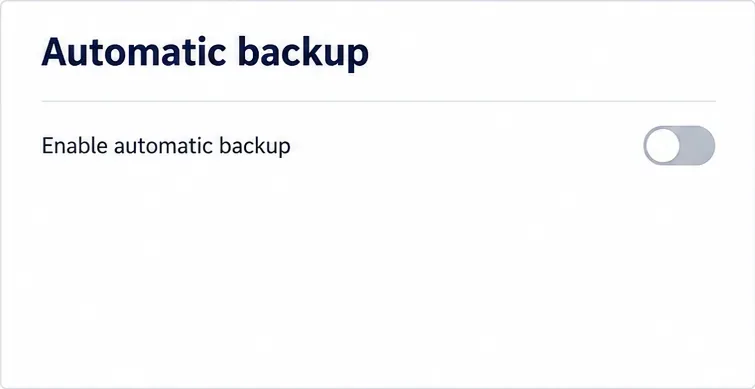
Set a backup destination, schedule, Mail coverage, and retention limit in ONLYOFFICE Workspace, then verify the archive is ready to restore.
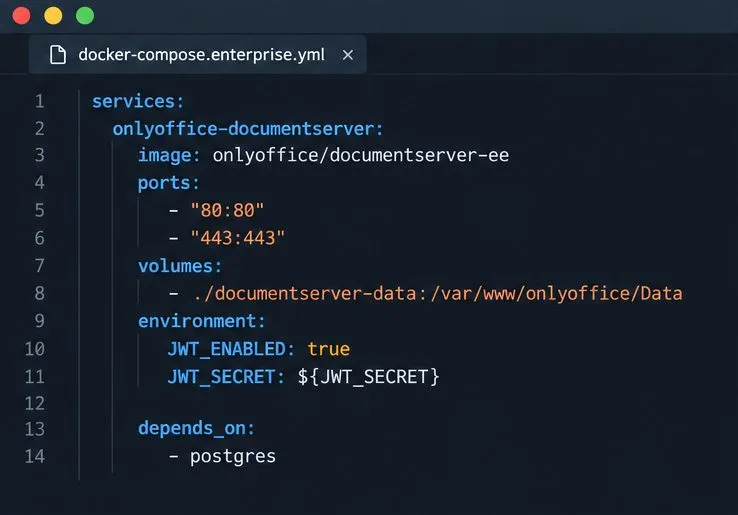
Start the Enterprise Docker Compose stack, persist its license and data, configure JWT safely, and confirm the editors are ready to integrate.
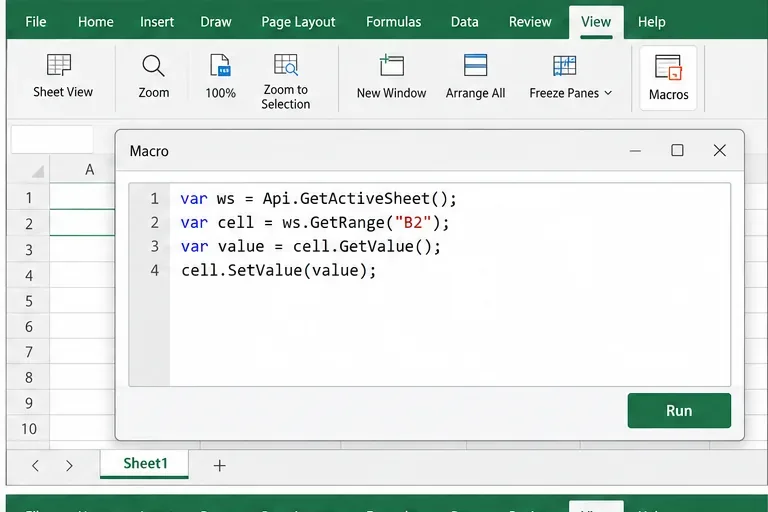
Use an ONLYOFFICE JavaScript macro to remove nonprinting characters and trim extra spaces from a defined spreadsheet range, with a safe review workflow.
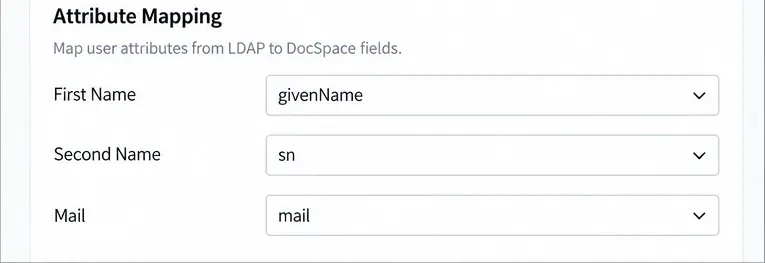
Connect ONLYOFFICE DocSpace to Active Directory or OpenLDAP, import users and groups safely, map account fields, and schedule reliable synchronization.
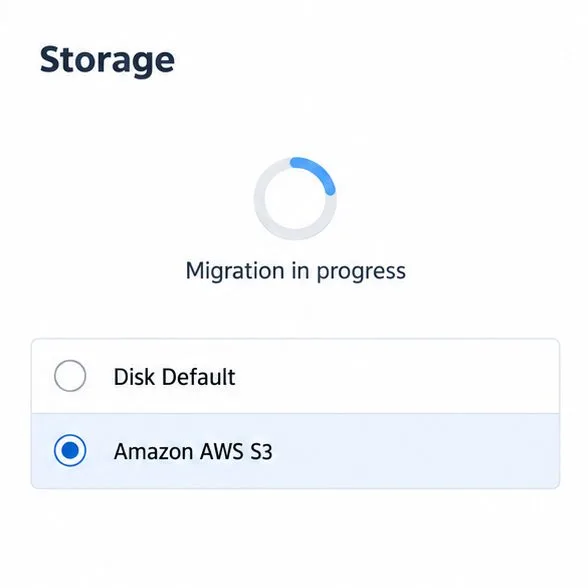
Move portal data from Disk Default to a supported cloud storage provider, or relocate Docker data safely by changing its host volume mapping.
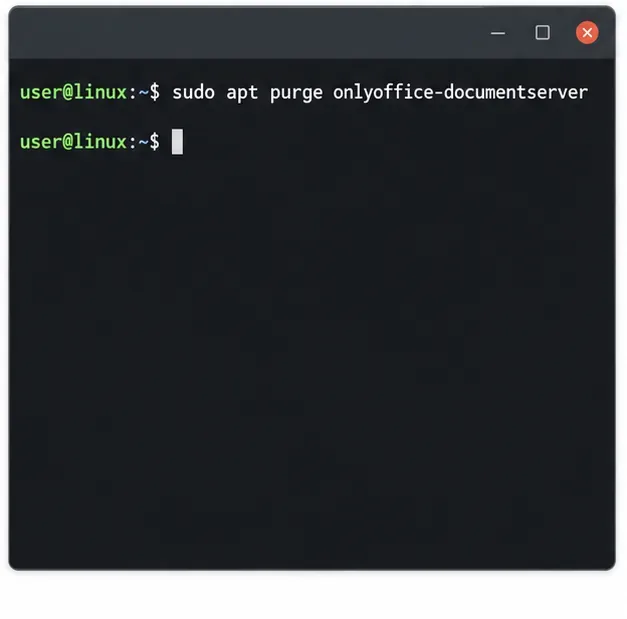
Identify whether Document Server uses a Linux package or Docker, remove only its components, and check remaining data without deleting shared services by mistake.
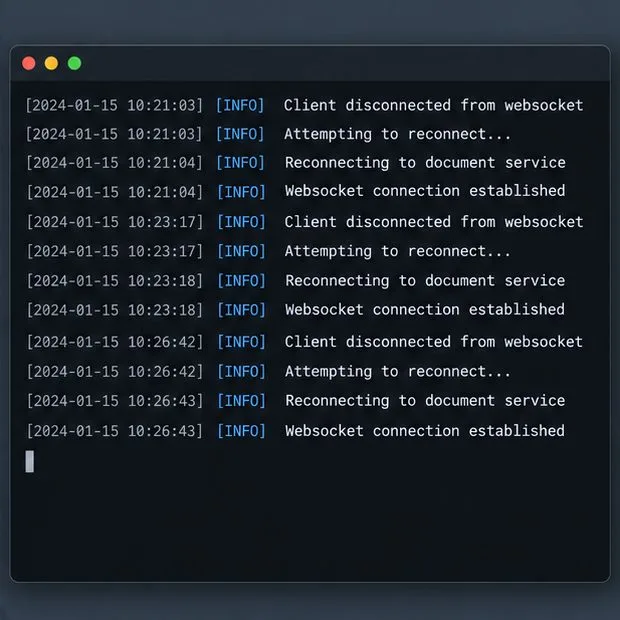
Trace slow collaborative editing to Docker resource pressure, proxy connections, or document load, then choose the fix that matches your measurements.
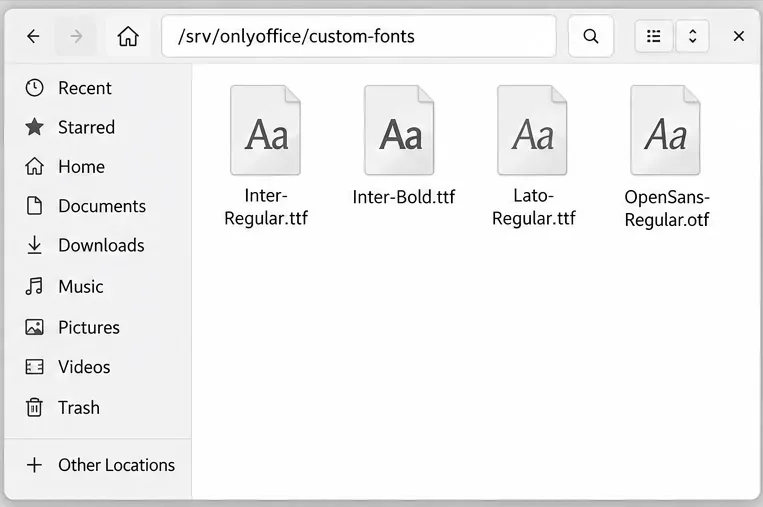
Install custom fonts in ONLYOFFICE Document Server, compare persistent Docker mounts with direct copies, rebuild the font list, and verify the result.
Choose where TLS should terminate, mount a trusted certificate and private key safely, and verify HTTPS access to a Dockerized ONLYOFFICE Docs server.