

Deploy LIDER AHENK on Pardus and Enroll Your First Clients

Set up the Lider server, configure its installer safely, register Ahenk endpoints, and verify a pilot before expanding central management.
Microsoft is investing heavily in Copilot to take Windows 11 to the next level. It integrated Copilot into Bing and then added it to Windows 11 with the 23H2 update. But while Microsoft is positioning Copilot as an AI assistant that can make life more efficient, it hasn't quite lived up to those claims.
Despite being available on Windows, Copilot doesn't do anything spectacular beyond presenting web results in a summary format. But why doesn't it do more than that, and is that going to change soon?
Copilot has answers but they are not helpful
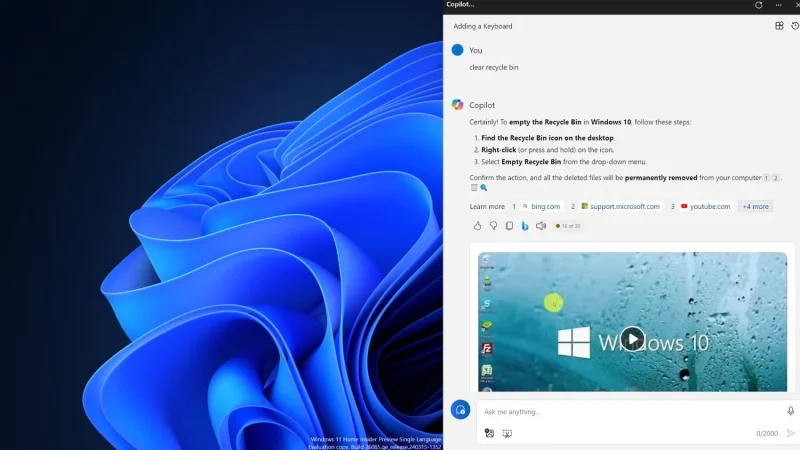
When you enter a query in Copilot, it fetches results from the web and summarizes them with references. Copilot also supports plugins that can generate more relevant responses. However, the results for Windows queries are not very helpful and are often generic. The answers to simple queries like “how to delete a file” are fine. But a simple web search will return similar results faster.
Copilot can perform common tasks like changing some settings on a Windows 11 PC. For example, you can ask Copilot to change the theme. It also supports voice commands, eliminating the need to type queries.

But Copilot’s current level of intelligence is not commendable. It often fails to perform tasks like changing system settings, which are not much of a task to begin with. In my experience, if I don’t follow the exact syntax of a command, Copilot won’t execute it and will instead return a web response.
OS-level AI should have more capabilities
Microsoft says you can use Copilot to troubleshoot, but Windows 11 has a Get Help app. The troubleshooter does some preliminary checks to fix problems with your device. But it's not an effective way to fix every problem that comes up on Windows.
If you ask Copilot about a problem like “Microsoft Store not downloading apps,” it will give you a list of possible methods to try, from other sources of course. It doesn’t specify the exact process that might help you.
Copilot doesn't take independent action to perform troubleshooting steps. Another minor annoyance is that Copilot will always reconfirm whether you want to perform a particular action, causing an operation to take longer and require more user input than necessary.
It may be too early to label it OS-level AI, as Copilot’s current capabilities are limited to performing a few actions and quoting sources from the web. It’s just a web app implementation and not deeply integrated with system apps. However, Microsoft is planning for the next wave of AI PCs to have a Neural Processing Unit (NPU) to perform all AI tasks on Windows 11 PCs.
What needs to be improved in the future?
To harness the true power of AI on Windows 11, Copilot needs to innovate further. The onboard NPU can handle tasks faster without overloading the CPU.
Using this component, upcoming features like Windows Studio Effects could work natively. There are plans to integrate AI assistants into Notepad, File Explorer, and Paint. Microsoft seems interested in introducing more AI features, which could also turn Copilot into a powerful troubleshooting tool. If done right, it could automatically identify and fix minor issues with Windows 11 PCs, and send detailed reports to the Feedback center for complex issues.
The upcoming AI PCs mention NPUs as a requirement, which raises the debate about current and legacy Windows PCs. Can they use the full power of system-level AI? In any case, it's a question Microsoft will have to address. Waiting for hardware to catch up may not be the only plan, as Copilot, in its current form, is still incomplete.
Set up the Lider server, configure its installer safely, register Ahenk endpoints, and verify a pilot before expanding central management.
Download the official Pardus 23 desktop ISO, write it safely with Rufus, and boot a Windows PC into a temporary Live session.
Find out why Pardus 23 cannot detect your sound card, then use targeted ALSA, firmware, and PipeWire or PulseAudio checks to restore playback.
Save HamoniKR preferences to external storage, include hidden home folders, and choose a safe restore mode when moving to a fresh installation.
Install and configure xrdp on Pardus, choose the right Xfce session, restrict network access, and verify that remote login works.
Diagnose Pardus 23 APT connection failures, confirm the official yirmiuc sources, and restore apt update without bypassing package signature checks.
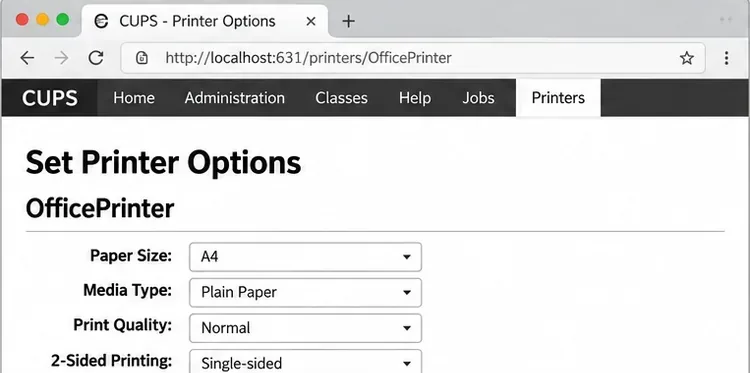
Configure printers on Harmonica OS using CUPS, compare driverless IPP with legacy drivers, and verify USB or network printing with a test page.
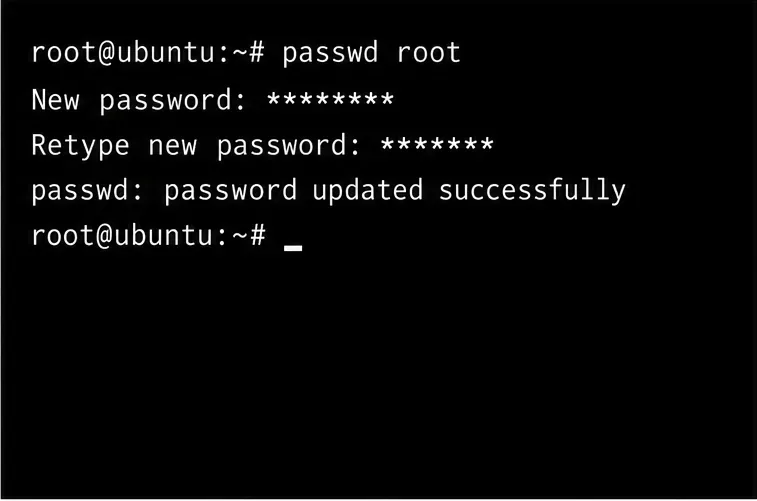
Use a recovery shell to set a new Harmonica OS root password, with checks for encrypted disks, read-only filesystems, and accounts that use sudo.
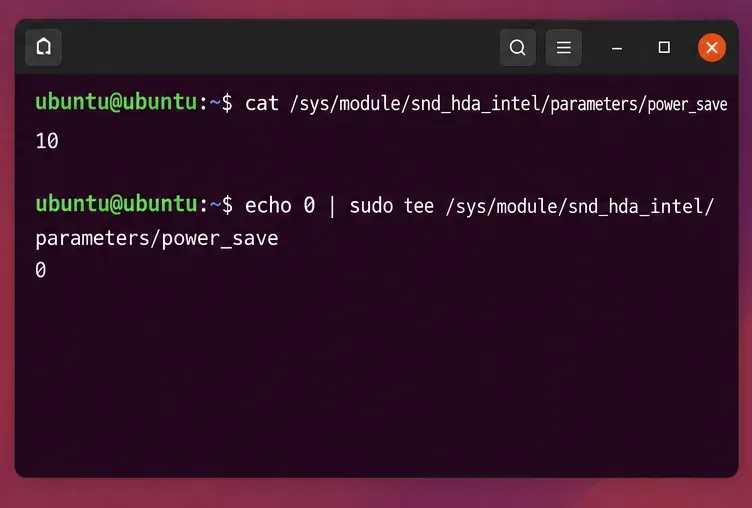
Trace whether clipping, ALSA format conversion, or HDA power saving is causing Ubuntu 24.04 audio distortion, then apply the matching reversible fix.
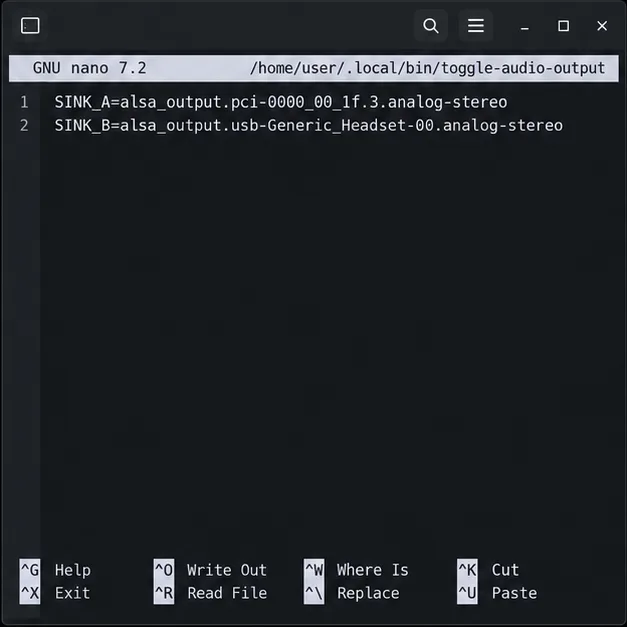
Switch Debian audio between named PipeWire outputs with a pactl script that updates the default sink and reroutes streams already playing.