Pop Culture Costume Ideas That Will Dominate Halloween 2026

Plan a recognizable Halloween 2026 look with pop culture costumes inspired by Spider-Man, Supergirl, Toy Story 5, Moana, Mario, and Wednesday.
Camera settings, lighting, scene modes, and composition all play a role in how your photos look. Here are some photography and editing tips to help you get the best shot! Let's explore with Quantrimang!
Focus and exposure
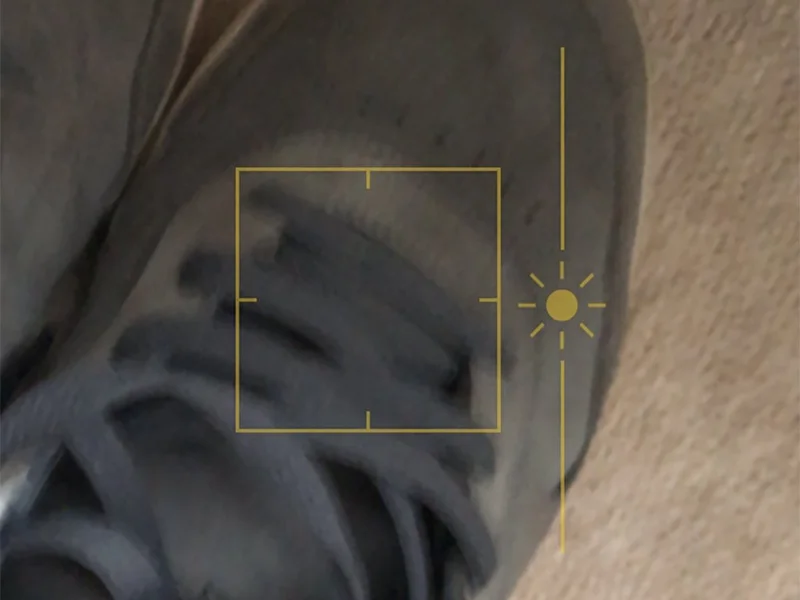
Most smartphones these days let you manually focus and adjust exposure. Manual focus is simple, just tap the screen once on the spot you want to focus on. If you set up facial recognition, it will automatically detect faces, focus on your portrait, and blur the background.
For exposure in the iPhone camera app, you can tap once to focus, then hold and drag to adjust exposure. On Android, you do the same thing.
Use HDR mode
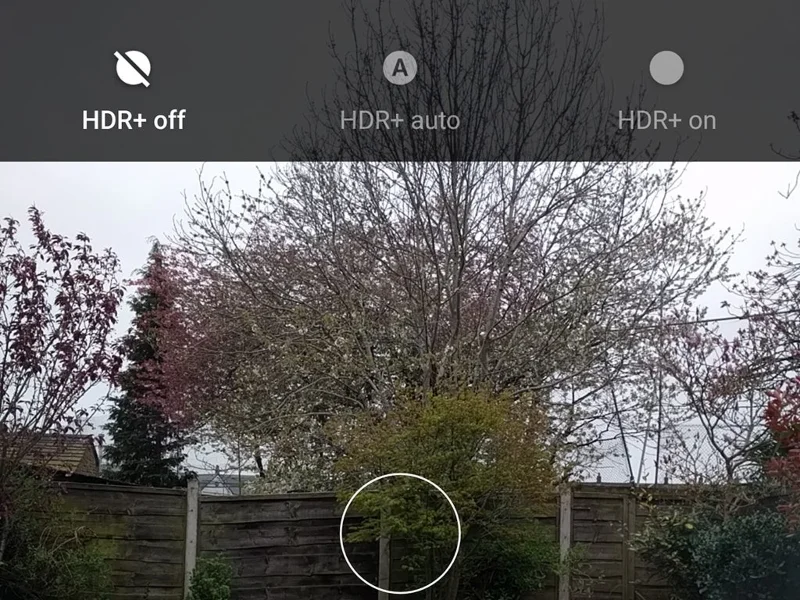
HDR (High Dynamic Range) is now a staple feature of smartphone cameras. Simply put, HDR helps reveal details in the darkest and brightest parts of a photo, and creates better overall color balance.
HDR mode is suitable for landscape and portrait photos, especially when there is a wide gap between the darkest and brightest parts.
The downside of HDR mode is that the photo processing takes a bit longer even when your smartphone is running at full capacity.
Since the snapshot takes a few extra milliseconds, you should avoid applying HDR to photos with fast-moving subjects or when you can't keep your phone steady.
You can manually enable/disable HDR mode. For some smartphones, this mode is automatically enabled when the camera deems it necessary.
Take advantage of natural light
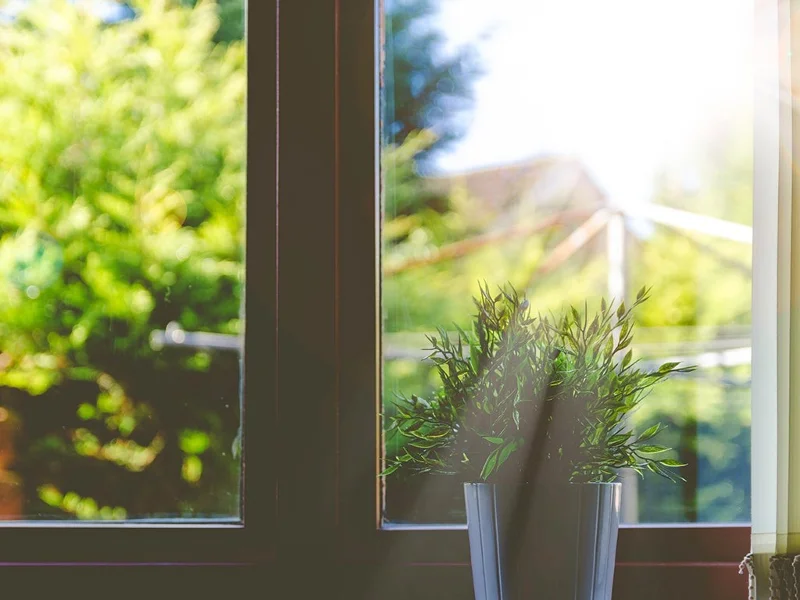
Lighting is one of the most important elements of any photograph. If you can take advantage of natural light, you don’t need to use your camera’s built-in flash (which can give you less than ideal results, especially at long distances).
So, place your subject in a well-lit area. Of course, this isn't always possible, but use as much natural light as possible.
Artificial lighting can also work, but you need to be more precise. For example, if you are shooting a night scene, you need to move your subject closer to the artificial light instead of placing it deep in the shadows. If you are shooting people, make sure that the subject's face gets enough light. Using a flash can help in this case.
If you have time, try comparing the photo with flash and without flash to see the difference!
Keep the phone steady and avoid shaking
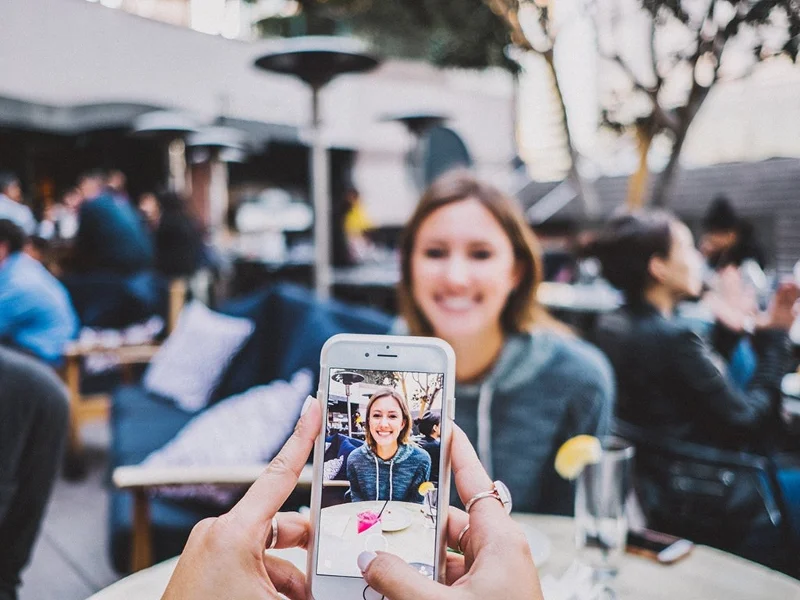
While professional DSLR cameras can handle shake better while taking photos, smartphones cannot. Therefore, it is important to minimize shake as much as possible. You can buy a tripod/put your phone against a wall, arm, shoulder, etc. to help stabilize the phone and reduce shake.
Keeping the shot steady is especially important in low light conditions, when longer exposure times are required.
Apply the rule of thirds
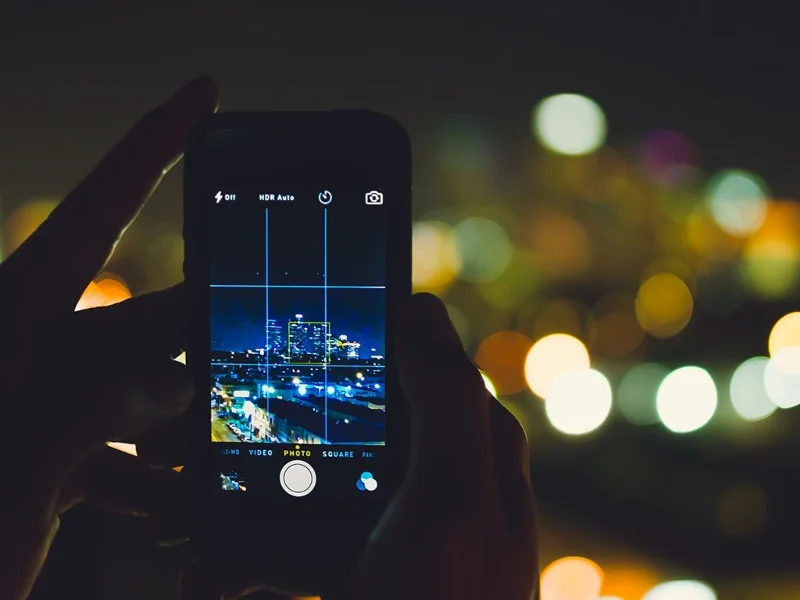
This is a photography trick that has been around for years, but you can still apply it to your smartphone. The rule of thirds involves dividing a photo into nine equal sections, forming a grid of three columns and three rows. You should try to place the most interesting parts of the photo near the corners of the grid, where the columns and rows intersect.
To improve your composition, try applying the rule of thirds. Whether you're taking photos of friends at a bar or landscapes, you'll find it simple and effective. It's even easier when you don't have to draw imaginary dividing lines.
On Android/iPhone phones, the grid lines option is located in the camera settings.
Continuous shooting

You should take as many photos as possible. If possible, you should take photos continuously to capture the best moment.
Most phones have a burst mode. On both iOS and Android, you can take a burst of photos by holding down the shutter button. Third-party camera apps often have a burst mode as well, giving you a series of different photos to choose from.
Photo editing
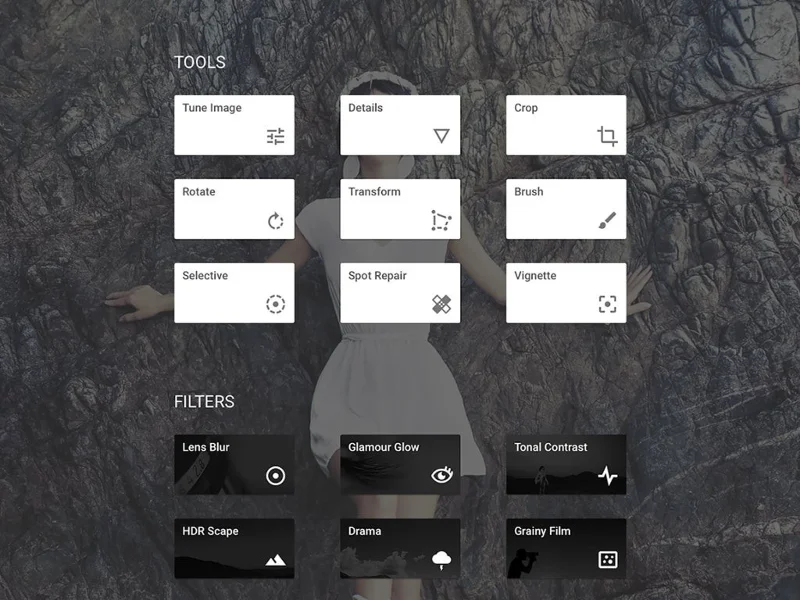
Before sharing photos, you should edit them , not only directly on the camera but also on other photo editing applications.
In addition to the apps provided by the App Store or CH Play, you can use Snapseed , Adobe Photoshop Express , and VSCO. Adobe apps even incorporate AI into photo editing.
Some photo editing apps have access to your photo album, others have their own built-in camera.
Install a third-party camera app
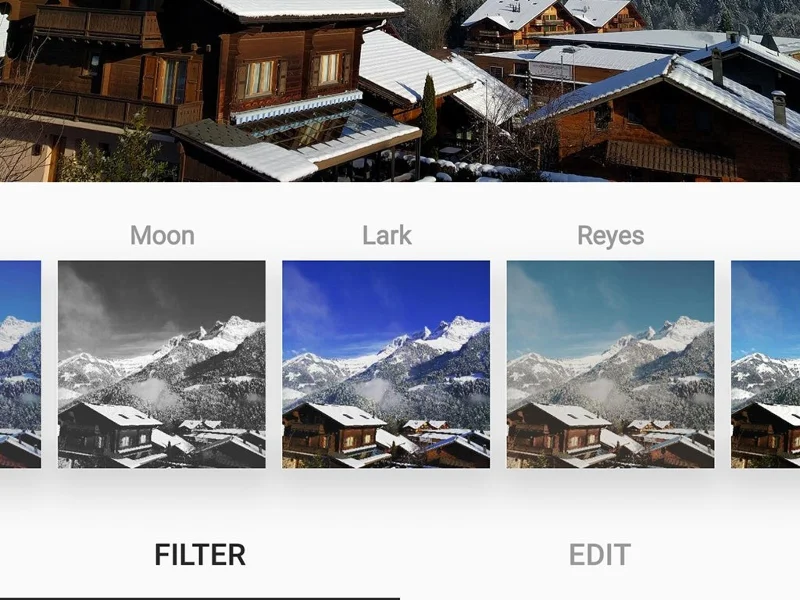
If you've never tried anything other than the camera app on your smartphone, you'll be amazed at what third-party camera apps can offer. They give you access to additional settings, different features, and filter packs to make your photos look their best.
For example, Manual on iOS lets you control shutter speed, ISO helps you with white balance, and so on. Afterlight on iOS and Android gives you access to a similar set of professional tools, along with an impressive array of filters.
Speaking of filters, Instagram for iOS and Android is more than just a social network. It can also turn your poor quality photos into works of art. The app includes a wide range of editing and tweaking tools alongside the filters that have attracted millions of users, making it one of the best photography apps.
Explore default camera
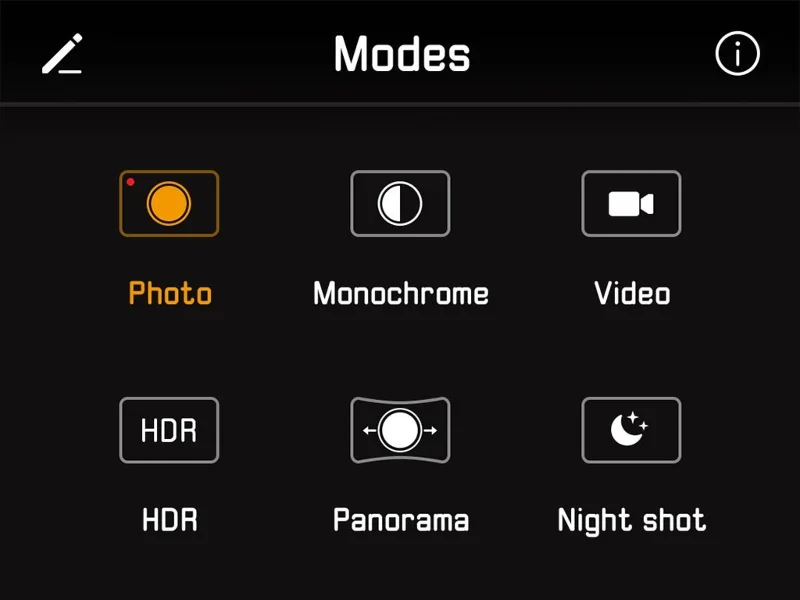
Even though there are plenty of third-party camera apps to choose from, it’s worth exploring everything your phone’s default camera has to offer. If you’re on iOS, the camera has a bunch of filters you can choose from (tap the icon in the top right corner to see them).
On Android, the camera app will vary depending on the manufacturer. Android phones have a good light filter, available through the thermometer icon.
The default camera apps from Samsung, LG, Sony, Huawei are packed with cool editing tools and options. For example, on Samsung smartphones, you can tap the Mode button to bring up the Pro mode with filters and color, contrast, and other adjustments to tweak even before you take a shot. So, open your app and explore!
Plan a recognizable Halloween 2026 look with pop culture costumes inspired by Spider-Man, Supergirl, Toy Story 5, Moana, Mario, and Wednesday.
Sort leftover Halloween candy safely, share or repurpose sealed treats, and choose food use or compost for pumpkins based on their condition.
Compare workplace Halloween costume choices by respect, dress code, mobility, and safety—and learn when a subtle accessory or a policy check is the better option.
Find a couples costume that fits your style, budget, and comfort level, from Addams Family classics to original inside-joke duos.
Need a last-minute high school Halloween costume? Compare 10 easy closet-based ideas by prep time, comfort, school-day practicality, and simple safety checks.
Use a simple 2026 Halloween decorating timeline for indoor décor, outdoor displays, and fresh pumpkins, with practical adjustments for weather and events.
Mix five vivid, approachable Halloween cocktails with measured recipes, simple prep tips, and an alcohol-free option for your party guests.
Find 15 office-friendly Halloween costume ideas for 2026, with practical checks for dress codes, respectful themes, comfort, and workplace safety.
Plan a fun elementary school Halloween party with easy crafts, games, inclusive treats, costume tips, and a sample 75-minute classroom schedule.
Compare realistic side hustles for 2026 by startup cost, fees, flexibility, and income control, with current tax and scam guidance from official sources.