How to Update Google Chrome Browser

Learn how to update Google Chrome browser on Windows, Mac, and Android in minutes to enjoy better security, speed, and new features. Follow these clear steps.
Android and iOS have become more and more similar in terms of customization options over the years. However, whenever you switch from an Android device to an iPhone, there are still some features that you'll find missing. Here are some of the highlights.
1. Circle to Search
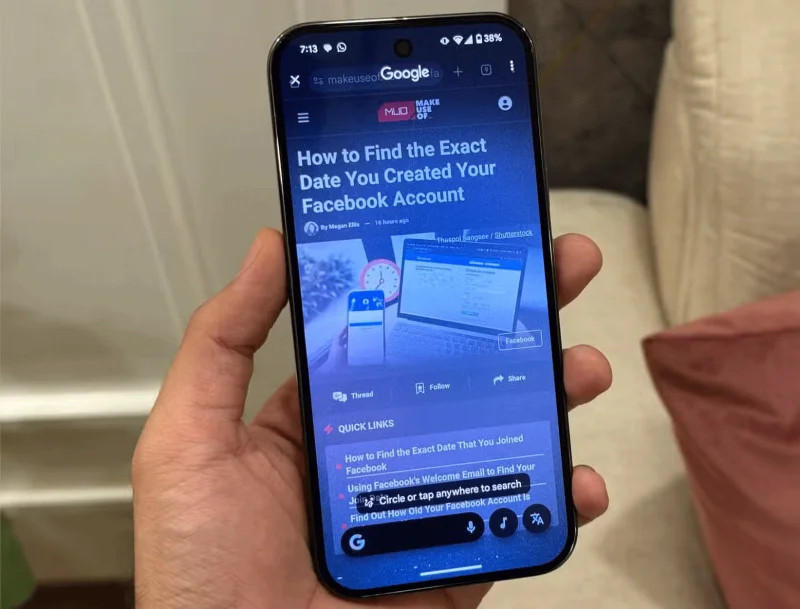
One of the best features Google has added to flagship Android phones over the past year is Circle to Search. People can't count how many times they've relied on it while testing flagship Android phones like the Google Pixel 9 Pro or Samsung Galaxy S24 Ultra this year.
For those who don’t know, Circle to Search lets you search for anything on your screen simply by drawing a border around the subject. For example, if you’re scrolling through social media and spot a bag you like, you can draw a circle around it to see related results with purchase links. This feature is also useful for identifying objects like plants or books that you don’t recognize.
The ability to search for anything on your screen without leaving the app is incredibly convenient, and it’s a feature that Apple’s iPhones still lack. While you can replicate this by taking a screenshot and using Google Lens in the Google app, there’s no built-in Apple feature that offers a similar experience.
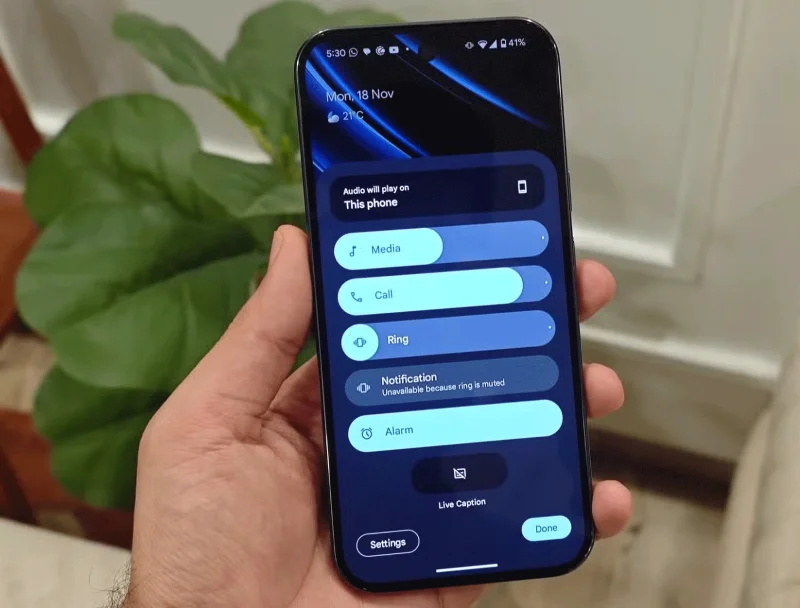
2. Detailed volume control panel
One beloved feature on Android is the volume controls. On iPhones, pressing the volume buttons only controls media volume by default—or the ringer volume, but only if that feature is enabled in Settings.
Android, however, offers a much more extensive volume control panel. You can adjust everything from alarm volume to call and notification volume, all from the same interface. Hopefully Apple brings this feature to iOS in the future, as it's incredibly useful.
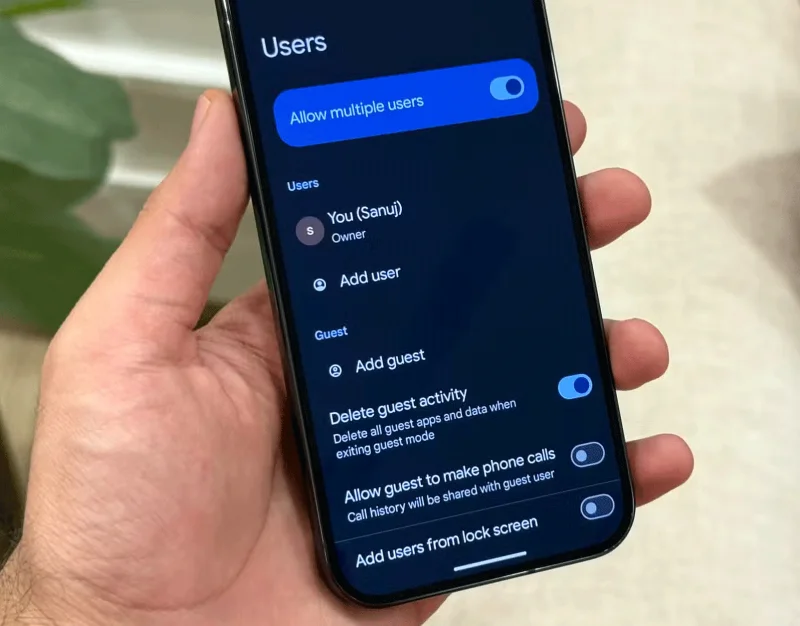
3. Guest and multiple user profiles
Another standout feature on Android is the ability to create guest profiles and multiple users, something the iPhone still lacks. While the iPhone prioritizes privacy, there are times when you need to share your device with friends or family members. Android makes this easier by allowing you to switch to a guest profile or create your own user account. This keeps your personal data, apps, and settings private while still allowing others to use your phone.
This feature is especially useful for home or work environments where a single device may need to serve multiple users. With separate profiles, each user gets their own personalized space, complete with apps, wallpapers, and settings.
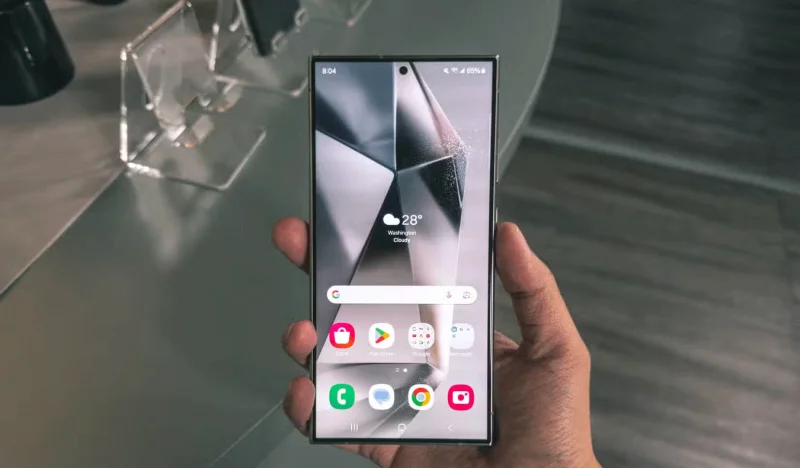
4. Ability to change launcher
Android is synonymous with customization. Don't like the default launcher on your Samsung smartphone? You can download hundreds of launchers from the Google Play Store to completely change the look of your home screen, from layout and icons to animations and gestures.
Unlike Android, iOS doesn’t allow you to replace the default launcher or change the overall look and feel, leaving users limited to Apple’s design language. While Apple has added more customization options to iOS in recent releases, this is still one area where the company has struggled to keep up.
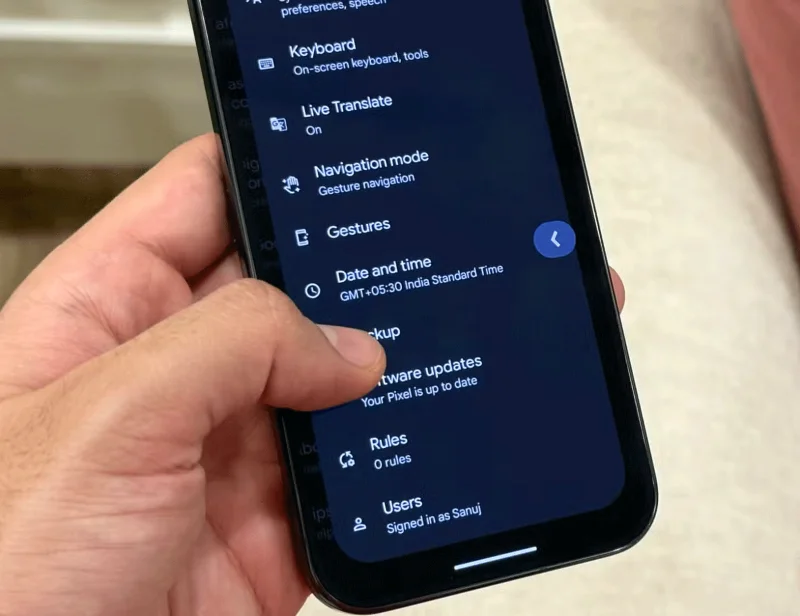
5. Convenient gestures
Another feature that Android does better than the iPhone is gestures. Swiping down on the home screen on most Android devices will open the notification tray, which is incredibly useful, especially on larger phones.
iPhones, even on larger devices like the iPhone 16 Pro Max , don’t have such a feature. Instead, swiping down opens the search bar. While useful, this feature forces you to reach up to the top of the screen to check notifications. While Apple does offer a one-handed mode, it’s a two-step process that seems less intuitive.
Similarly, Android offers an easy-to-use back gesture — which lets users swipe from any edge of the screen — making it simple and consistent. On the iPhone, the back gesture can be confusing because it works differently depending on the app.
Ultimately, Android remains the choice for those who want a device that works their way. Whether it's the usefulness of gestures or the versatile volume controls, Android continues to outperform the iPhone in some key areas, even as Apple continues to improve iOS.
Learn how to update Google Chrome browser on Windows, Mac, and Android in minutes to enjoy better security, speed, and new features. Follow these clear steps.
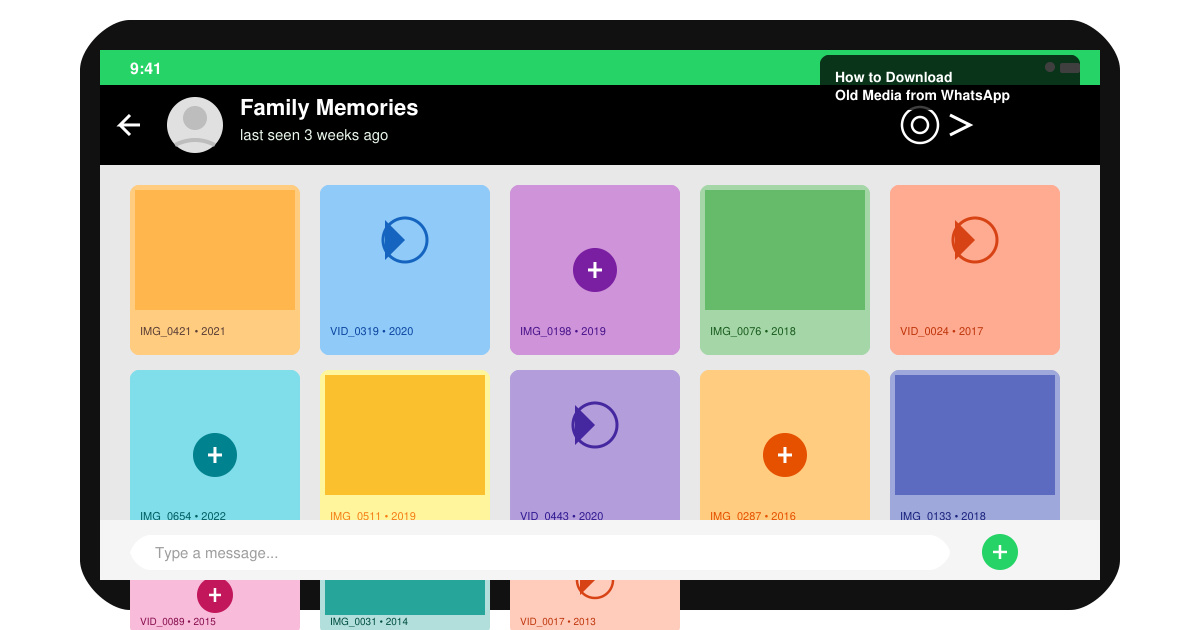
Learn how to download old media from WhatsApp and recover photos or videos from past chats. Follow these clear steps to save files that no longer appear in your gallery.
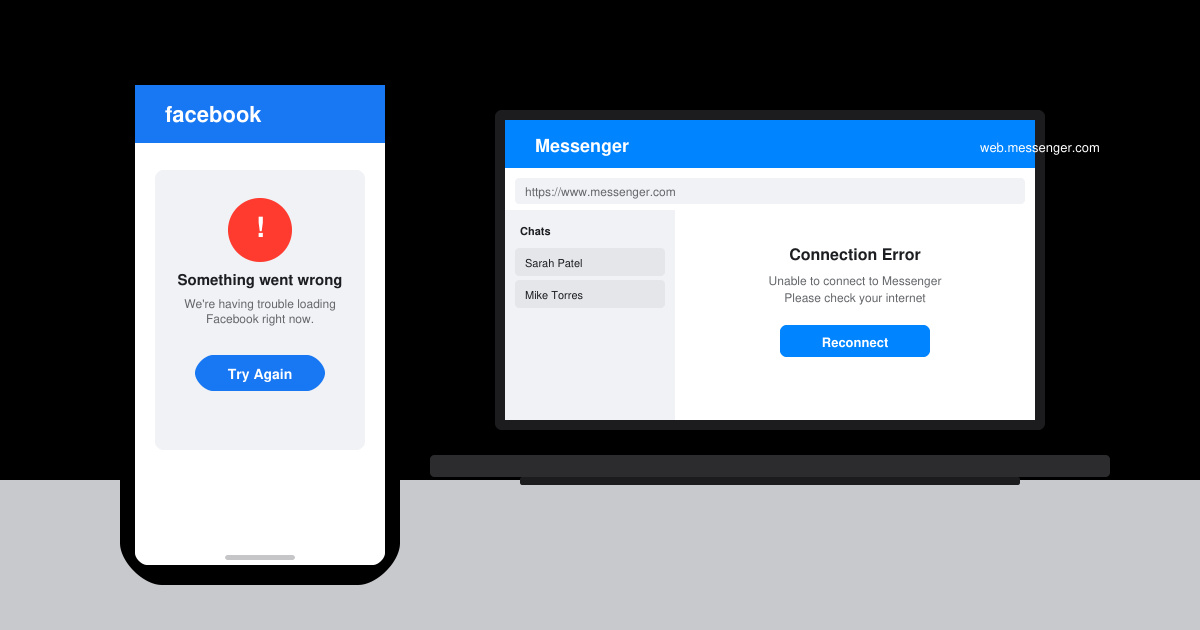
Facebook Messenger Isn T Working on your device? Use these exact troubleshooting steps to restore chats, calls, and notifications fast on Android, iOS, or desktop.
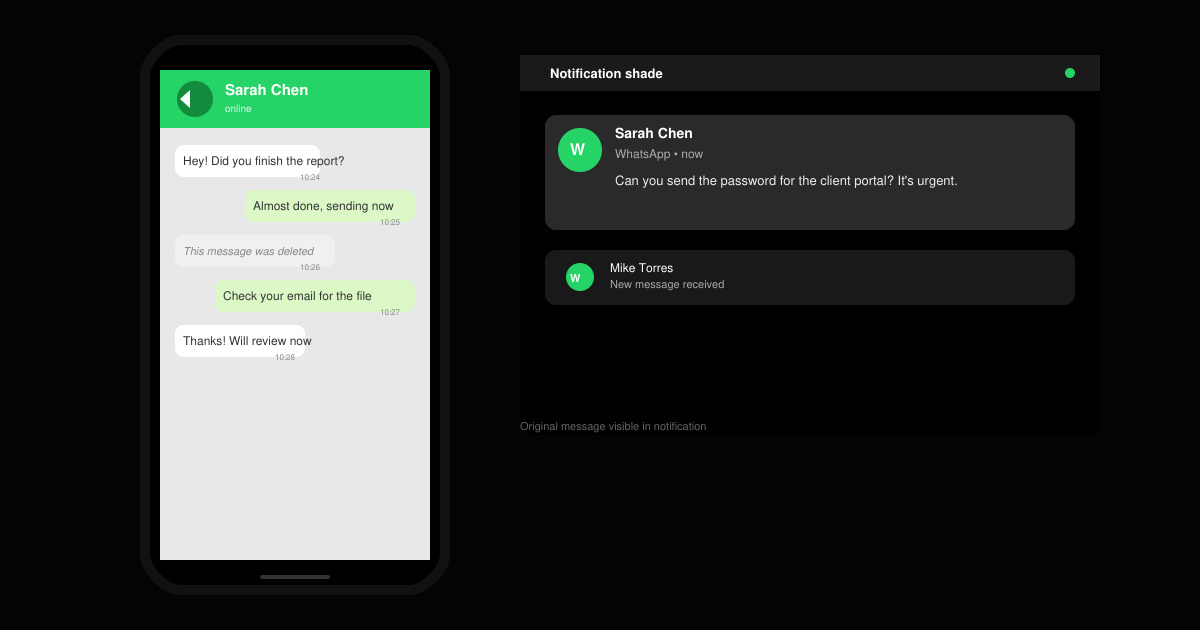
How to See Deleted WhatsApp Messages using your phone's built-in tools. Follow these exact steps to recover messages that contacts have deleted from chats.
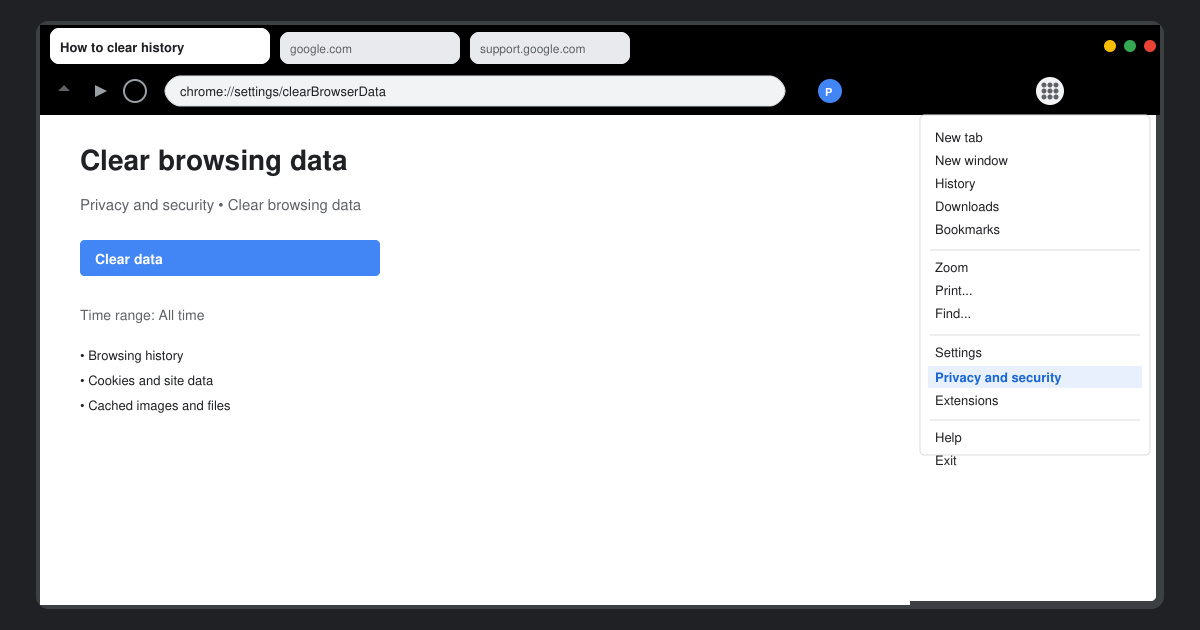
Learn how to clear browser history in Chrome on desktop and Android with this exact step-by-step process. Keep your browsing private and free up storage space quickly.
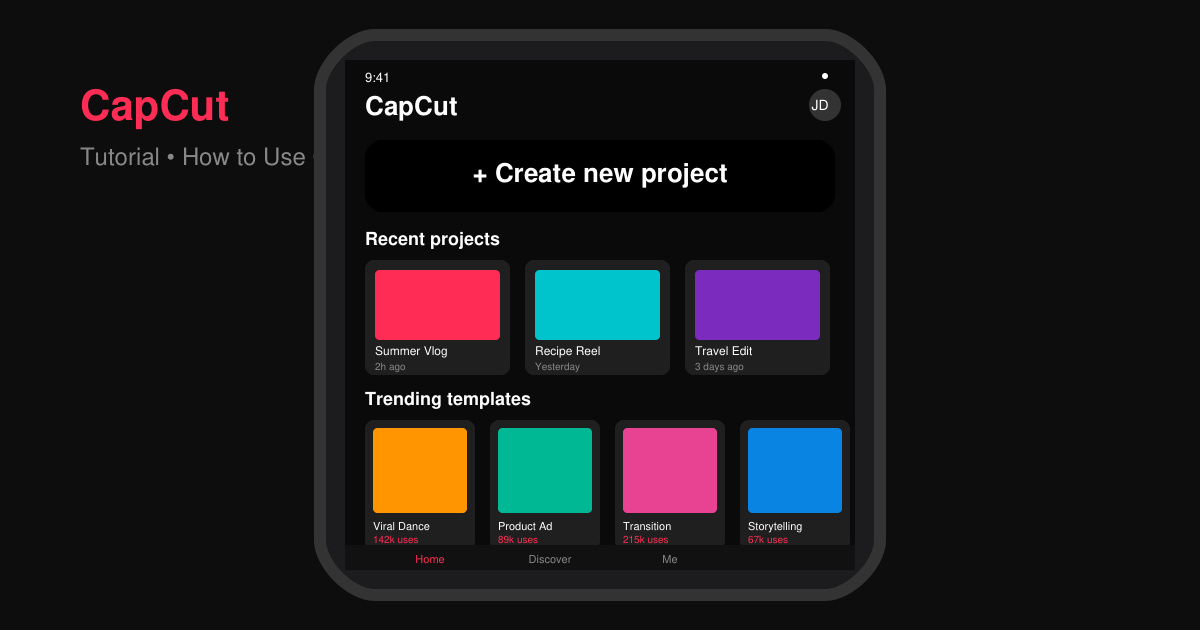
Master how to use CapCut with this practical walkthrough covering project setup, editing tools, effects, and export options for high-quality video results.
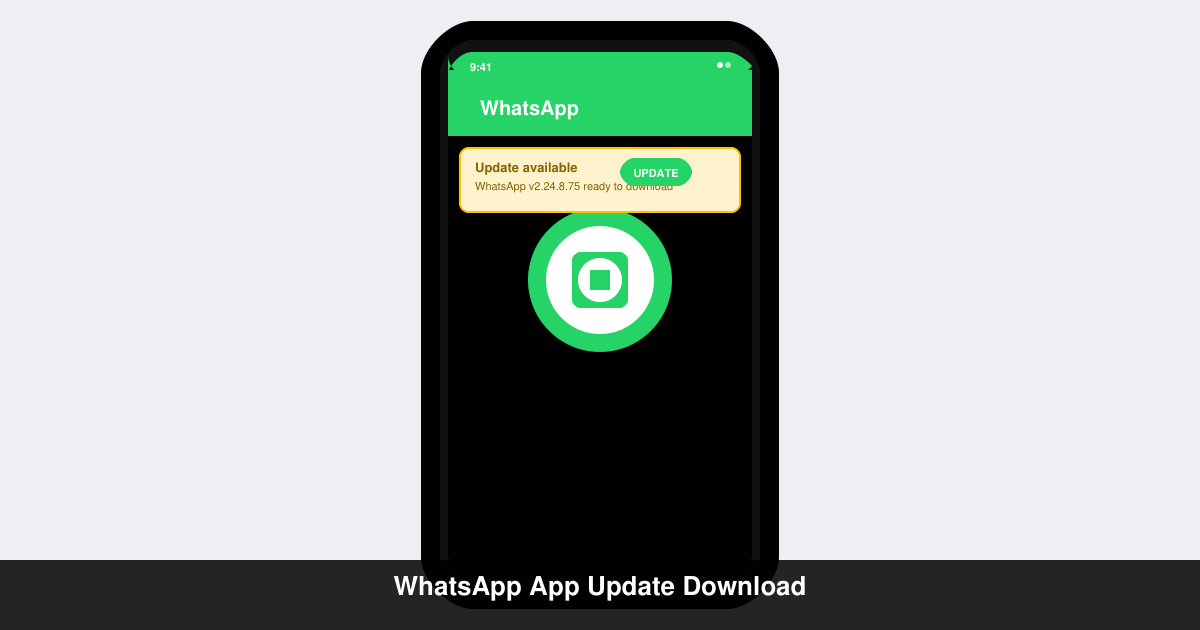
Get the latest WhatsApp App Update Download from official sources to access new features and security improvements. Follow these clear steps for Android and iOS devices.
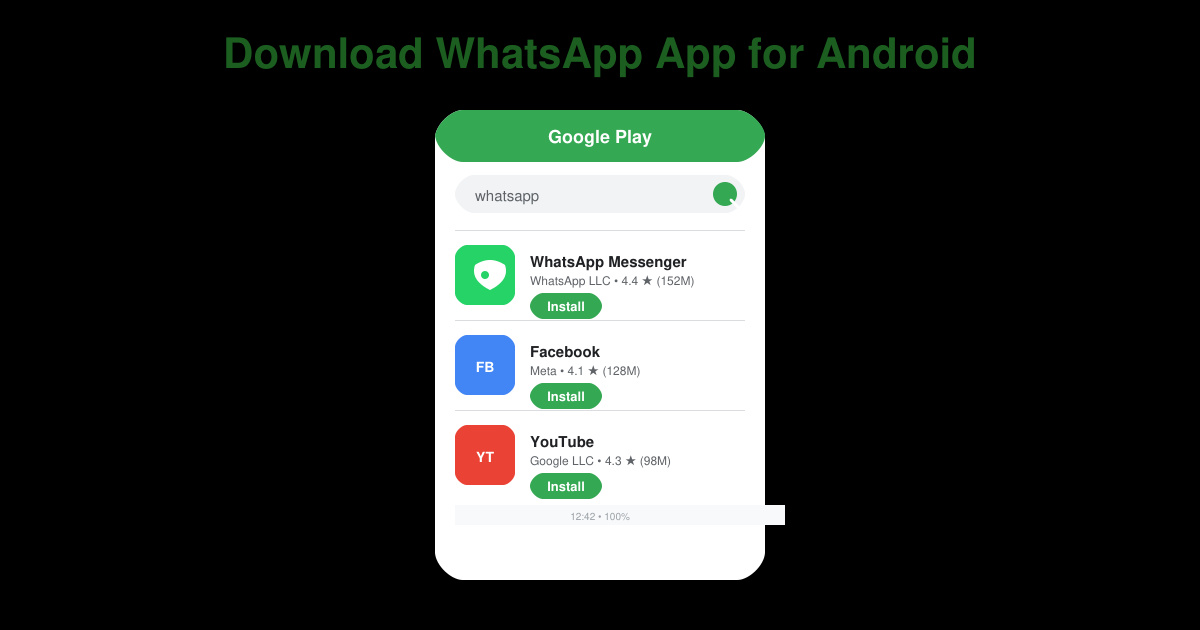
Learn how to safely Download WhatsApp App for Android from the official Google Play Store. Follow our clear step-by-step instructions to install the latest version quickly and securely.
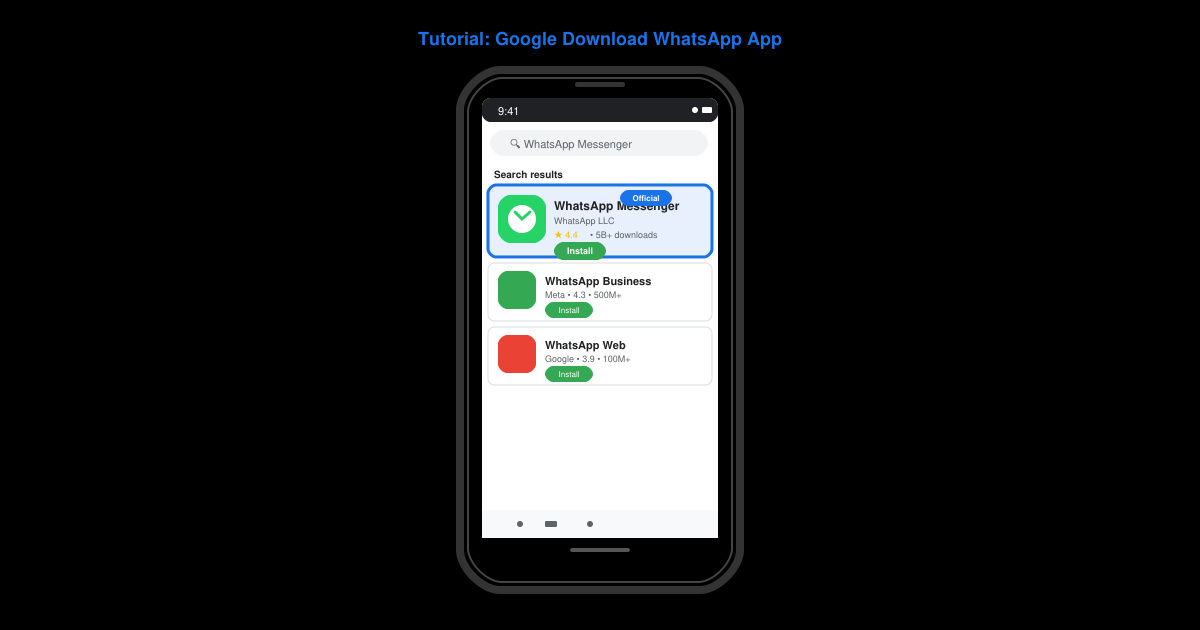
Google Download WhatsApp App safely through the Google Play Store with this clear guide. Get the official version on your Android device quickly and avoid fake downloads.
Facebook and Messenger not working can disrupt your day. Follow these targeted fixes to restore access quickly on mobile and desktop.