Desk Decorating Ideas for a Spooky Office Cubicle
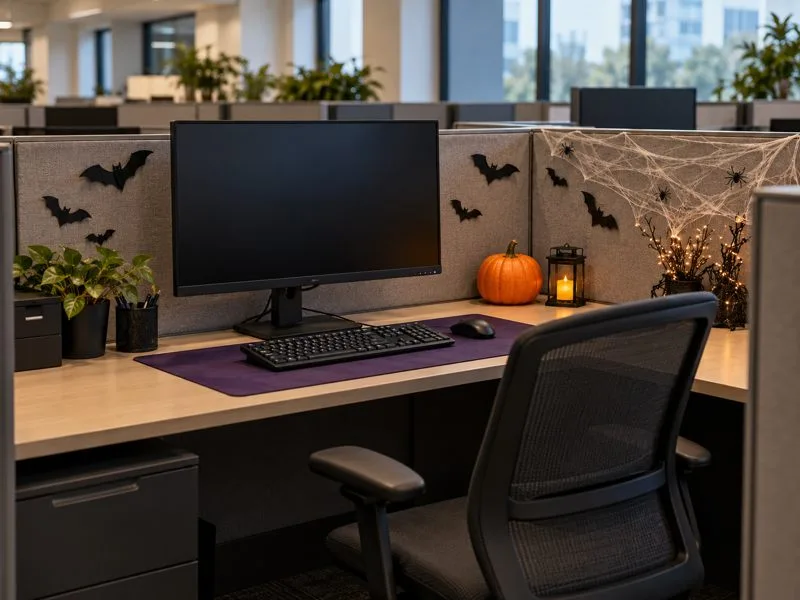
Create a spooky office cubicle with Halloween desk decor ideas that keep your workspace usable, tidy, and mindful of workplace safety.
You may recall a time when malware would create pop-up windows, delete data, or even crash your PC. However, modern malware is much more stealthy and tries to have as little impact on the victim’s PC as possible.
But why is new malware being developed to hide from users, and what does that say about the current cybercrime world?
Why is modern malware more stealthy than old malware?
While old malware was often focused on destroying data, this changed when cybercriminals learned that they could monetize their creations. Why cause damage when you can use your skills to earn extra income?
To maximize the amount of money malware can make from its owners, it is often designed to be hidden from users. The longer the malware stays on a PC, the more money its creators make.
That’s not to say that all malware designed to make money is designed to be stealthy. When a malware strain is designed to instill fear in users, it will often make itself very visible. Examples include ransomware and fake virus scans that make it very clear that it wants you to pay. However, most of the time, they will try to stay undetected for as long as possible.
Cryptojacking malware wants to stay secret because that’s how it makes money for the developer. It sits on your PC and uses its resources to mine cryptocurrency, which is sent to the malware developer. The more unchecked Cryptojacking malware is, the more money it makes.
Botnet malware remains hidden because that’s how its owners send commands to your PC. Left unchecked, a PC “recruited” into a botnet could send spam emails or launch DDoS attacks on services. As long as the malware remains on your PC, it remains part of a larger botnet.
Stealing sensitive information
Some types of malware collect information from you. These include keyloggers that sit dormant on your computer and relay your keystrokes to cybercriminals, or banking Trojans designed to steal login credentials for sensitive services. Everything from your credit card information to your account logins is transmitted back, and as long as that information isn’t deleted, it can collect as much as it wants.
How does modern malware evade detection?
It may seem strange that malware goes undetected, as antivirus programs have never been better. However, cybercriminals use a number of tricks to get past your defenses.
Using Fileless Malware
Fileless Malware can bypass antivirus programs because it doesn't place any files on your computer. Instead, it all runs in your computer's memory (RAM), where antivirus programs don't look. From there, it can stage further attacks without being detected.
Fileless Malware can be difficult to detect and remove, so the best way to prevent infection is to be extremely careful around common malware sources.
Impersonating a legitimate application
Cybercriminals sometimes create apps that appear legitimate. They either copy a real app or find a popular service that doesn’t have one and create a fake one. For example, a malicious Google Play Store app stole $70,000 by pretending to be the official app for a cryptocurrency service.
To avoid falling into the trap of cybercriminals, check out how to spot fake Android apps so you can better protect yourself.
Find unsafe targets using Internet connection
Sometimes, cybercriminals don’t need to do anything fancy to spread malware. With the rise of smart homes and Internet of Things (IoT) devices, we’re seeing a wave of gadgets accessing the internet without properly securing their connections. Cybercriminals can then hijack these devices for their own purposes without being detected, such as with IoT botnets.
Always remember that connecting devices to the Internet is a two-way street. If you buy an Internet-connected gadget, make sure it's from a brand you trust. This is especially important for any device that could potentially compromise your privacy if it falls into the wrong hands, such as a smart home camera. And if the thought of hackers gaining access to your device makes you shudder, it's best to opt for an alternative that doesn't connect to the Internet, such as a gadget that runs on your local network.
Now that bad actors are using their skills to make money, much of the malware is much stealthier than it used to be. The best way to avoid having to deal with a stealthy virus is to make sure you don’t get infected in the first place, and with a little knowledge, you can protect yourself from these new strains.
Create a spooky office cubicle with Halloween desk decor ideas that keep your workspace usable, tidy, and mindful of workplace safety.
Plan a recognizable Halloween 2026 look with pop culture costumes inspired by Spider-Man, Supergirl, Toy Story 5, Moana, Mario, and Wednesday.
Sort leftover Halloween candy safely, share or repurpose sealed treats, and choose food use or compost for pumpkins based on their condition.
Compare workplace Halloween costume choices by respect, dress code, mobility, and safety—and learn when a subtle accessory or a policy check is the better option.
Find a couples costume that fits your style, budget, and comfort level, from Addams Family classics to original inside-joke duos.
Need a last-minute high school Halloween costume? Compare 10 easy closet-based ideas by prep time, comfort, school-day practicality, and simple safety checks.
Use a simple 2026 Halloween decorating timeline for indoor décor, outdoor displays, and fresh pumpkins, with practical adjustments for weather and events.
Mix five vivid, approachable Halloween cocktails with measured recipes, simple prep tips, and an alcohol-free option for your party guests.
Find 15 office-friendly Halloween costume ideas for 2026, with practical checks for dress codes, respectful themes, comfort, and workplace safety.
Plan a fun elementary school Halloween party with easy crafts, games, inclusive treats, costume tips, and a sample 75-minute classroom schedule.