Canva Power Point Template
Create professional slides fast with a Canva Power Point Template. Follow this guide to search, edit, and export directly to PowerPoint format in minutes.
When you're considering buying a new smart TV , you'll be faced with a variety of options at a variety of price points. Is it worth spending money on a high-end smart TV, or will a basic model meet your needs just as well?
What do you get for your money?

The most obvious difference between a premium and a basic smart TV is price. A basic mid-size smart TV typically costs around $100 to $500, while a premium model of the same size can cost anywhere from $1,000 to $100,000, depending on the brand and specific features. The price gap reflects differences in materials, build quality, performance, and advanced features. Let’s look at the most relevant features.
Image quality
There is a significant difference in picture quality between high-end and basic smart TVs. Most basic smart TVs use standard LED or LCD screens. While they provide pretty good picture quality for everyday use, they often lack the deep blacks and vibrant color reproduction of high-end models, which often have OLED or QLED screens .
Basic smart TVs can have limited viewing angles, meaning image quality will degrade if you’re watching from far away from either side. They also often struggle with HDR (High Dynamic Range) content, resulting in reduced contrast and brightness. Meanwhile, premium smart TVs often support premium HDR formats like Dolby Vision and HDR10+ , which makes a noticeable difference when watching HDR-compatible content on streaming platforms, for example.
Sound system
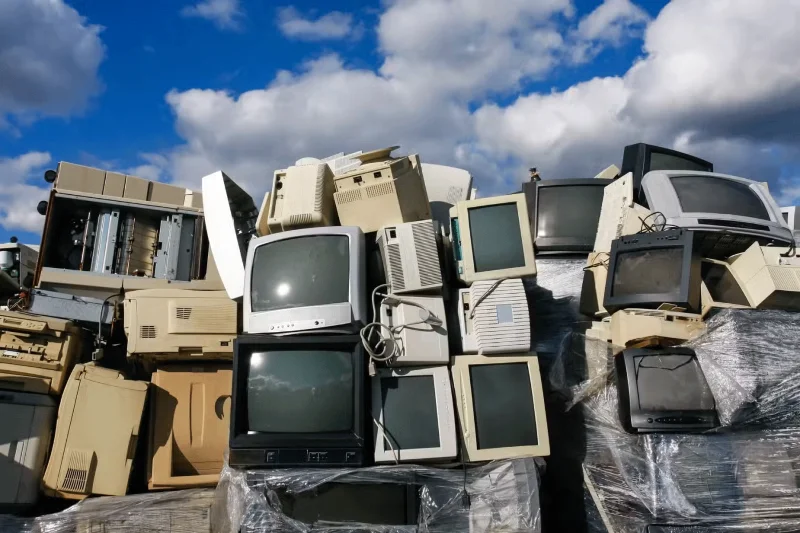
Sound quality is another area where high-end smart TVs set themselves apart from basic models. While modern TVs are a huge improvement over the ugly CRT boxes of yesteryear, their slimmer designs can sometimes take a toll on audio performance.
Cheaper smart TVs often have basic stereo speakers that produce flat or tinny sound. On the other hand, most high-end models offer powerful built-in speakers that deliver fuller, clearer, and more immersive sound. High-end smart TVs often come with advanced audio technologies like Dolby Atmos and DTS:X, which provide an immersive audio experience.
However, if you are an audiophile and want an immersive audio-visual experience, then it is worth buying a soundbar and woofer, as this will improve the sound by many levels. In this case, the built-in sound on the TV becomes less important.
Smart features and software
Smart TVs' Internet connectivity offers many benefits, including access to streaming services, apps, and other digital features. However, these features vary between budget and premium TVs. Low-end smart TVs often have simpler interfaces, and in some cases, the TV's operating system can be sluggish, especially when switching between apps or navigating menus. While you can sometimes speed up your smart TV, this is only possible with low-end models.
High-end models have more advanced operating systems that tend to be faster, more intuitive, and offer more customization options. You’re also more likely to get features like built-in voice assistants, smart home integration support, and automatic software updates. High-end smart TVs also often include features like screen mirroring, enhanced gaming modes, and better compatibility with other devices.
Refresh rate
Screen refresh rate may not be the first factor most people consider when buying a TV. However, if you plan on using your TV for gaming, refresh rate and input lag are important factors to consider.
Most basic smart TVs have a refresh rate of 60Hz, which is fine for watching movies and TV shows. But with some modern console video games now supporting 120FPS gaming, the standard 60Hz refresh rate won’t provide the best performance for fast-paced titles. Additionally, basic models often have higher input lag, which can lead to slower response times when gaming.
High-end models often offer higher refresh rates, such as 120Hz or even 240Hz, with lower input lag. Importantly, high-end TVs often include HDMI 2.1 for most or all of their HDMI ports. HDMI 2.1 is essential for gaming if you have a PlayStation 5 or Xbox Series X, as it supports 4K resolution at 120FPS. Not all games run at 120FPS, but it’s a big difference you’ll appreciate.
How soon will your TV become obsolete?
For those of us who don’t have a car parked in the garage, the TV is often the most expensive piece of electronics we own, so in addition to the features listed above, it’s important to consider long-term value when deciding how much to spend on a smart TV.
High-end models are often more future-proof, offering longer-lasting performance and features that will remain relevant for years to come.
On the other hand, cheaper TVs often struggle with software updates over time and may even stop receiving updates before you’re ready to upgrade. So in the long run, opting for a more efficient TV can be more cost-effective, avoiding the need to replace your device early.
It's impressive how far TVs have come in recent years. Even a cheap smart TV offers exceptional value when you consider the improved viewing experience, the convenience of on-demand TV, and their slimmer, sleeker designs.
Create professional slides fast with a Canva Power Point Template. Follow this guide to search, edit, and export directly to PowerPoint format in minutes.
Skype Free Phone Calls let you connect with friends and family worldwide at no cost. Follow this guide to set up and start making free calls quickly and easily.
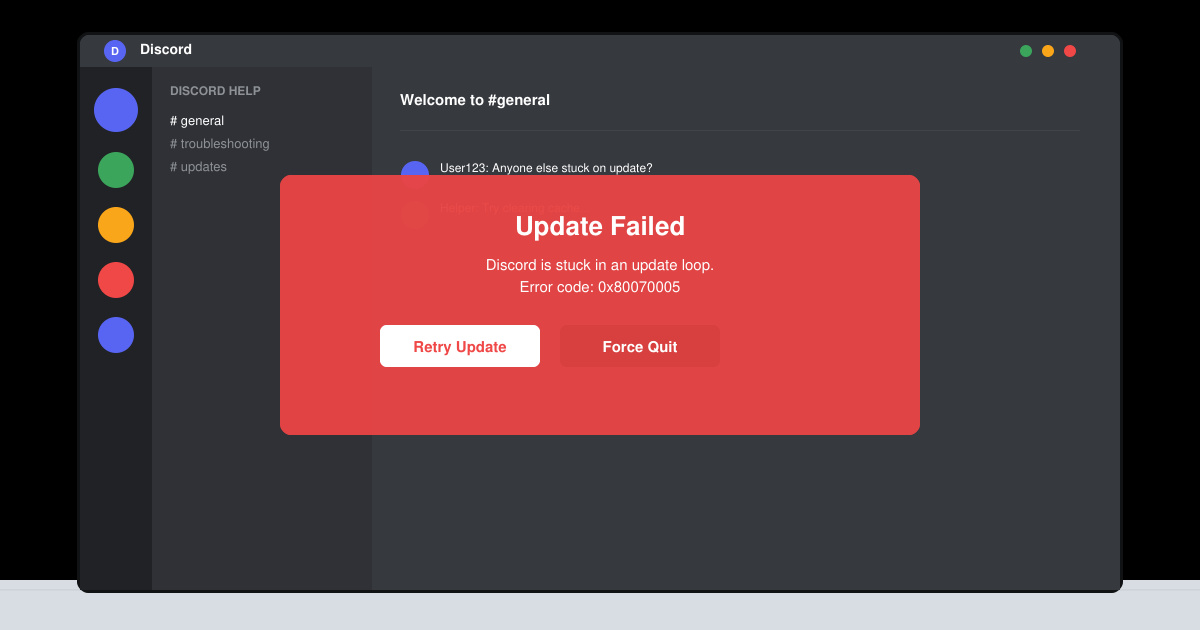
Stuck in the Discord Update Failed Loop? Follow these targeted fixes to break the cycle and complete the update without repeated failures or reinstalls.
Travel planning used to mean folders full of printed confirmations, handwritten notes, guidebooks, and a slightly terrifying number of browser tabs. Now, pretty much everything you need for a trip can live on the device already in your pocket.
Discover how Canva Free for Teachers gives educators full access to premium design tools at no cost. Verify your status and start creating classroom materials in minutes.
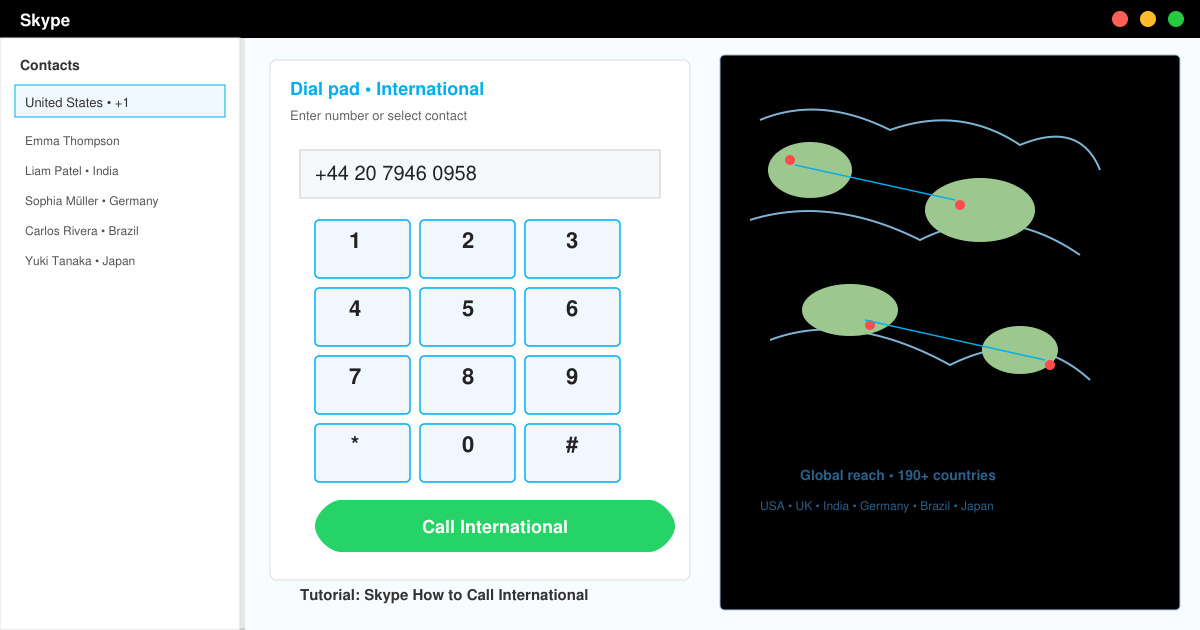
Skype How to Call International is simple and cost-effective once you set up credit and use the right country codes. Follow this guide to place clear calls from anywhere.
Make Skype to Skype Calls Free in minutes with this clear guide. Set up your account, add contacts, and start unlimited voice and video calls at no cost.
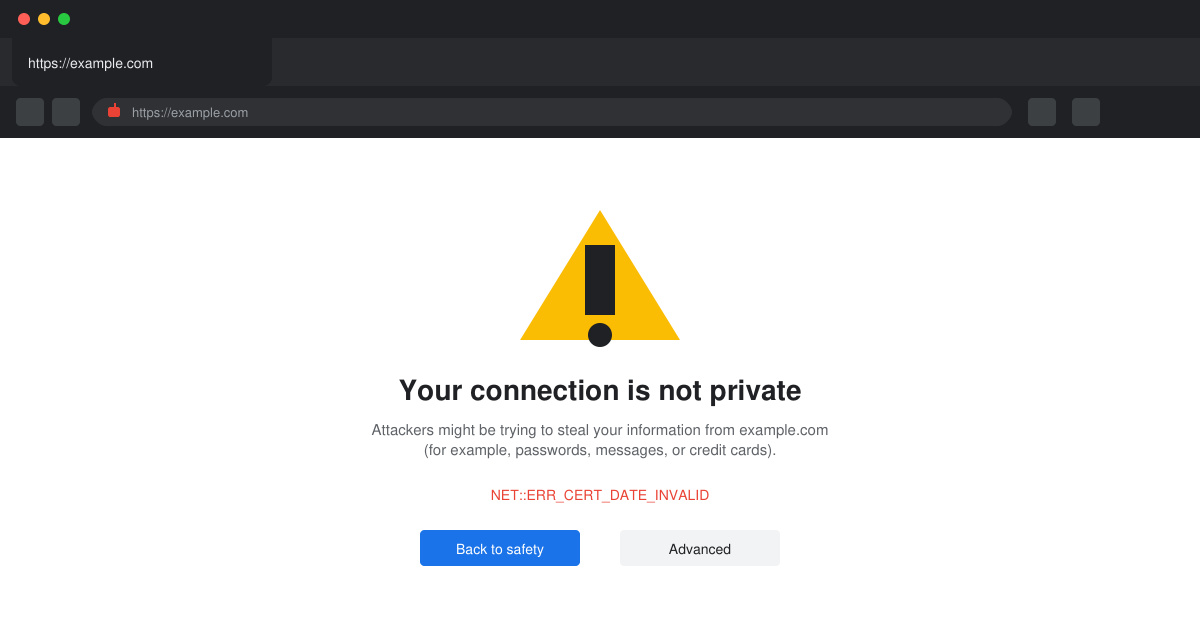
Fix the Your Connection is Not Private Chrome error quickly with these exact steps. Restore secure browsing by addressing certificate and settings issues in minutes.
Record heat has lifted air-conditioning demand while gas-market shocks have returned volatility to power prices. That creates a real risk of painful bills—but not a guaranteed, Europe-wide price explosion.
Large format printing has long faced criticism for its environmental impact. Traditional substrates, solvent-based inks, and short-lived promotional campaigns have all contributed to the perception that eye-catching graphics come at a high environmental cost.